

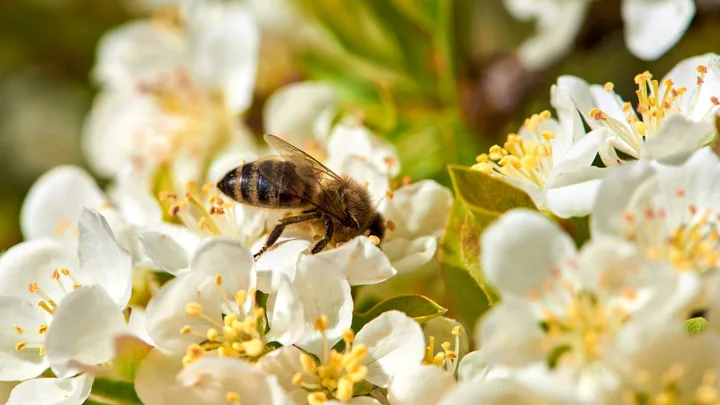
Pollinators like bees, butterflies and birds might be small, but their impact on our gardens is enormous. They’re responsible for fertilising a vast majority of our flowering plants, including many of the fruits and vegetables we rely on every day. Yet globally and here in Aotearoa, pollinator populations are declining due to habitat loss, pesticide use, and climate change.
This is where your garden comes in. By choosing pollinator-friendly plants, you can create a miniature ecosystem that provides vital food and shelter for these hard-working creatures. Even a few well-placed blooms in a pot or planter can make a meaningful difference. And the best part? A pollinator-friendly garden doesn’t just support the environment. It results in healthier, more productive fruit trees and vegetable plants at home.
Whether you’re a beginner gardener or a seasoned green thumb, now’s the time to plant with purpose. Here’s everything you need to know to get started.
Why pollinator-friendly plants matter:
- They support biodiversity: pollinators help around 80% of flowering plants reproduce
- They boost garden productivity: more pollinators = more fruit and veggies
- They help native species thrive: NZ native plants and insects have evolved together
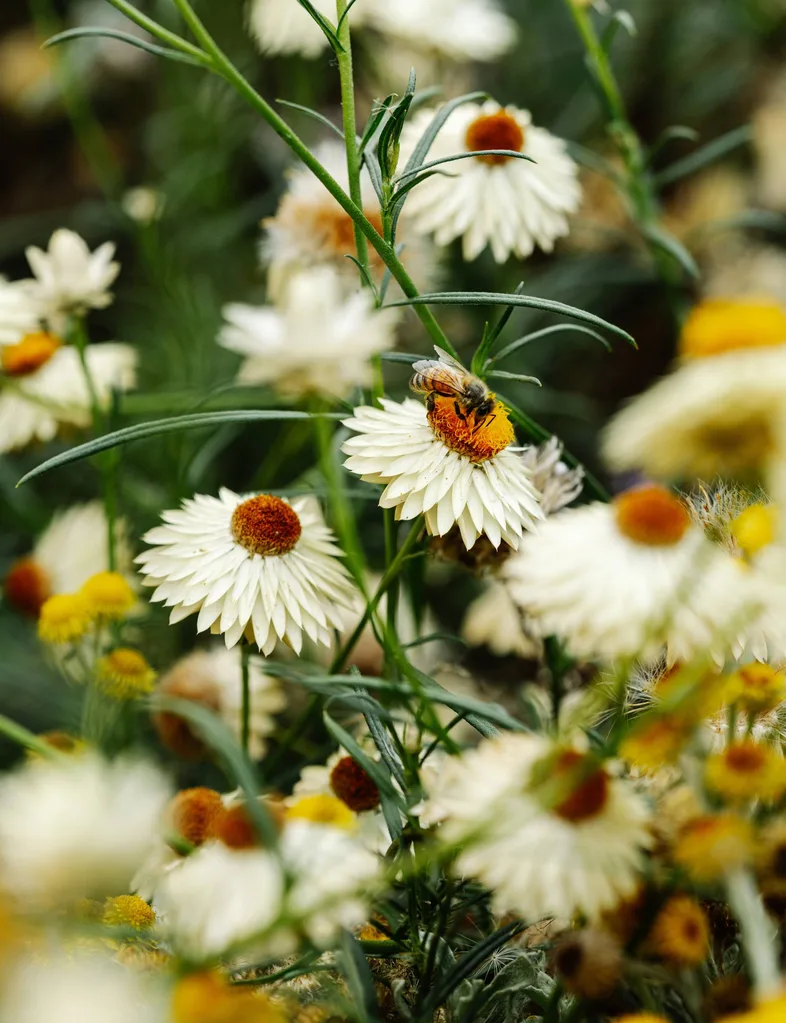
Native pollinator-friendly plants
- Harakeke flax: nectar for native birds and bees
- Kōwhai: spring nectar source, beloved by tūī
- Mānuka: medicinal and highly attractive to bees
- Pōhutukawa: a summer feast for pollinators
- Koromiko (Hebe): flowers for much of the year
- Rātā: attracts many birds and insects
- Kōtukutuku (Tree fuchsia): native bees and birds love it
- Five-finger: hosts beneficial insects
Perennial pollinator plants:
- Lavender: loved by bees, drought-tolerant and fragrant
- Echinacea (coneflower): attracts butterflies and bees
- Salvia: long-flowering, great for nectar
- Thyme: tiny flowers rich in nectar
Annual pollinator plants:
- Sunflowers: bees adore them, and birds enjoy the seeds
- Borage: blooms continuously with edible flowers
- Cosmos: colourful and rich in nectar
- Alyssum: ground cover that bees flock to
- Zinnias: bright, hardy and butterfly-friendly
- Calendula: edible and excellent for bees
- Sweet peas: attractive to bees, great in veggie gardens
- Nasturtiums: edible flowers, great for companion planting
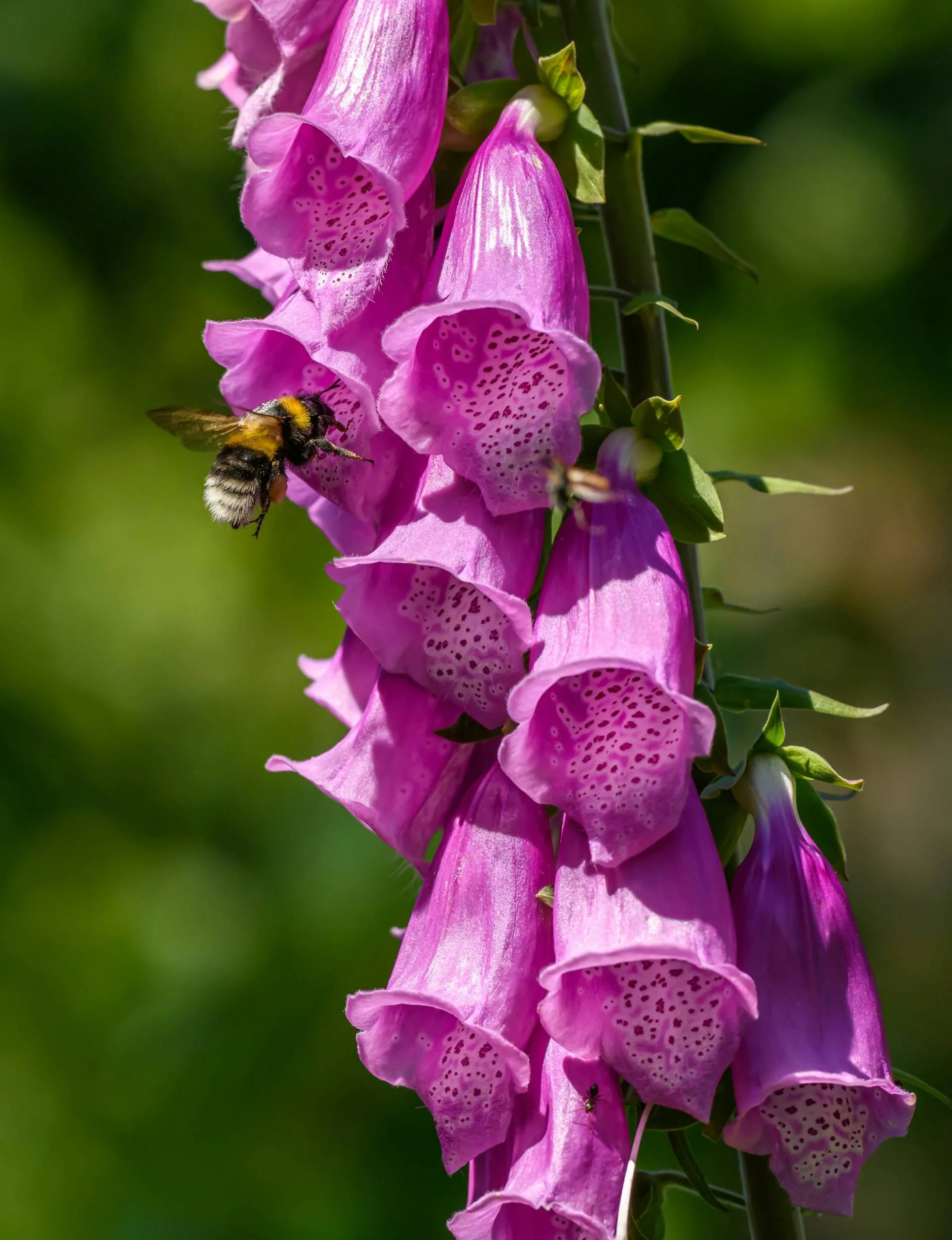
- Foxgloves: tubular flowers ideal for bees
Bee baths: A simple way to support busy pollinators
Pollinators like bees do more than just buzz from flower to flower. They work incredibly hard, often flying kilometres each day in search of nectar and pollen. All that effort requires fuel and hydration, especially during hot and dry weather. That’s where a bee bath comes in.
Why add a bee bath to your garden?
- Provides hydration during dry spells
- Supports pollinator health by providing a safe, chemical-free water supply
- Prevents drowning – bees can’t land on open water, so shallow water is essential
- Encourages pollinators to stay in your garden
- Attracts a variety of insects, including butterflies
How to make a bee bath:
- Choose a shallow dish no deeper than 2-3 cm
- Place it in a shaded or partly shaded area, ideally near your flowering plants and veggie garden
- Fill the bottom with pebbles or marbles
- Add fresh, clean water, just enough to touch the stones but not cover them. This gives the bees a safe place to land and drink.
- Refresh the water regularly, especially in summer, to prevent mosquitoes and bacteria from building up
Related articles:
- The budget-friendly benefits of chaos gardening
- The best fruit trees for a Kiwi backyard
- 9 gardening gifts for loved ones with a green thumb

Related stories

Native ad body.
Native ad body.



Native ad body.


The case for year-round outdoor living


Share this post