
Just because insulation, heating and storage isn’t obvious to prospective buyers doesn’t mean it’s not important. These three things are what makes a home cosy, dry and healthy to live in.
1. Heating sources
Don’t underestimate the source of your heating. Since power bills are a large chunk of your monthly spend, it is important to harness the heat in your home and keep everyone warm during the cooler months. The first question prospective buyers ask me is, “What type of insulation is in this home?”
2. Consider your homes age
Depending on the property’s age, the answer can vary. The good news for those with new homes is that these are built to the latest code, so they have insulation in the walls and ceilings (and underfloor if they are not directly on a concrete pad), double glazing and efficient heating systems.
3. For older homes
Older homes, especially villas and bungalows, can be insulated retrospectively. It pays to engage the experts to have this done as they have the correct equipment and best practices. Heating can come in different forms. Heat pumps are the most common and can be fitted to older homes quite easily; this option also provides air conditioning in the summer.
4. South-facing solutions
For bedrooms on the south side of the home, slimline panel heaters (sometimes colour-matched to your walls) are a good option to take the chill off in winter. If you have gas in the home, there’s also a great selection of gas heaters, which can be cost-effective.
5. Small spaces
A good tip for large linen cupboards, walk-in storage rooms or large wardrobe systems is to use low-voltage panel heaters – very small units designed to keep towels, sheets, blankets, duvets and clothes dry over the wet winter months.
6. Storage
When it comes to storage, you really can’t have too much. If you do have ample spare cupboards and shelves, be careful not to fill them up just because you can. Arrange your belongings in order of importance and usage. Christmas decorations obviously come out to play once a year, so make sure they are tucked away for the remaining 11 months. Ski gear, or heavy winter coats and blankets, can also remain a little higher up on the shelves.
7. How to store effectively
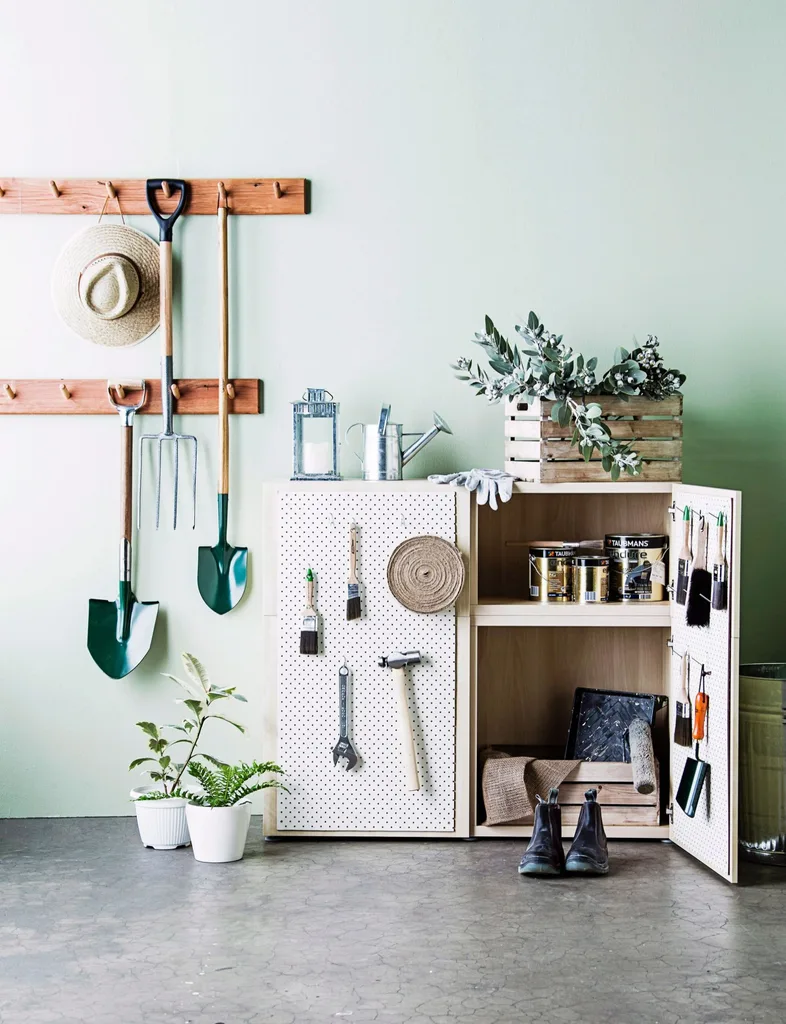
Garden products, such as sprays, fertilisers and slug bait, must be kept well away from little ones, but keep your everyday tools handy for the weekend bursts of energy in your vegetable patch or flower beds. Winter sports gear should rotate with summer sports and don’t forget to give those boots and gear bags a good clean before you pop them away. Nothing is worse than pulling out your gear bag only to find muddy socks and unwashed mouthguards to kick off the season for homeowners and potential homeowners alike. The golden rule is if you haven’t required a particular item for 12 months, whatever it is, pass it on to someone who does have a use for it.
Read next:
- Jayne Kiely’s tips on adding value to your bedroom & living spaces
- Jayne Kiely shares six kitchen upgrades that add value to your home
- Jayne Kiely’s expert laundry & garage design tips to add value to your home