


Garden trends come and go, and with the world becoming a little less predictable, gardeners have decided to bring the same energy to their space.
Forgoing the carefully planned approach to traditional gardening, with its neat rows, defined borders, and carefully selected plants, chaos gardening instead celebrates the wildness and spontaneity of nature. Gardenary, who has over 500,000 followers on TikTok, says chaos gardening is a more cost-effective way to garden, too, producing more edibles and flowers within a smaller amount of space, without the need for mulch.
What is chaos gardening?
Chaos gardening is a gardening philosophy that invites plants to grow freely and naturally, without excessive intention or order. This approach encourages self-seeding, mixing native and exotic plants, and allowing natural processes to shape the garden’s form.
The result is a dynamic, ever-changing landscape that supports biodiversity and native wildlife. It’s perfect for beginner or amateur gardeners who want to brighten up their outdoor space, but don’t know where to start.
What are the best plants for chaos gardening?
The best plants for a chaos garden are hardy, self-sowing, and adaptable species that flourish with minimal care. These include natives such as kowhai, hebes and harakeke as they attract birds and insects while thriving in local conditions. Wildflowers, including cornflowers, poppies, and native daisies, add bursts of colour and encourage pollinators.
Herbs such as thyme, oregano, and mint are great for ground cover and often spread naturally. Mixing in vegetables like kale or lettuce can also work, creating a lively, edible patch that fits the chaos gardening ethos. The key is choosing plants that work well together and can thrive without rigid maintenance.
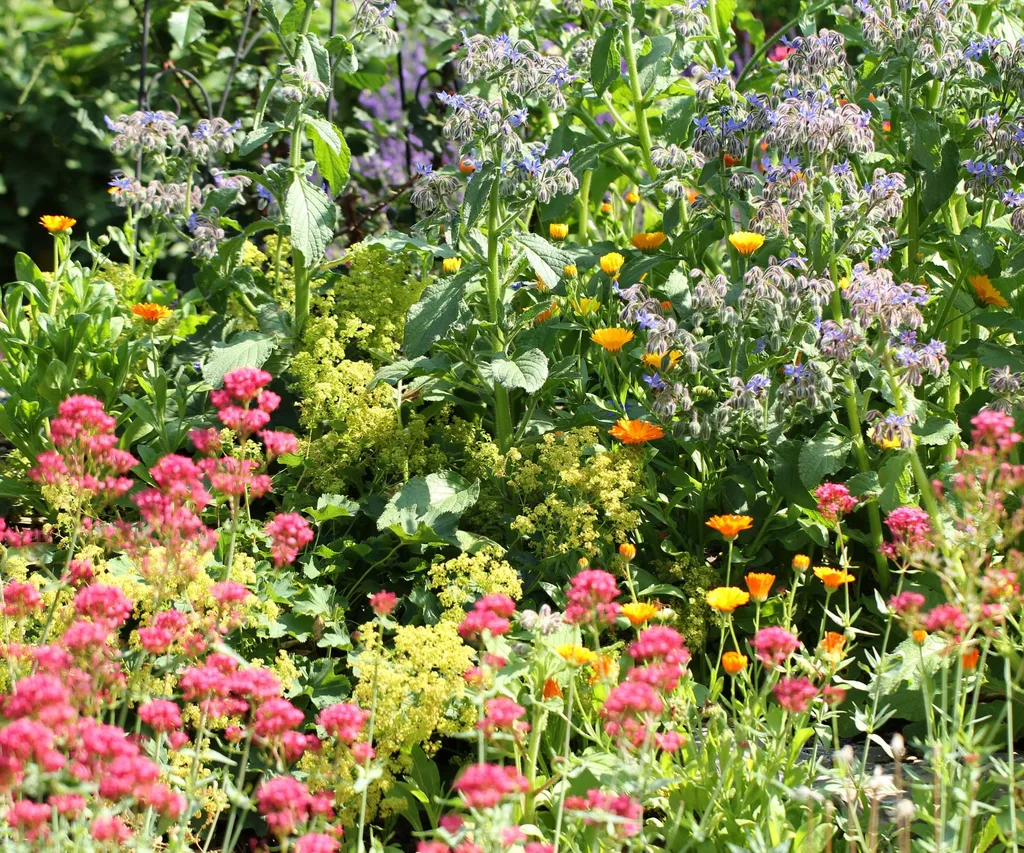
Tips for starting your chaos garden
Start small by designating a garden bed, a few pots, or a general area of your garden where you can let plants self-seed and spread naturally. Consider the amount of sun the area receives, as this will impact the kind of plants that’d thrive in the space. Spreading seeds directly onto your garden is true to chaos gardening, rather than planting known seedlings. Select seeds based on what you enjoy and what will succeed in the space. This could be a mix of wildflowers, bee-friendly flowers, or a bouquet blend. For best results, aim for a mix of perennials, shrubs, and ground covers to create layers and habitats for wildlife.
Once you have sown your seeds, avoid excessive weeding to allow the resilient species to establish themselves. Use mulch sparingly to encourage the natural regeneration, rather than suppressing new growth. Observe your garden’s natural rhythms and adapt your care accordingly, embracing surprises and changes rather than resisting them. Remember, chaos gardening is about enjoyment and connection with nature, so have fun experimenting and learning from your garden’s natural patterns.
Chaos garden examples to try:
Native wildflower mix
Rather than planting tidy flower beds, mimic nature by scattering native wildflower seeds, such as kowhai, pūriri, or harakeke, throughout your garden. Allow them to self-seed and fill gaps naturally, and over time, you’ll have a colourful, ever-changing tapestry that attracts native birds and pollinators.
Mixed edible and ornamental garden
Combine herbs like thyme, basil and oregano with leafy greens such as kale and chard. Let these plants intermingle without strict borders, creating a visually rich garden while encouraging visits from beneficial insects.
Succession planting with self-seeding plants
Scatter seeds like calendula, nasturtium and borage, which readily self-seed year after year. Volunteers will pop up in unexpected places, adding charm nd surprise. Plus, these plants are great companions to vegetable crops, so they will help in the garden without extra effort.
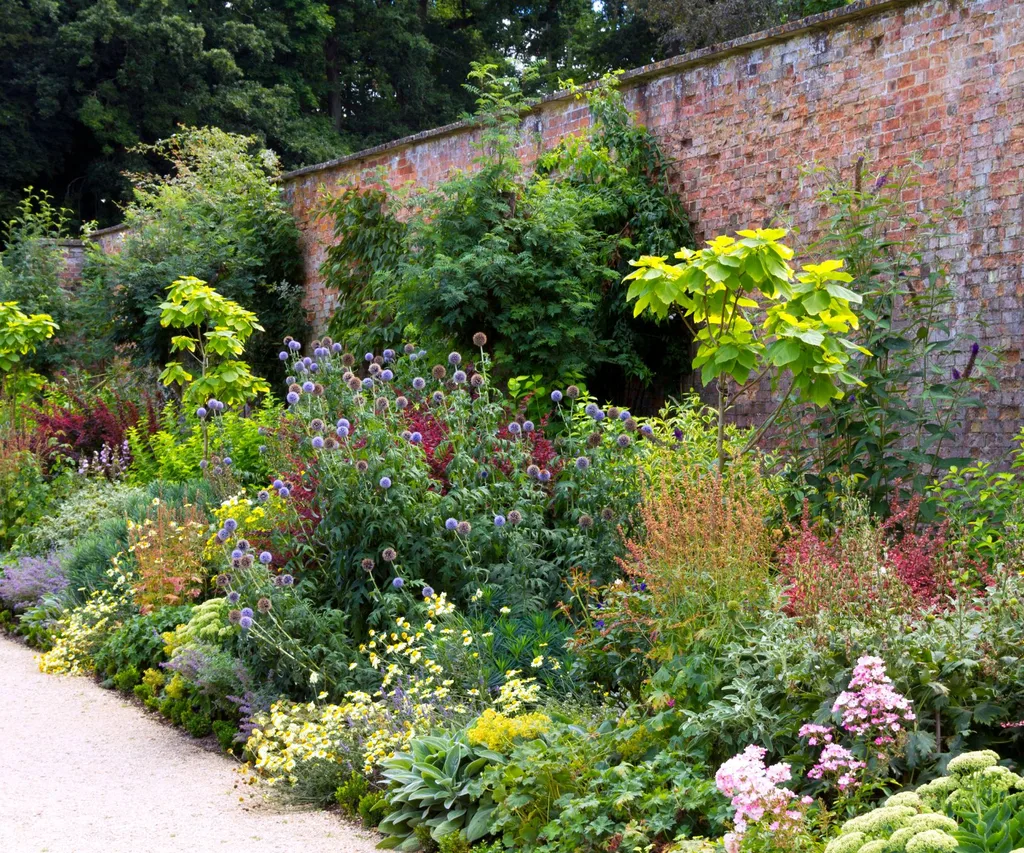
Overgrown paths and wild borders
Edge your paths with untamed grasses, flowering groundcover or trailing plants like creeping thyme. This creates a more immersive and casual feel to the garden, inviting exploration and creating wildlife corridors.
Naturalised lawns
Replace parts of your lawn with a mix of clover, herbs or low-lying wildflowers. These plants reduce mowing needs, improve soil health and support pollinators.
Potential challenges of chaos gardening:
Weed management: Because chaos gardening embraces spontaneous growth, distinguishing between desirable plants and invasive weeds can be tricky. Regular observation helps you manage invasive species before they dominate the space.
Initial appearance: Some may find the look of bare soil untidy or unkempt, compared to formal gardens. It’s important to practice patience and appreciate the changing look of a chaos garden, as well as the natural beauty and biodiversity.
Plant competition: Without careful selection, aggressive plants, such as mint, could crowd out slow-growers. Plan your seeds to balance vigorous species with those that need more space or time.
Maintenance balance: Although chaos gardening reduces heavy maintenance like pruning or moving, it still requires some care, such as monitoring plant health and managing self-seeding to prevent unwanted spread.
Pest and disease control: A diverse garden often supports a healthy ecosystem, but occasional pest outbreaks can occur. Encouraging beneficial insects and using organic controls helps maintain healthy plants.
Related articles:
- The best fruit trees for a Kiwi backyard
- 9 gardening gifts for loved ones with a green thumb
- 14 of the best climbing plants for every gardener

Related stories

Native ad body.

Native ad body.



Native ad body.




Share this post