

 Photo: Canva
Looking to transform your backyard into a thriving edible oasis? Growing fruit trees is one of the most rewarding and sustainable ways to enjoy fresh, homegrown produce throughout the year. Whether you’re working with a full-sized garden or a modest urban courtyard, fruit trees offer long-term rewards with relatively little upkeep. New Zealand’s temperate climate is ideal for growing a wide range of fruit, from Mediterranean favourites to subtropical varieties.
But not all fruit trees are created equal. The best choice for your garden depends on your region, garden space, and how much time you want to invest. To help you get started, we’ve put together a list of the top-performing fruit trees for Kiwi gardens, plus expert tips on planting, sun requirements, and how to keep your trees productive year after year.
Tip:
For better chances of pollination, plant bee-friendly flowers in your garden. These include borage, foxgloves, marigolds, lavender, geraniums, and so many more.
The best fruit trees for your backyard

Apple Trees
Apple trees are a classic choice for all gardens in Aotearoa. With countless varieties available, from sweet Royal Gala to tart Granny Smith, you’ll adore picking your afternoon snack directly from your own apple tree. Many apple trees require cross-pollination, so planting two compatible trees will ensure a better harvest.
When to plant: Winter, while the trees are dormant
Harvest in: Two to four years
Position: Full sun
Soil: Free-draining soil, rich in organic matter

Avocado Trees
Avocados can be fussy to grow, but incredibly rewarding, especially when you’re making guacamole from scratch using the fruit you’ve harvested from your garden. Plant your tree in a warm, sheltered spot with well-draining soil. Young trees are sensitive to frost, so use cloth or plant in a protected area.
RELATED: How to grow an avocado from seed
When to plant: Spring
Harvest in: Two to four years
Position: Full sun
Soil: Free-draining soil, rich in organic matter

Feijoa Tree
Feijoas are a New Zealand favourite for a reason. They’re hardy, easy to grow, and produce sweet, aromatic fruit in autumn. Plant at least two different varieties for successful cross-pollination, unless you’re planting a self-fertile cultivar like ‘unique’ or ‘bambina’. Feijoa also have dwarf and hedging varieties to suit any garden. These plants are hardy too, and will tolerate coastal conditions and light frosts.
RELATED: Our feijoa planting guide
When to plant: Autumn and spring
Harvest in: Two to three years
Position: Full sun
Soil: Free-draining soil, rich in organic matter

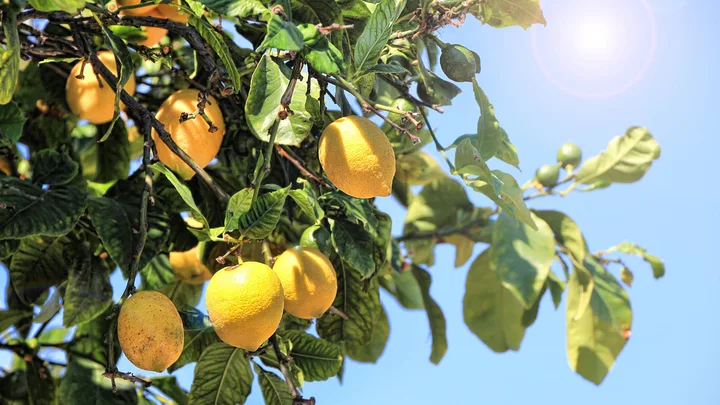
Lemon Tree
Lemon trees, especially the Meyer, are very prolific. Look after your lemon tree and you’ll be rewarded with an abundance of sweet, tangy fruit for years to come. Lemon trees thrive best in warmer regions but can be successfully grown in pots in cooler parts of the country.
When to plant: Autumn and spring
Harvest in: Two to three years
Position: Full sun
Soil: Free-draining soil, rich in organic matter

Plum tree
Plums are incredibly productive and suitable for most regions of Aotearoa, although they are best grown with another variety for optimal pollination success. Billington is an early-season red plum that’s partially self-fertile, while Luisa produces large, sweet yellow fruit. Water well during fruiting and prune after harvest.
When to plant: Winter
Harvest in: Two to four years
Position: Full sun, away from strong winds
Soil: Deep, free-draining soil, rich in organic matter

Peach & Nectarine Trees
Peaches and nectarines grow well in the warmer parts of New Zealand, as thet love at least six hours of direct sunlight daily. Most varieties are self-fertile (typically excluding drawf vareties) but bee activity in your garden will be especially useful to ensure a bountiful harvest.
When to plant: Winter
Harvest in: One to three years
Position: Full sun, sheltered from wind
Soil: Free-draining soil, rich in organic matter
Final tips for fruiting success:
- Mulch to conserve water and suppress weeds
- Prune annually to shape the tree and improve harvest
- Fertilise in early spring and summer
- Protect young trees from stong winds and frosts
- Be patient: many trees are two to three years before they fruit, but are worth the wait
Related articles:
- The best indoor plants to bring the outdoors in
- How to grow the perfect potatoes in your garden
- Shade-loving plants that’ll transform your backyard

Related stories

Native ad body.
Native ad body.
Native ad body.

Share this post