
 Photo / Getty Images
Gardening in New Zealand is enjoying a resurgence, as more Kiwis enjoy the satisfaction of growing their own food at home. Whether you’re a beginner with a small backyard or a seasoned green thumb, choosing the right plants can make all the difference between a lush, productive garden and a patch of neglected soil.
Luckily, many edible plants thrive with minimal effort in New Zealand’s temperate climate. From leafy greens that grow rapidly and can be harvested repeatedly, to vibrant vegetables and herbs that reward you with flavourful produce all season, there are so many options for every level of gardener.
Some of the easiest plants to grow include lettuces, silverbeet, kale, and fast-growing root vegetables like radishes and carrots. Herbs such as parsley, chives and mint are perfect for cut-and-come-again harvesting. Fruiting plants, such as cherry tomatoes, zucchinis, and strawberries, deliver abundant produce with minimal effort. Choosing these low-maintenance edibles is a cost-effective way to enjoy homegrown food without investing a fortune in equipment or supplies.
Whether your goal is to feed your family, enjoy fresh herbs year-round or experience the joy of growing your own food, these practical and easy-to-grow plants are the perfect place to start.
The benefits of growing your own food in New Zealand
Growing your own edibles comes with a host of advantages in New Zealand, from fresher, more nutritious produce to significant cost savings. Homegrown fruit, vegetables, and herbs often taste better than those purchased at the supermarket. Plus, growing your own food allows you to control exactly how they’re grown – free from unnecessary chemicals and preservatives.
Gardening at home also encourages sustainability, reducing food miles and packaging waste. Beyond the practical advantages, it provides a sense of connection to the seasons, with the bonus of being a therapeutic, family-friendly activity.
Easy-to-grow leafy greens
Leafy greens are some of the easiest and most rewarding vegetables to grow in New Zealand gardens. They thrive in a range of climates, require minimal maintenance, and often provide a quick harvest.
Many leafy greens are ‘cut-and-come-again’ crops, meaning they can be harvested repeatedly without uprooting the plant. This makes them perfect for busy gardeners and those with smaller spaces who want a continuous supply of fresh produce throughout the growing season.
- Lettuce (loose-leaf, cut-and-come-again): Fast-growing, perfect for succession planting, and ready to harvest in 4-6 weeks.
- Silverbeet / Swiss Chard: Extremely hardy, grows year-round, and can be harvested multiple times.
- Kale: Pest-resistant, nutrient-rich, and produces leaves over a long period.
- Spinach: Quick-growing, tolerates cooler temperatures, and is ideal for spring and autumn planting.
- Rocket/ Arugula: Spicy, fast-growing leaves ready in 3-4 weeks, perfect for salads.
Low-maintenance herbs
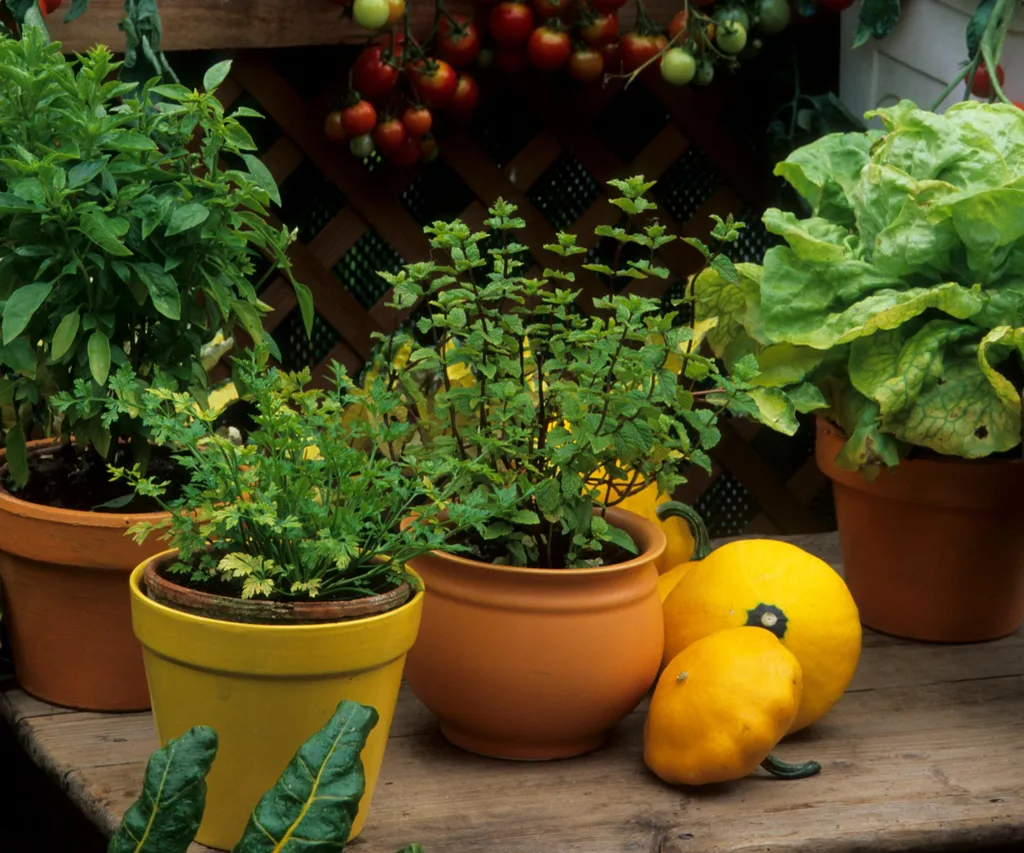
Herbs are an easy addition to any New Zealand garden, requiring very little upkeep. Many herbs are perennial, too, so they return year after year, and they thrive with minimal watering and care once established. Perfect for small spaces, herbs will happily sit on a kitchen windowsill or among other edibles in the vegetable garden.
Growing your own herbs will also save you money, and a packet of 500 seeds can be cheaper than a packet of herbs from the supermarket.
- Parsley: Multi-use, nutritious, and ideal for cut-and-come-again harvesting.
- Chives: Fast-growing, hardy and perfect for garnishing dishes.
- Mint: Extremely vigorous, best grown in pots to control spreading.
- Thyme: Hardy, drought-tolerant, and excellent for seasoning.
- Rosemary: Low-maintenance, perennial, can be used as hedging.
- Oregano: Hardy, easy to grow.
- Basil: Perfect for summer gardens, a tomato companion plant.
Quick-growing root vegetables
Root vegetables are some of the most satisfying crops to grow. Generally low-maintenance, they can thrive in a variety of soil types, and often produce a harvest in a few weeks to just a couple of months. Fast-growing root vegetables are particularly ideal for beginner gardeners or anyone looking for a quick return on their efforts.
To consider the cost savings when growing your own root vegetables, a packet of 1000 carrot seeds is about the same as a bag of fresh carrots from the supermarket.
- Radishes: Extremely fast-growing, ready to harvest in 4 – 6 weeks and perfect for succession planting.
- Carrots: Easy to grow in well-draining soil; harvest in 8 – 12 weeks depending on variety.
- Beetroot: A dual-purpose crop, with both roots and leaves edible; harvest in 8 – 9 weeks.
- Turnips: Hardy and quick, ideal for cooler seasons; ready in about 6 – 8 weeks.
- Spring onions: Fast-growing, great for cut-and-come-again harvesting.

Fruiting plants with high returns
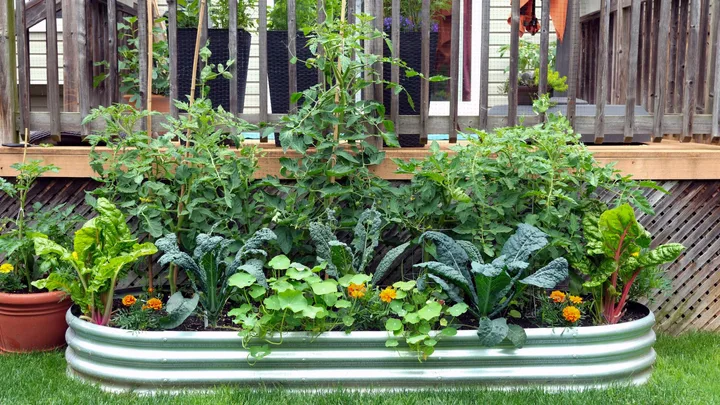
Fruiting plants are among the most rewarding for home gardeners in New Zealand, offering colourful, productive crops that bring both visual appeal and delicious results. While some fruiting plants require a little more attention than leafy greens and herbs, many varieties are surprisingly easy to grow and provide a high yield for relatively little effort. Choosing the right varieties and providing basic support such as stakes, cages, or trellises can ensure a bountiful harvest, even in small backyard gardens or pots.
- Zucchini: Extremely prolific, one plant can produce large yields throughout summer; ready to harvest in 6 – 8 weeks.
- Cherry tomatoes: Quick-growing, perfect for small gardens; ready in 8 – 10 weeks.
- Capsicum: Easy to grow in warmer areas; harvest in 8 – 12 weeks.
- Chillies: Hardy, heat-loving plants that produce abundant crops in pots or beds; ready to harvest in 8 – 12 weeks.
- Cucumbers: Fast-growing, productive, and ideal for trellising to save space; harvest in 8 – 12 weeks.
- Strawberries: Perennial plants that multiply over time; fruit ripens 4 – 6 weeks after blossoming.
Beans and peas: Easy protein-rich crops
Beans and peas are not only quick-growing and easy to cultivate in New Zealand gardens, but many varieties are ideal for small spaces, raised beds and trellises. These vegetables are ideal for beginner gardeners or those with limited garden space. The crops also improve soil health by fixing nitrogen, which benefits other plants sharing the same bed.
With minimal maintenance, regular watering, and a little support for climbing varieties, these plants reward gardeners with abundant harvests over a sustained period.
- Dwarf beans: Compact, easy to grow, and ready to harvest in 6 – 8 weeks.
- Climbing beans: High-yielding, space-saving when grown on a trellis, and ideal for succession planting; harvest in 8 – 12 weeks.
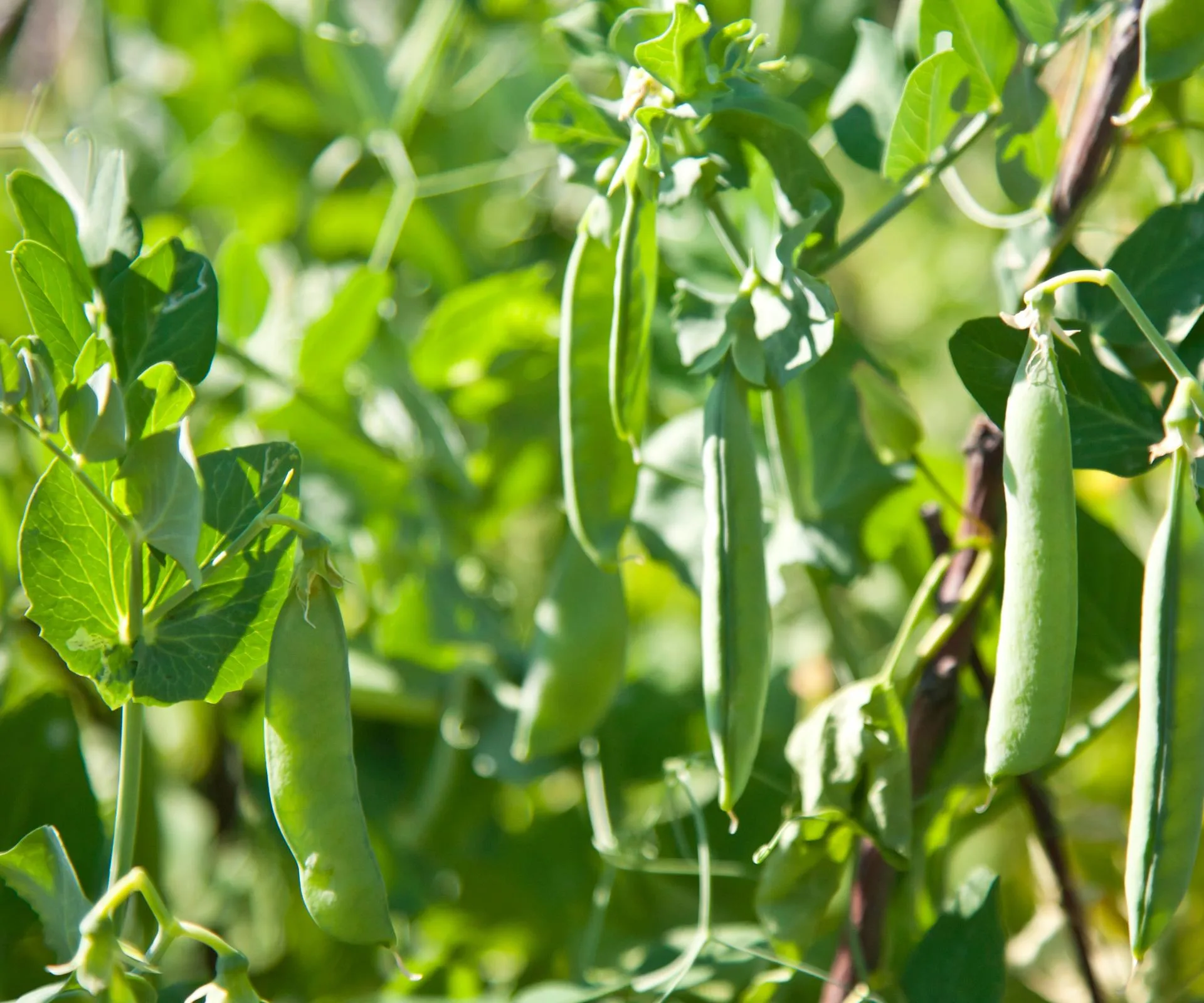
- Snow peas: Fast-growing, sweet-tasting pods. Ready about 10 weeks after planting.
- Garden peas: Hardy and productive, perfect for cooler months and easy to harvest after 10 – 16 weeks.
- Broad beans: Robust, frost-tolerant. Harvest when beans are around 10 – 15 cm long, about 8 weeks after sowing.
| Plant | Time to Harvest | Ease of Growth | Ideal Season |
|---|---|---|---|
| Beetroot | 8–10 weeks | Easy | Spring/Autumn |
| Broad Beans | 6–8 weeks | Easy | Spring/Autumn |
| Capsicum | 10–12 weeks | Easy | Summer |
| Carrots | 8–12 weeks | Easy | Spring/Autumn |
| Cherry Tomatoes | 8–12 weeks | Easy | Summer |
| Kale | 6–10 weeks | Easy | Year-Round |
| Lettuce (Loose-Leaf) | 4–6 weeks | Very Easy | Spring/Summer |
| Parsley | 4–6 weeks | Very Easy | Year-Round |
| Peas (Sugar Snap) | 6–8 weeks | Easy | Spring/Autumn |
| Radish | 4–6 weeks | Very Easy | Spring/Autumn |
| Rocket / Arugula | 3–4 weeks | Very Easy | Spring/Summer |
| Silverbeet / Swiss Chard | 6–8 weeks | Easy | Year-Round |
| Spinach | 4–6 weeks | Easy | Spring/Autumn |
| Spring Onions | 4–6 weeks | Very Easy | Year-Round |
| Strawberries | 10–12 weeks | Easy | Summer |
| Zucchini | 8–10 weeks | Easy | Summer |
Cost-effective gardening tips
Getting a garden set up may be more costly than your weekly supermarket trip, but the long-term investment is worth every cent. By focusing on low-cost, high-yield plants and using simple gardening methods, gardeners can enjoy fresh produce without large investments in equipment or supplies.
Starting from seeds rather than store-bought seedlings is one of the most cost-effective approaches, as seeds are inexpensive and often produce multiple plants. Reusing containers, creating compost from kitchen scraps, and collecting rainwater are other smart ways to reduce costs while benefiting the environment.
Cost-saving gardening tips:
- Start plants from seeds instead of buying seedlings.
- Make compost from kitchen scraps to enrich the soil naturally.
- Collect rainwater to lower water bills.
- Consider companion planting to reduce the need for sprays and fertilisers.
- Stagger planting for continuous harvests.
- Choose hardy, low-maintenance crops for long-term savings.
Related articles:
- 9 gardening gifts for loved ones with a green thumb
- TikTok is loving chaos gardening – here’s how to try it
- The best fruit trees for a Kiwi backyard
Related stories

Native ad body.
Native ad body.


Native ad body.