


With spring now upon us, gardeners need to get moving: ordering seeds, sowing them, preparing the soil, finishing the last of the pruning and pouncing on emerging weeds. The one task that rarely benefits from haste is sowing seeds or planting seedlings outdoors. Cold conditions can kill tender plants and will almost certainly slow their progress. Wait until the soil has warmed, ideally to around 20°C, and remember that many seedlings should not be planted out until all danger of frost has passed.
Grounded
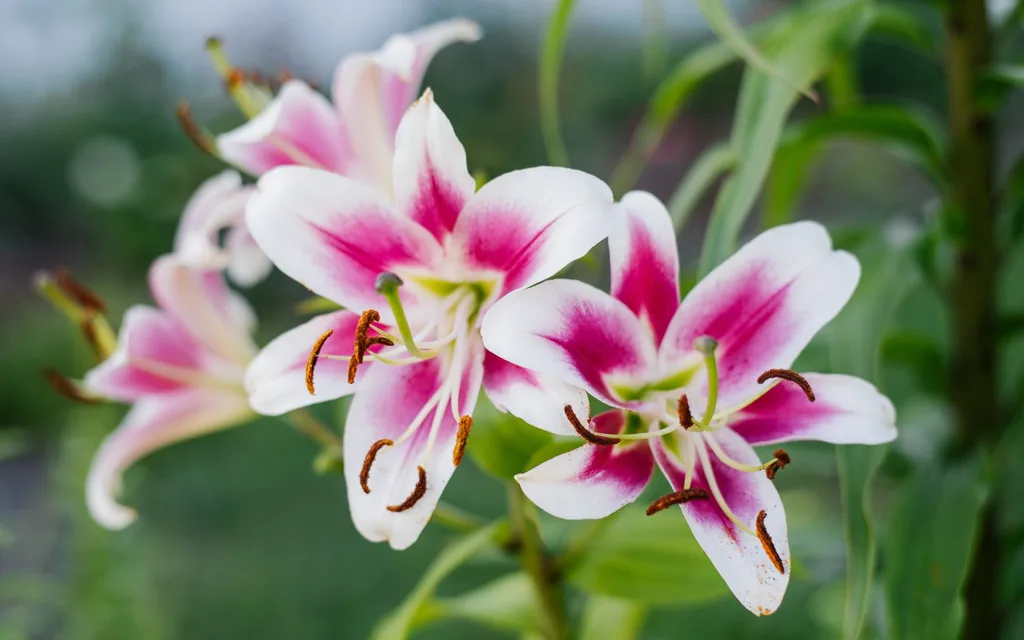
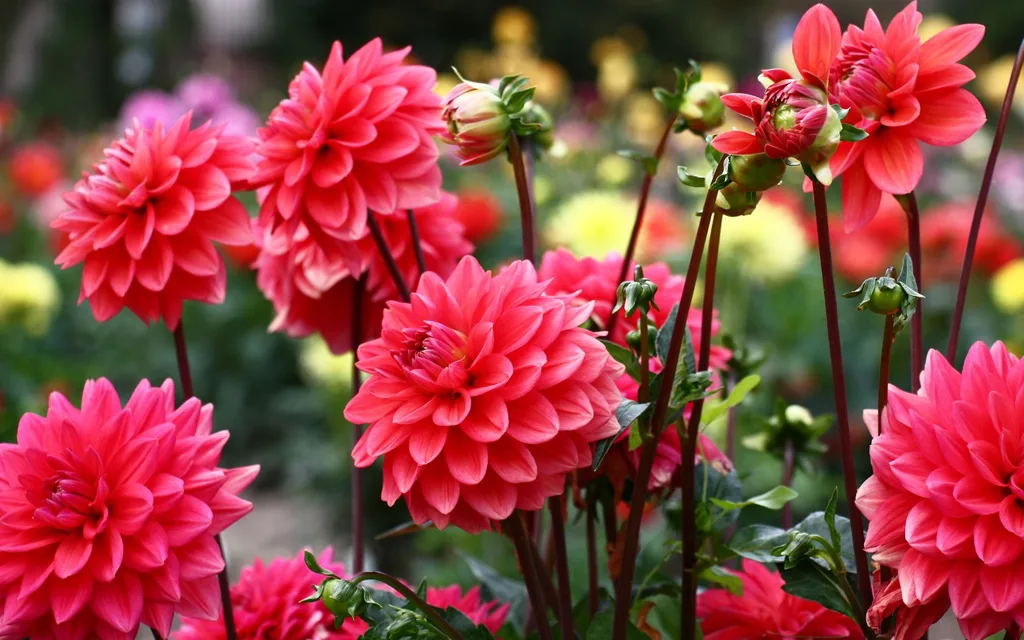
Oriental lilies, dahlias, hippeastrums and calla lilies can all be planted now. To get some early pretties, sow cornflowers, larkspur, poppies, snapdragons, stock and sweet peas directly into the garden, as can vegetables such as lettuce, carrots, kale, snap peas, radishes and broccoli.

Steal this look
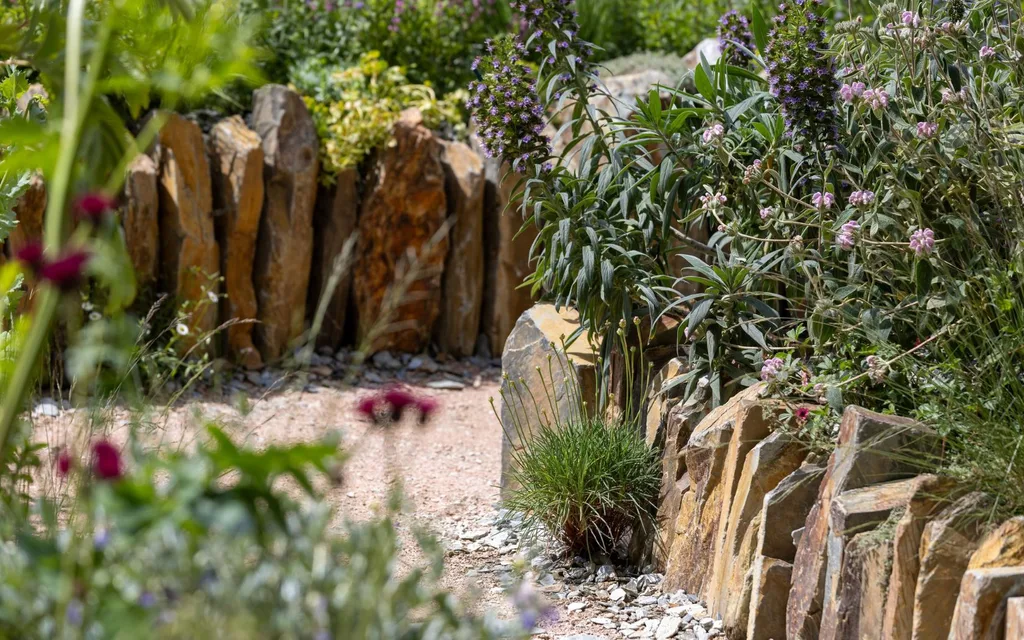
Flat stones set upright vertically create a distinctive, almost sculptural form of garden edging, adding striking texture and definition to paths and planting beds. Their flat faces fit snugly together, forming a far more effective barrier than rounded rocks and making it difficult for creeping weeds or wandering roots to force their way through. For enduring stability, bury at least one-third of each stone below ground level. This anchors the edging securely and creates a deeper underground barrier against unwanted invaders.
The choice of stone can alter the finished effect. Bluestone, a dense volcanic basalt, brings a crisp, contemporary look with its dark, even colouring. Schist, with its naturally layered structure and silvery-grey hues, offers a softer, more rugged character that sits comfortably in informal gardens. Sandstone lends warmth through its honeyed and earthy tones, while granite – one of the toughest of all building stones – ranges from pale greys to dramatic charcoal and blush pinks, providing options to suit everything from cottage gardens to sleek modern landscapes.
Potato heads-up
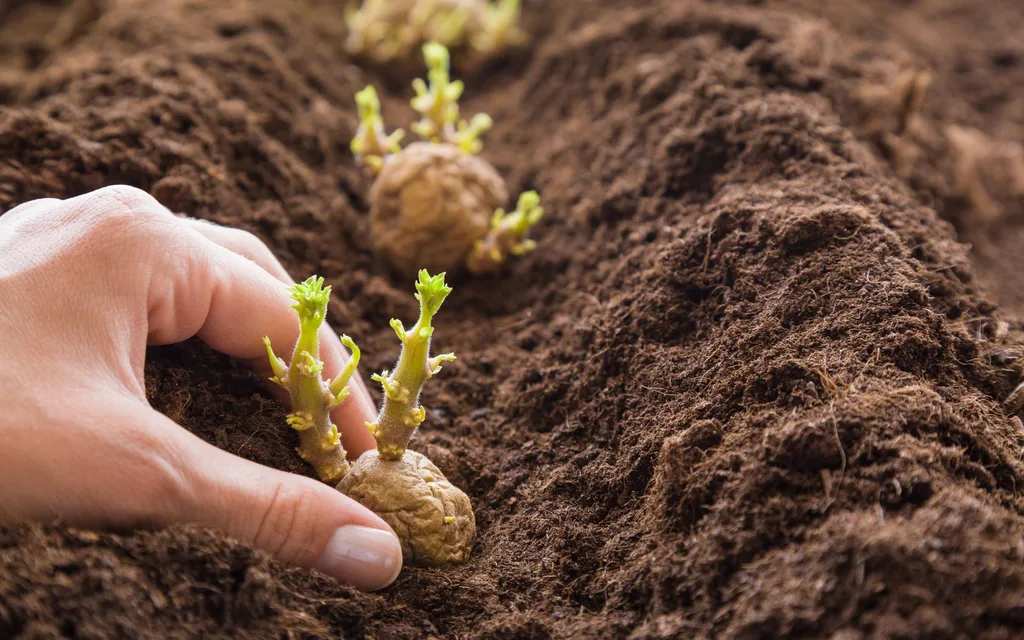
Plant seed potatoes once the shoots are at least 15mm long. Set them in furrows 15cm deep, spacing tubers about 30cm apart for smaller varieties and 40cm apart for larger or maincrop types. Cover with 5cm of soil and water well, then gradually mound soil around the stems as they grow. For smaller gardens and gourmet crops, containers with good drainage are great – just fill with potting mix or soil and continue mounding as the plants develop. Most crops are ready to harvest in about three months.
Consider this: Instant fencing
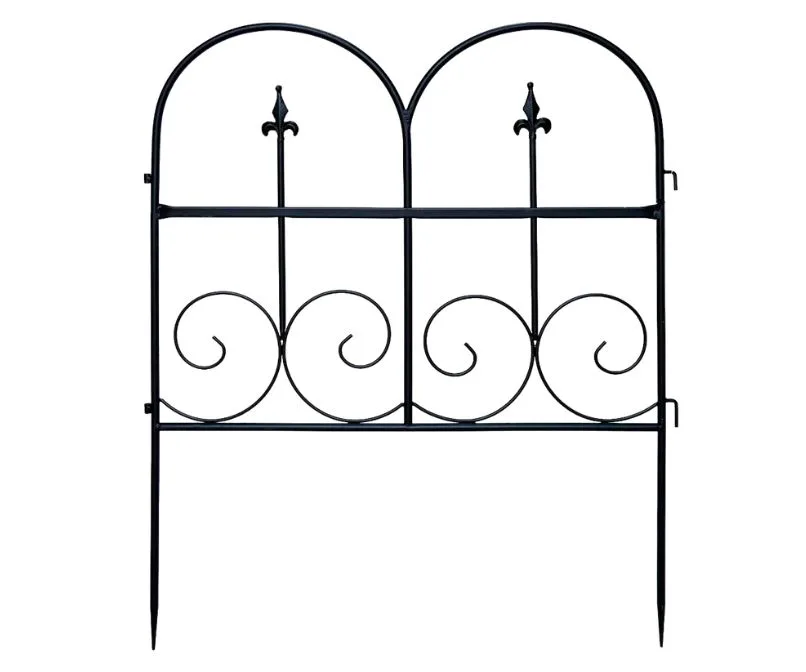
Sick of dogs trampling on your flower beds, blackbirds scattering mulch onto the paths and lawns? These sturdy 2mm powder-coated steel fence panels are a sure-fire quick fix. Tall enough to discourage all but the most determined canine visitor, and a gauge narrow enough to catch all but the smallest of feathered friends’ cast-offs. Simply push them into the ground and interlock. Available in five designs, from the perfectly plain to the extraordinarily ornate.
Landscape 101
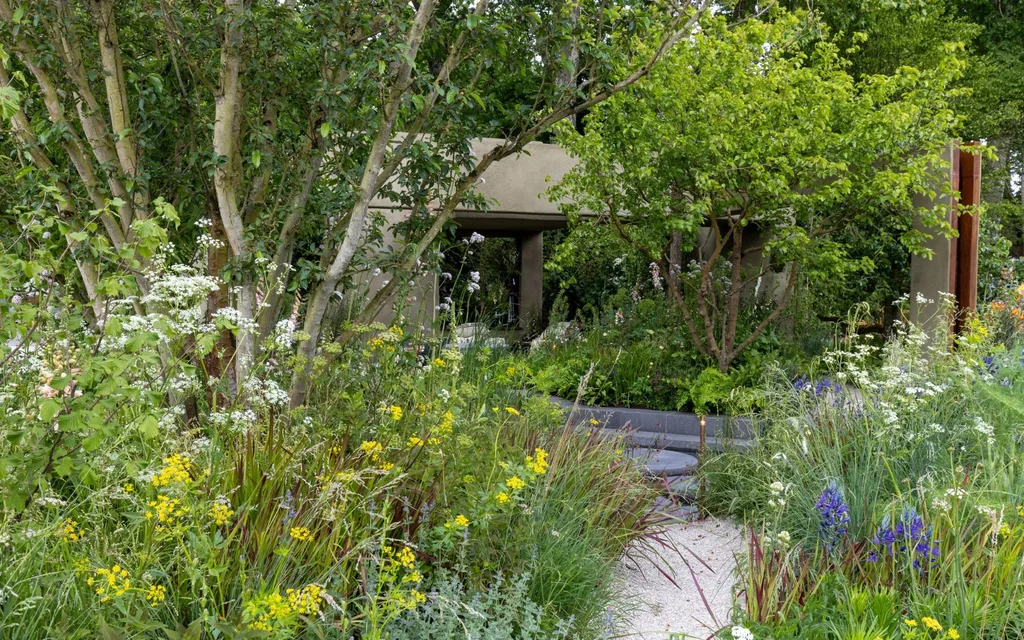
In a small garden, modestly sized, multi-stemmed trees with open canopies are usually a better choice than large, dense specimens. Their light, airy crowns soften the landscape, filtering sunlight rather than casting deep shade. Beneath them, perennials and grasses will enjoy the dappled light, while on hot summer days the leafy canopy provides light shade.
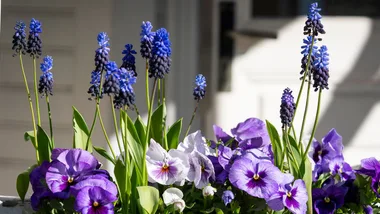
The gently splayed trunks add a natural character and actually enhance the view through them, whereas solid and heftier trunks can detract from any views. Though smaller, these trees still give a sense of height to a garden and can help screen an unattractive view or create privacy without overwhelming the space.
Multi-stemmed trees can be difficult to find, but it is not difficult to create them yourself. In late winter or early spring, cut a young single-stemmed tree back to about 10cm above ground level. From the flush of new growth, select the three to five strongest, best-spaced shoots to become the permanent trunks and remove the rest. Thereafter, only occasional pruning is needed to maintain the form by lifting the canopy, removing crossing or rubbing branches and cutting away any vigorous shoots arising from the base. The same technique can also be used to turn suitable shrubs into handsome multi-stemmed specimens.
Excellent candidates for year-round interest include Amelanchier canadensis, Melia azedarach (Persian lilac), Cercis canadensis ‘Forest Pansy’, Hamamelis virginiana (witch hazel), Lagerstroemia (crepe myrtle), Sophora microphylla (kōwhai) and ornamental crab apples (Malus species). Among shrubs, viburnums, lilacs (Syringa species) and flowering quince (Chaenomeles species) respond particularly well.
How to: Stop coriander going to seed
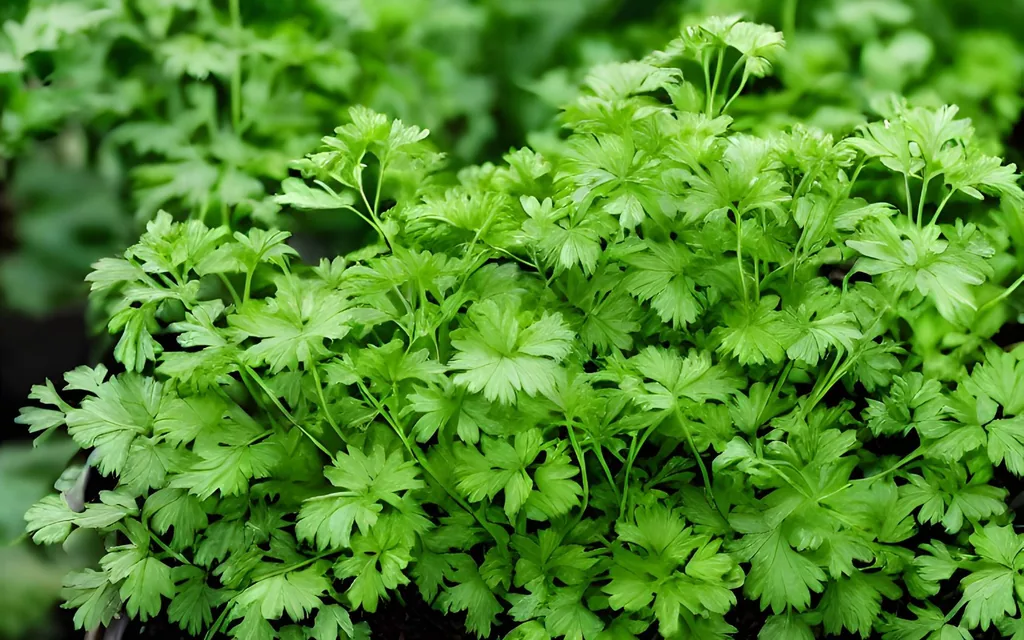
Coriander has a frustrating habit of bolting, sending up flower stalks and channelling its energy into making seed rather than the desirable fresh green leaves. Warm weather, dry soil and root disturbance are the usual triggers, but it can be delayed.
Sow little and often, every two or three weeks, rather than one large crop. Choose a spot with morning sun and afternoon shade during the warmer months and keep the soil consistently moist with regular watering and a light mulch. Coriander has long tap roots, making it averse to being transplanted.
If you do that, it tends to bolt ASAP. Sow it directly where it will grow.
Harvest frequently by snipping the outer leaves first, encouraging fresh growth from the centre. Even when flowering begins, don’t hurry to pull out the plants; the blooms are still edible and will also attract beneficial insects. The seeds can be harvested green or left to dry – as in the spice coriander. They will also self-sow easily, engendering a constant supply of leaves.
Around and around
Crop rotation helps prevent soil exhaustion and reduces the build-up of pests and diseases from one season to the next.
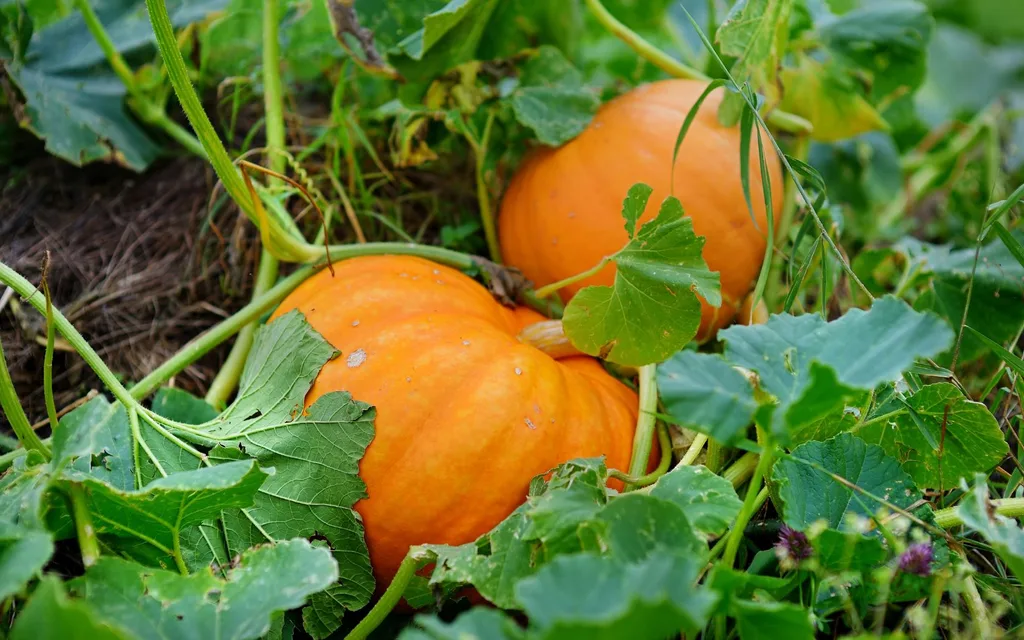
Rotate by plant family rather than by individual crop. Tomatoes, potatoes and aubergines belong to the same family, as do brassicas (such as broccoli and cabbage), cucurbits (including cucumbers, pumpkins and courgettes) and legumes (such as peas and beans). It also pays to follow heavy feeders with legumes. Brassicas, sweet corn and pumpkins use large amounts of nutrients, while peas and beans help restore nitrogen to the soil. Allow at least three years before returning a plant family to the same patch.
Read next:
- Your guide to creating beautiful floral displays
- The perfect hedge for every garden
- Composting at home: How to create your own ‘black gold’

