


With an extra hour in the evenings now that daylight saving has begun, there’s no excuse not to get out there and start your spring garden.
Chores
The unpredictability of the weather aside, towards the end of October is when planting kicks off in earnest. However, in the second month of spring, any keenness to embrace the season needs tempering with an awareness that many plants won’t relish any cold that cares to linger.

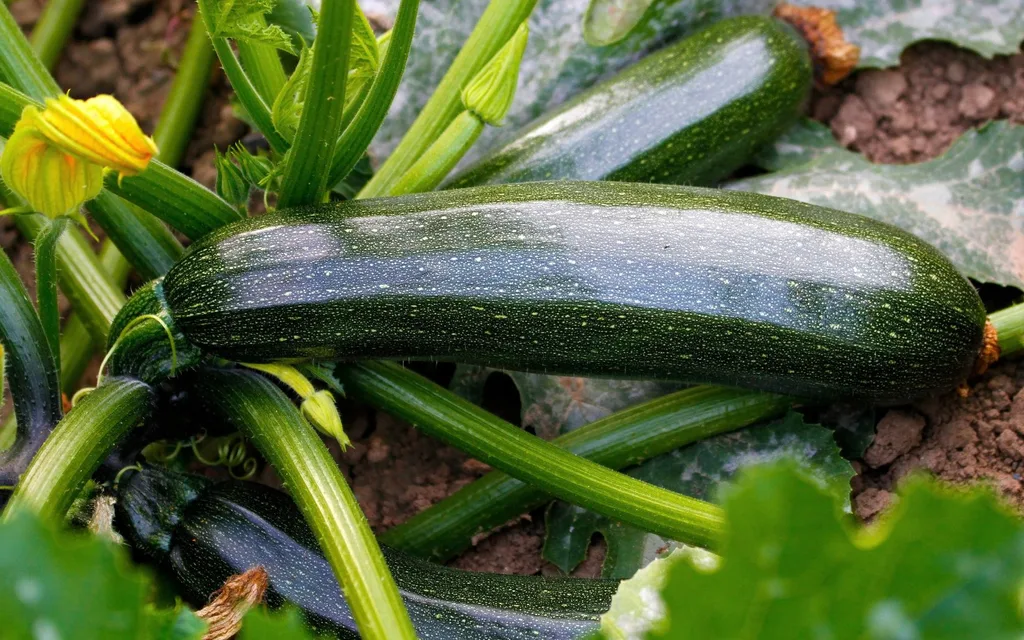
Rather than shivering and sulking in any residual chilliness in either the soil or air, tomatoes, sweetcorn, peppers, eggplants, basil, cucumbers, pumpkins, courgettes and other cucurbits will be happier in a pot in a sunny spot indoors or one outdoors from which they are retrieved before sundown and brought under shelter. Only plant them out when the temperatures rise – in the meantime, they will still be growing, but you would have paid small plant prices.

Peas, carrots and leafy greens may be safely sown outside.
Asparagus crowns may be planted in a sunny spot in lighter soil enriched with compost.
Plant lilies, gladioli and dahlias and frost-tender shrubs such as vireya rhododendrons and many sub-tropicals.
Steal this look
A small garden is tucked behind a breeze block wall, its geometric openings filtering the light and casting shifting patterns across the paving. The crisp grid brings structure, softened by the loose planting of trees and shrubs and the deliberately unkempt grass. The palette is restrained: pale lemon walls, white trim, grey concrete pavers and layers of green foliage create a contemporary twist on mid-century modern aesthetics.
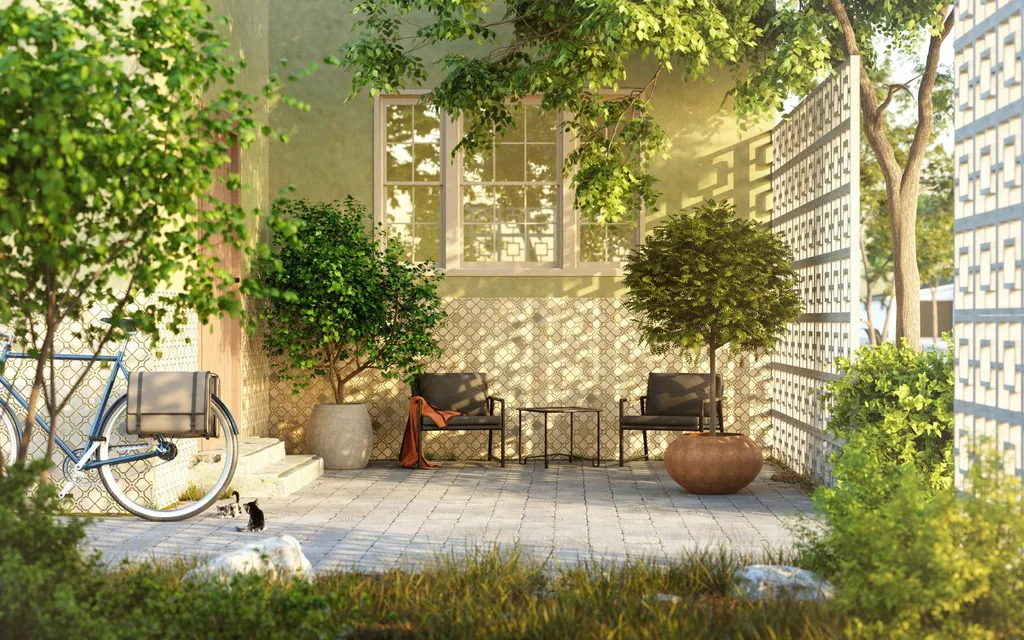
Breeze block — sometimes called solar block in New Zealand – was popular in the post-war years for both homes and gardens. It is substantial without feeling heavy and creates a boundary yet still allowing light and air to pass through. The openings won’t stop the most determined nosy parker but it does offer some privacy. It’s a two-way deal: you’ll still be able to see out while still feeling enclosed. Breeze block is now available in a range of patterns and materials.
Dinner time
Feed and condition the soil for planting by incorporating compost.
Feed citrus trees as new growth begins.
Daffodils, tulips and other spring bulbs appreciate a dose of fertiliser once flowering has finished.

Knives out
Cut back sub-tropicals such as cannas, hibiscus, brugmansia, abutilon and tecomaria.
Fuchsias given a hard prune now will flower better in summer.
Spring-flowering shrubs, including rhododendrons, azaleas and camellias are best pruned as soon as flowering is over.

Consider this
With planting season upon us, it’s time to ease the work by decking yourself out with the best tool. Digging into soil riddled with roots or hard clay can be a struggle, but neither will be much of a match for this carbon steel and fibreglass sharp-edge shovel. The serrated edge and heavy-duty blade will slice through the most resistant of materials.

How to help your garden cope with climate change
Whether living on the dry east coast or in the wetter north and west of the country, gardeners everywhere are having to cope with more extremes — from longer dry spells to heavier downpours. One of the simplest ways to help a garden adapt is to keep the soil covered.
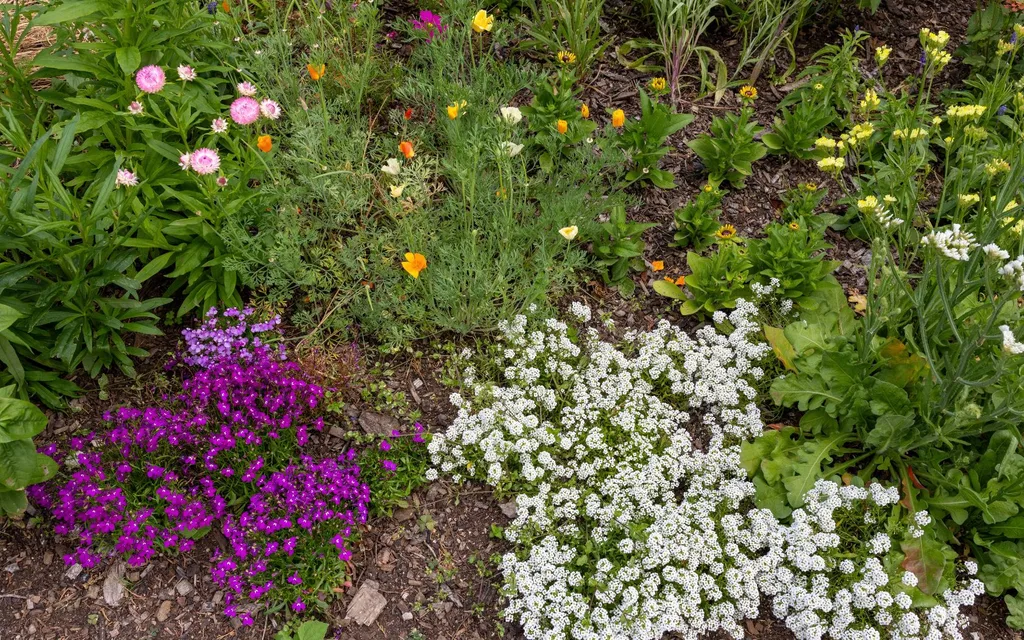
Plants act like a blanket, shading the ground, reducing evaporation and helping soil stay cooler and moister for longer. Below the surface, roots create channels that allow rain to soak in rather than run straight off.
As roots die back and leaves fall, they add organic matter, feeding earthworms and other soil life that improve soil structure.
On the other hand, bare soil is easily compacted by heavy rain, washing away nutrients, causing run-off, erosion and contributing to flooding.

Landscape 101: Conversation pits

What? A conversation pit is a sunken area with seating, usually arranged in a convivial way, such as a circle. In the middle is either a fire or coffee table, or, in a more modern twist, a small reflecting pond. Pits are either dug into the ground or constructed as part of a terrace or deck, much like a spa or swimming pool.
Why? It is the latest interior space to shift outdoors, a natural progression from the now-commonplace outdoor kitchen, bath, dining room etc. Indoor conversation pits have not been a feature of many houses since their heyday in the ’60s and ’70s. The idea is somewhere comfortable to socialise in the great outdoors.
Why sunken? Good question. Apart from the novelty factor, being embedded down low gives a sense of cosiness and intimacy. Sheltered on all sides from wind makes it warmer yet retains all the pleasures of outdoor living, such as the stars and moon, rustling leaves, the fragrance of night flowers and the hoot of the ruru.
And in the daytime? It’s still a convivial place, of course. Somewhere to take morning coffee, read a book.
What does it need? Comfortable seating – cushions usually do the trick. Then a centrepiece to sit around (aka conversation piece). This could be a fire, gas-fired or wood burning such as a brazier – for a fire to poke is a source of much joy for many.
A coffee table is handy if more than chatting is envisaged. We’re thinking eating, drinking, playing board games. A small reflecting fish pond is a sophisticated
touch and is the perfect vessel for floating candles. Plants scattered around the top will make it seem more secluded. Finish off with a tree nearby, for summer shade and some white and/or scented blooms for evening pleasure.
Can I just dig a large hole? Hmmm, maybe, if you take note of the main practical considerations such as retaining walls, steps or a ramp, and drainage.
Read next:
- Explore this enchanting cottage garden in Christchurch
- Your guide to creating beautiful floral displays
- The perfect hedge for every garden

