

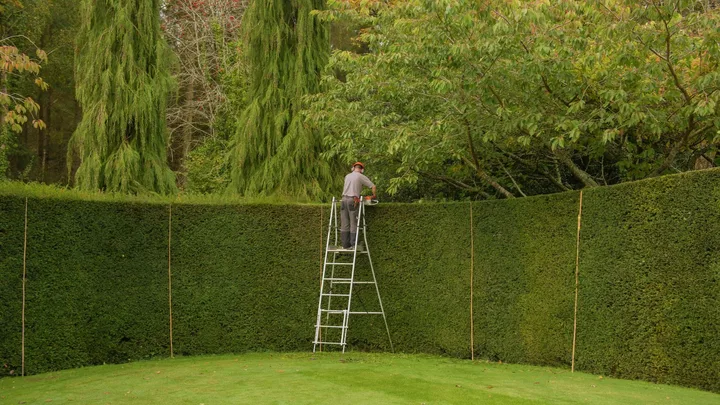
For privacy, boundaries, wind protection and a subtle “keep out” message, nothing beats a hedge. Sustainable and endlessly variable, hedges can do far more than simply mark the edge of your garden. From sculptural, beautifully clipped forms that become a work of art, to relaxed, low-maintenance varieties that quietly get on with the job, there’s a hedge for every garden, style and level of commitment. Here are some top picks.
Trash the trimmers
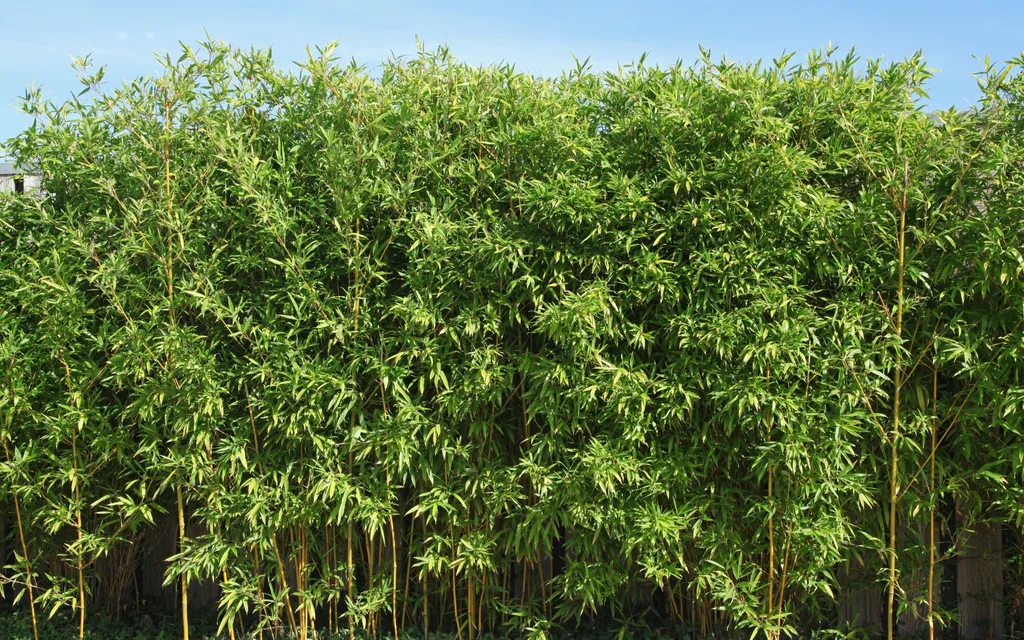
Can a hedge skip haircuts entirely? If it’s bamboo, then the answer is yes — just choose clumping types (the runners are chaos merchants, best left to groves and very large gardens). Slender canes sway and whisper, forever elegant, forever calming. Bamboo grows up more than out, so plant generously close. Choose wisely, checking varieties’ eventual height: once it hits its natural height, bamboo won’t happily stay shorter.
The look is: effortless
Fragrance first
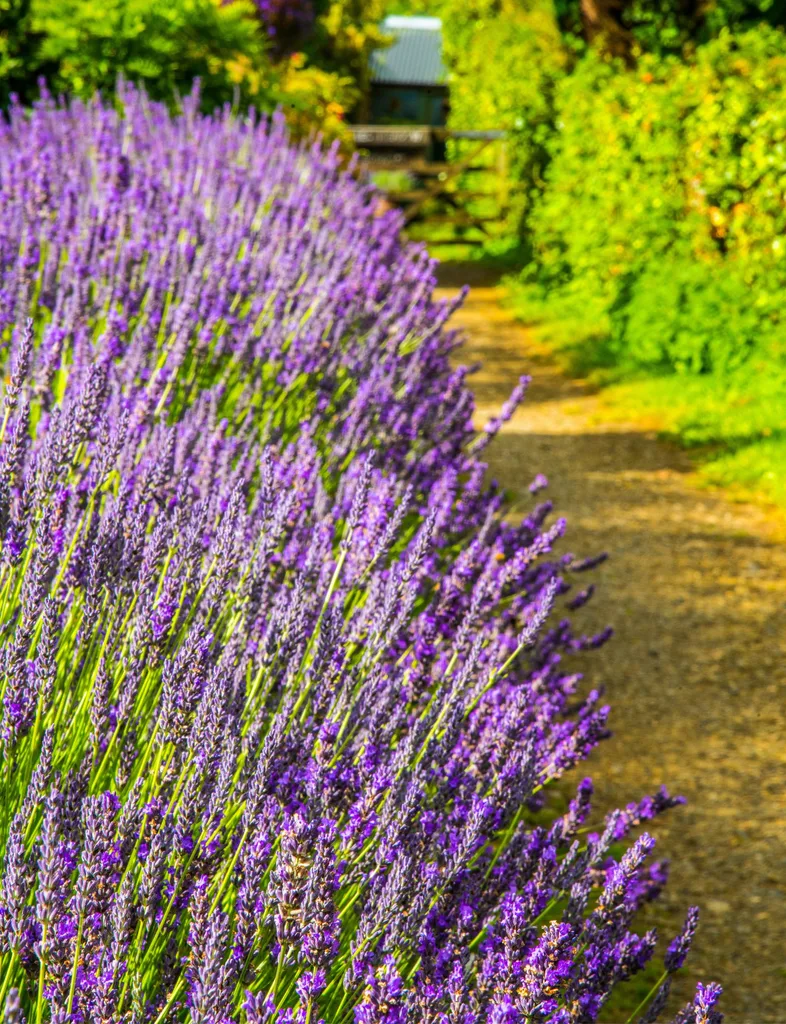
A hedge you can smell before you see. Lavender, rosemary, curry plant, lemon verbena and lemon balm create fragrant borders that release scent with every brush past, so plant near paths, letterboxes, doors and edging vegetable beds.
Lavender, rosemary and curry plant are among the best for structure, all preferring full sun, sharp drainage and relatively lean soils. Avoid winter wet and heavy feeding, and trim lightly after flowering, steering clear of old wood.
Lemon verbena adds a brighter note but prefers warmth, shelter and fertile, well-drained soil. In cooler areas it will drop its leaves in winter and reshoot in spring. Lemon balm is more forgiving — tolerating partial shade and richer soil — but spreads readily, so regular clipping is essential.
The effect is informal, tactile and quietly indulgent.
The look is: seductive
Solid silver
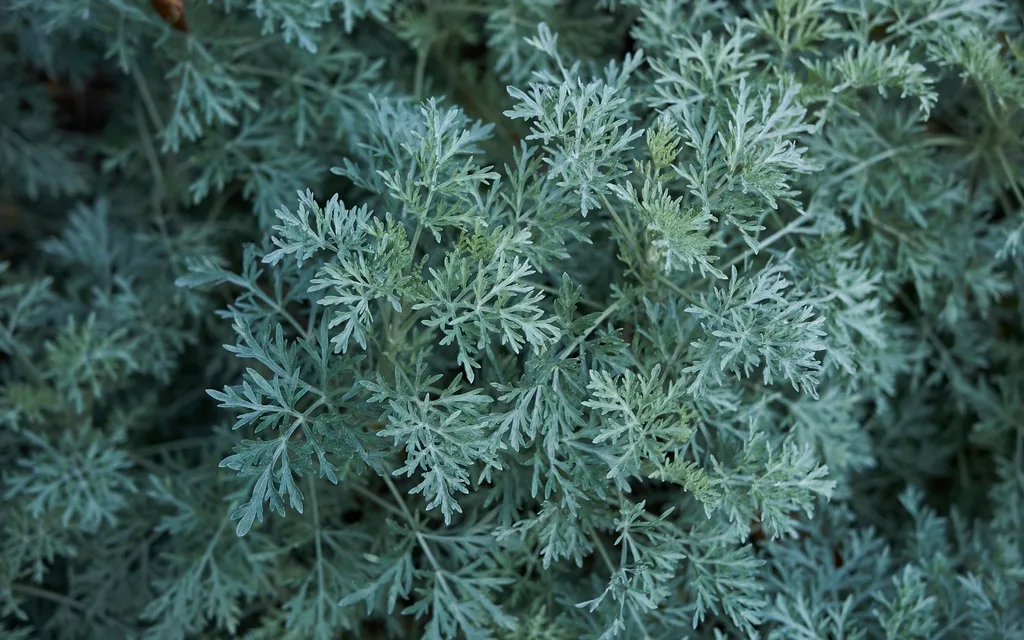
Handsome Artemisia arborescens ‘Powis Castle’ lives for dry, sunny gardens and gravelly soils, yet is still tolerant enough of less-than-ideal conditions. Its softly billowing foliage is a fine sight and carries notes of camphor, citrus peel and a hint of something resinous. It works particularly well colour-wise against pale shingles in white, cream, tan or grey and intensifies the colours of nearby flowers — blues, purples and hot reds, especially. Left untrimmed, artemisia forms a relaxed, informal hedge about a metre high, though light regular clipping will keep it dense.
The look is: Mediterranean

Bold as brass
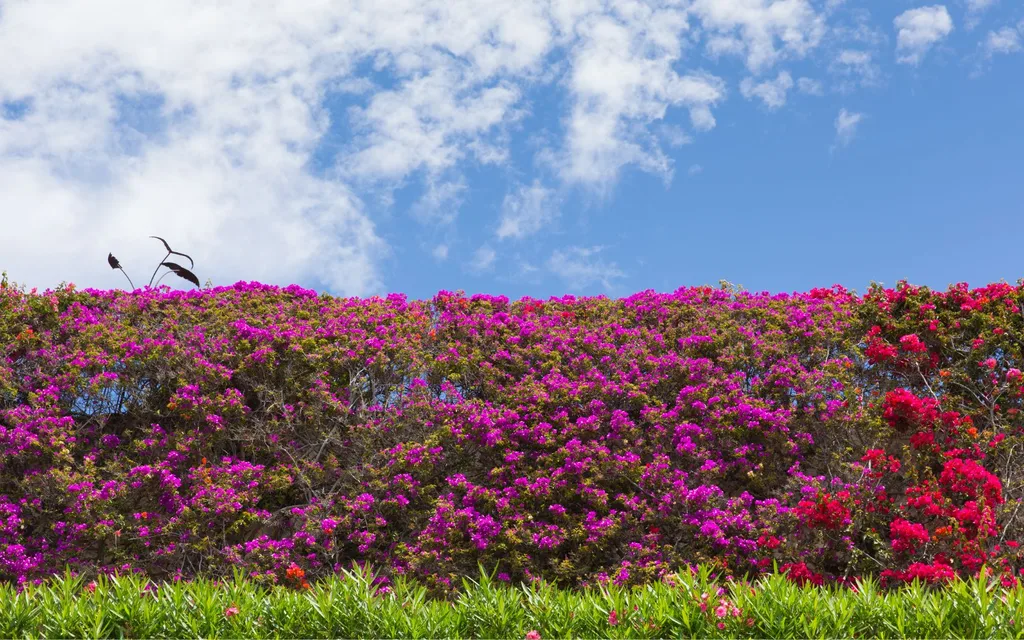
For a hedge with attitude, bougainvillea delivers. A little unruly and entirely unapologetic, it thrives in warm, sheltered sites where it can be trained into a dense, thorny barrier.
Its papery bracts blaze in magenta, crimson, purple and apricot against small, glossy green leaves, instantly conjuring a sense of heat and escape. It’s tougher than it looks, too — happy in full sun, free-draining soil and relatively dry conditions.
Tie in young growth to build density and prune after each flush to keep it in bounds. In cooler climates, some frost protection is needed, but where conditions suit, few hedges make such a vivid, confident statement.
The look is: laidback
Breaking wind
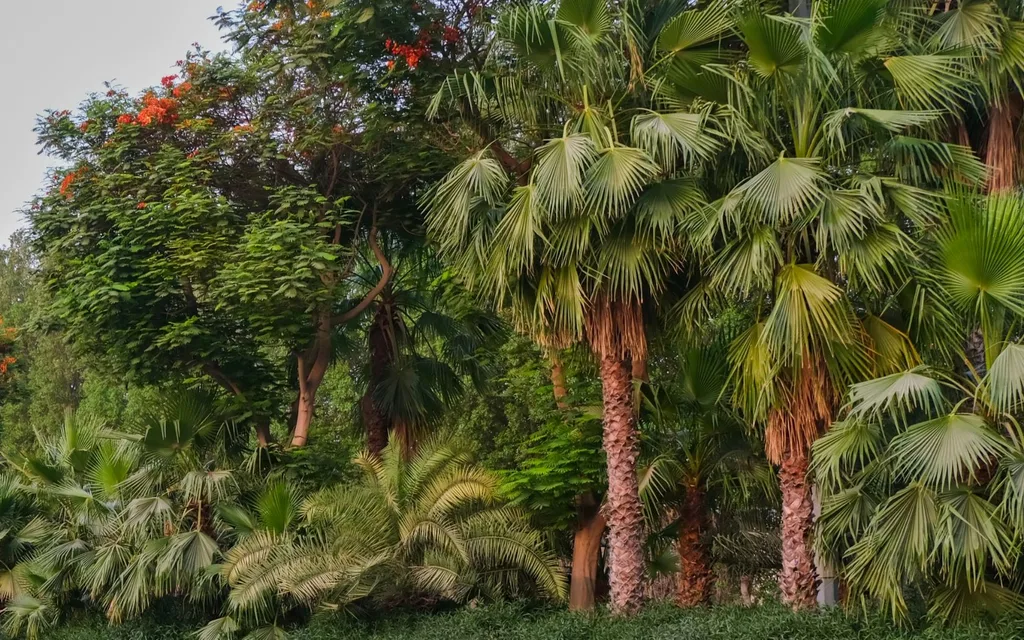
A mixed planting windbreak isn’t technically a hedge, but it performs many of the same roles — often better. Instead of a single clipped species, it’s a loose blend of trees and shrubs planted in staggered rows.
This layered structure filters wind rather than blocking it outright, reducing turbulence and creating a more stable, sheltered environment. The result is gentler, more effective protection for the rest of the garden.
Visually, it’s softer, less formal, more natural and can be easily tailored to whatever your tastes or year-round interest, with a mix of spring flowers, autumn colour and evergreen.
Maintenance is minimal, with little need for regular trimming. It also supports far more wildlife than a single-species hedge, offering food and shelter for birds and insects alike.
The look is: natural
Hence the fedge
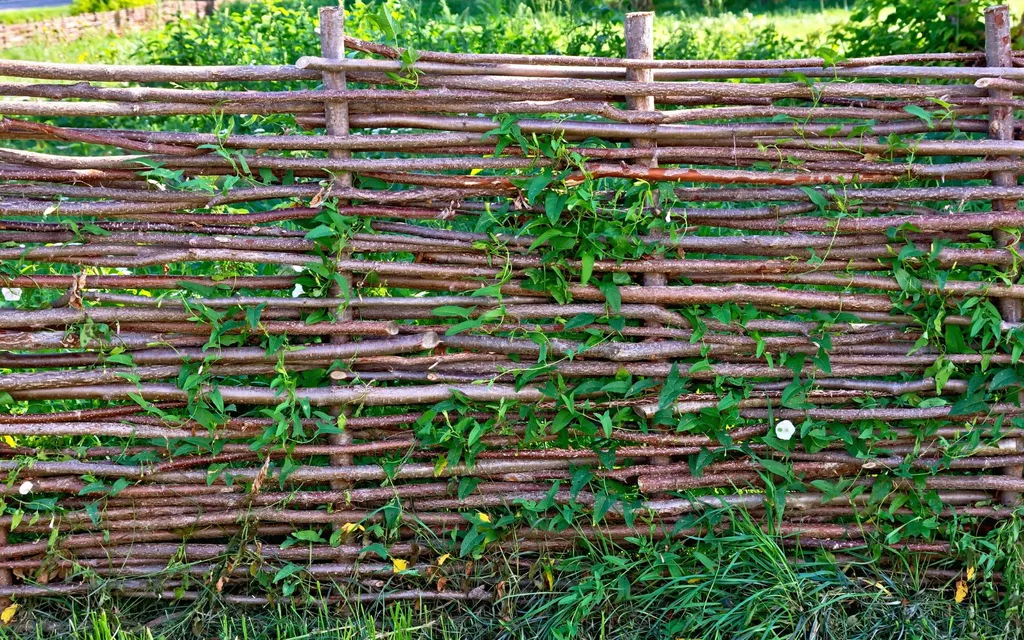
Part hedge, part fence, part living structure.
This fedge is essentially a woven willow framework topped with leafy growth, which improves with age.
In winter, push straight willow rods into the ground at roughly 45-degree angles, alternating directions, so they cross and can be woven together. Rub away any side buds to keep the lower structure clean.
As the willow roots and thickens, the framework gradually fuses into a textured, basket-like wall, while new growth forms a softer top layer. Maintenance is minimal — usually just an annual trim — but the structure gains character year by year.
The look is: unique
Hurry up
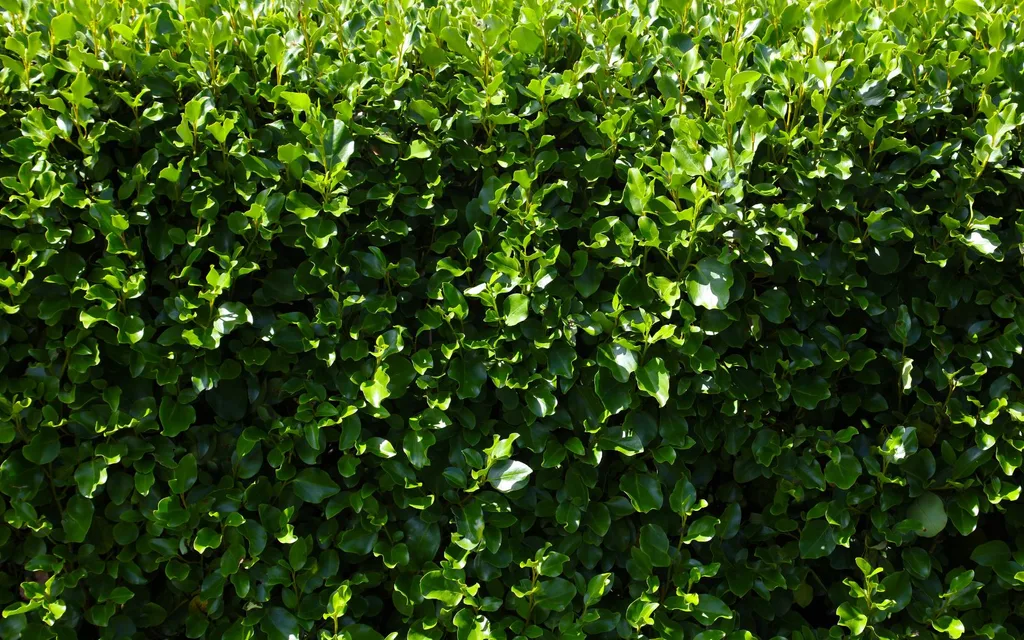
Fast growth equals fast privacy and frequent trimming. However, if you really are the impatient type, try our own lush and gorgeous native Griselinia littoralis (kāpuka). This bright-green, glossy-leaved speedster can push up to a metre a year (apparently, mine certainly doesn’t). That’s half the speed of several bamboos and on par with macrocarpa, that shelterbelt species so popular with rural folk. Close behind in speed and until recently more popular than griselinia is Pittosporum tenuifolium (kōhūhū), noted for its neat, crinkled foliage and up to 75cm of annual growth. Both are reliable, handsome and very quick to please.
The look is: instant
Rose to the occasion
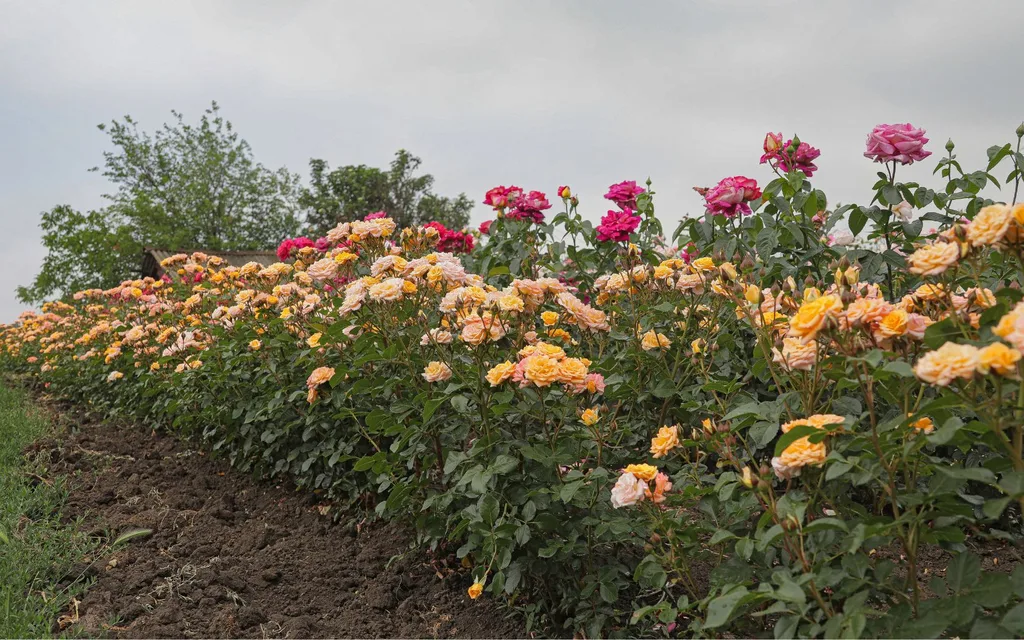
A rose hedge is more about fabulosity than straight lines. Spring and summer bring a froth of blooms, perfume and pollinators, insects and a tangle of glossy foliage. Autumn follows with glowing lantern-like hips. Thorns add year-round defence. Unlike most hedges, roses spill and arch with soft abandon. Plant densely — no more than 50cm apart — and prune with hedge trimmers in late winter. For a more formal look, choose a single variety. Otherwise go to town and mix your favourites, colour-coordinated or gloriously clashing. Compact gallicas, albas, shrub and species roses work best.
The look is: romantic
I love yew
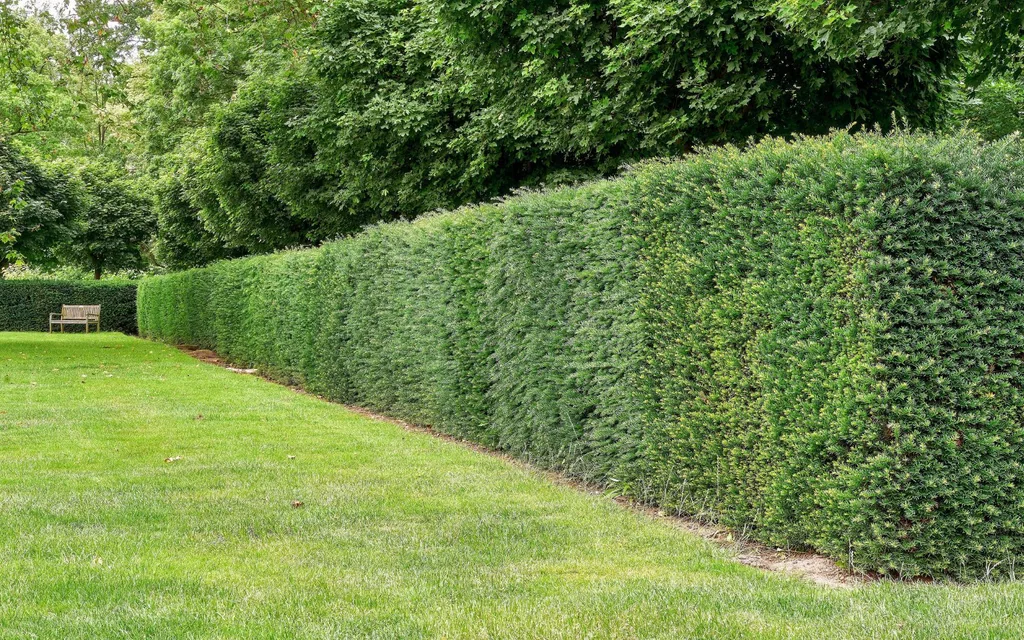
Classic and classy, yew (Taxus baccata) has been the hedging plant of choice for centuries, shaping the garden bones of monasteries, manor houses, castles, chateaux and churchyards across Europe. And it looks every bit as good in modern gardens. Whatever the style, patience is required. Yew is famously slow-growing, putting on about 30cm a year. This is matched by its extraordinary longevity — several specimens are believed to be several millennia old. Its dark evergreen foliage clips beautifully, the fine needles easily forming dense walls, crisp lines or sculptural domes and topiary. One caveat: yew hates waterlogged soil and prefers good drainage.
The look is: sophisticated
Read next:
- Your August gardening guide: What to sow, harvest and prune
- The art of the coastal garden: Beauty shaped by wind, waves and salt
- Take a tour of this thriving Waiheke Island garden

