

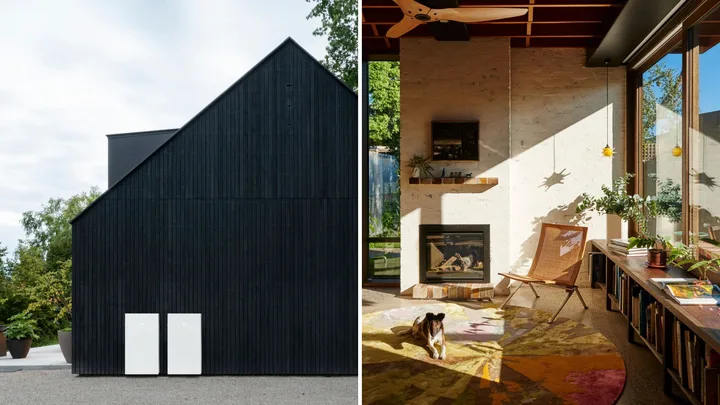
The journey to achieving a sustainable home is not an all-or-nothing situation. Start small with something that feels achievable and build on it. Remember, the cumulative effect of incremental change is massive.
What does sustainability mean?
When we think about what it means to be sustainable, the default position often can be: “Is this bad for the environment?” But environmental protection is only one of the pillars of sustainability.
Minimising our negative impact on the environment:
In the context of our home, environmental protections include the use of eco-friendly materials and factoring in water conservation and energy efficiency into design. Maybe that’s as simple as being more mindful when choosing your dishwasher or washing machine, or, at the other end of the spectrum, investing in solar panels and utilising rainwater harvesting.
How have the products you have chosen been manufactured, and what was their impact on the environment during that process? For example, when deciding whether to choose wool or synthetic carpet, it’s important to know that the latter will use a lot more chemicals during manufacture, which will be more impactful on the environment. This information won’t always be readily available, but it is something to always bear in mind.
For the ultimate sustainable switch, consider powering your home with a solar-powered home battery system. Harnessing the limitless, renewable power of the sun not only lessens the cost of your energy bills but also your reliance on our Earth’s resources.
Home solar systems like Lightforce Solar and Tesla Powerwall store solar energy so when the grid goes down, your power stays on, thus offering peace of mind, especially for those living in coastal and rural areas.

Economic viability and investment:
This is a big one. A home must be financially sustainable at inception (how much you spend and how you finance your renovation, for example) and through its life (the cost of repairs and maintenance). That means not overextending to fund the project while also investing in quality products and materials that are going to stand the test of time.
Tapware is a great example of this – you interact with it every single day, so it’s something to invest in to ensure you will get decades of use out of it. Tapware is not something that should fail in two years – and if it does the cost is two-fold. The old tap goes to landfill and the new tap costs money to source and install.
Looking at ways to design your home to improve efficiency falls into this category as well – insulation and double glazing are two other investment areas during building, but they improve the energy efficiency of the home. In the longer term, this will help keep the operating costs of the home down, for example, the heating and cooling bill.

The impact of social equity
This third pillar is the one that is most often overlooked, but it is the area of sustainability I am most passionate about. Social equity emphasises the importance of promoting occupant wellbeing – does the design support those who live in the space and balance this with the broader social impacts of construction on our community?
This could be as simple as ensuring you’re hiring local contractors and purchasing your decor, fixtures and materials from nearby stores. This reduces transportation emissions as well as contributes to the economic well-being of our community. Protecting cultural or heritage elements in the design also forms part of this, whether your home is in an overlay area or not.
How can you make your home more sustainable?

Solar energy
It’s one of the most transformative ways to make your home more sustainable, lessening the load on the earth’s resources and your wallet. Making the switch to solar power doesn’t require the complete exterior overhaul that it used to. Modern, compact home-battery systems like Tesla’s Powerwall 3 store energy generated by solar or from the grid using a fully integrated solar inverter. This stored energy can then be used to power the home, reducing reliance on the grid and lowering electricity costs. Solar panels like Lightforce Solar or home battery systems like the Powerwall 3 also provide backup power during grid outages.
Homewares
I love homewares that come from travel – bits and pieces collected from makers all over the world – and from local creatives. New Zealand is home to some very talented potters who source their materials locally and make their wares. Think platters, serveware and vases, but also day-to-day items such as dinnerware and mugs. Collective markets are a great place to discover talented makers in your community – and what better way to support their endeavours than choosing some of their products to take home?
Similarly, for items such as cushions and throws, err on the side of less is more. Opt for wool or down inners and natural outers such as wool, silk or linen; choose one or two statement cushions rather than multiple examples made of polyester on the inside and outside. We have an abundance of wool in New Zealand and plenty of local companies are being creative with it. Utilise the Campaign for Wool charity website to find small businesses doing great things for the home with wool
Furniture
First of all, the most sustainable thing you can do is work with what you’ve got. Does your existing furniture still have plenty of life left, but is a bit worn? You might be able to refurbish it. If it’s no longer to your taste, can you sell it or donate it to a local charity store?
Another question to ask: Does your new furniture have to be new? A solid piece of timber that’s already survived 50 years is highly likely to survive 50 more. Can you say the same about that too-good-to-be-true-priced furniture? It won’t be solid timber for one, and the chemicals that go into making a piece of furniture made out of MDF or particle board with a lacquered finish are eye-watering.

Don’t be put off by a solid piece of timber that has legs or knobs you don’t like, or a top covered in watermarks and stains, either. None of that is insurmountable as legs and knobs can be changed for something more to your taste – and there is very little an orbital sander can’t get rid of with a bit of elbow grease. I’ve refurbished several sets of drawers that took no more than an hour to sand, then put on a few coats of natural oil or beeswax and you’re done. The task will be even easier if you use a commercial-grade sander from a local hire store. This also means you’re not spending money on a cheaper power tool you’re potentially only going to use once and might not have the stability to survive more than a couple of upcycling projects.
If you are buying new, aim to purchase something solid that is made of solid timber or timber-framed and is locally designed and made. Bonus points if it’s made with FSC-certified timber, which means it comes from certified forests that are continuously replenished and haven’t damaged the surrounding environment.
.
Textiles and soft furnishings:
There are two more sustainable options when it comes to textile selection – natural fibres such as hemp, linen, wool, cotton and silk; or synthetics that are Oeko-Tex certified. That means they’ve been manufactured without any nasty chemicals, which is a lot better for the health and wellbeing of the occupants, as the fabric won’t emit any VOCs. VOC stands for “volatile organic compounds” and is a reference to gases that are emitted from products due to the way they were manufactured.
There is a third option for fabrics as well – recycled materials, like those made of old PET bottles. This is great in terms of addressing the issue of single-use plastic, but be mindful that single-use plastics often contain BPA or BPS and, when they’re recycled into fabrics for your curtains, you risk bringing those chemicals into your home. It’s great that there are innovative companies out there creating solutions that mitigate the impact of single-use plastics on landfills, but we should be addressing the issue at its core, and working to reduce the use of single-use plastics instead.
As with anything, textile selection needs to balance aesthetics and function as well as sustainability. Not all fabrics are created equal, so make sure you seek guidance on what can be used as curtains versus upholstery, as it will differ greatly.

Paint and maintenance
There’s no getting around it, most homes require a lick of paint at some point. Inside and out, whether it’s the first coat or a maintenance coat, it can’t be avoided. Paint has historically had a petrochemical base, but there have been a lot of advances in the way it’s made now without compromising on quality.
New to the market is plant-based (or vegan) paint. It’s a great option that balances a quality finish with a natural ingredients list but it isn’t suitable for all applications. When it comes to choosing from a traditional range of paints, keeping an eye out for low or no-added VOC paints, which ensures both the applicator and the occupier (whether that’s you or someone else doing the painting for you) aren’t exposed to unnecessary fumes, and there’s less of a need to let the room “off-gas” before moving back into it, especially for bedrooms. These days big paint manufacturers, Resene paints are mostly vegan and low VOC, and Dulux paints are all vegan.
Several initiatives exist to help with recycling leftover paint and/or the pails they come in, such as PaintWise. Keep an eye out for take-back options where spare paint is donated to community projects, for example.
Related articles:
- Inside a peaceful and sustainable garden in the heart of Christchurch
- The sustainable materials to consider when building or renovating your home
- Shop these stylish (and sustainable) kitchen items


Related stories
Native ad body.

Native ad body.

Native ad body.

The case for year-round outdoor living


Share this post