

Spring is in full swing; the roses, irises, delphiniums and all those other gorgeous shrubs and perennials are looking fabulous.
The trees will have never been more vividly green and the days are longer and warmer. What is there not to love about this time of year?
Take time out from your own busy time in the garden to look at other people’s gardens. Walk around your neighbourhood – or visit one on the other side of town. Go on a garden tour or two. Check out your local botanic gardens. Get inspired or just revel in the loveliness.
Chores
It should be warm enough everywhere to direct sow and plant out beans, beetroot, carrots, courgettes, cucurbits (cucumber, melon, pumpkin, squash, etc), lettuce, silver beet, spring onions and sweet corn.
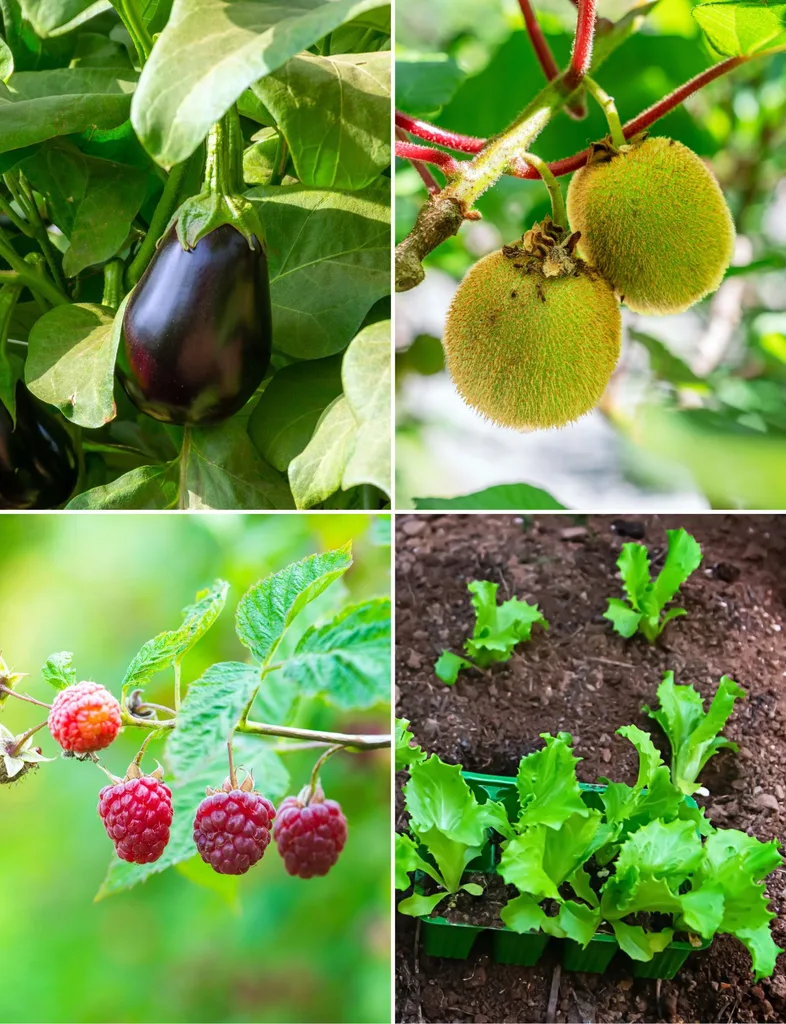
Plant out seedlings of tomato, eggplant, capsicum and chilli.
Plant raspberries, blueberries, boysenberries, gooseberries, citrus, feijoa, tamarillo, grape, kiwifruit and passionfruit. Enrich the soil well when planting.
For summer flowers, plant seedlings now.
Steal this look
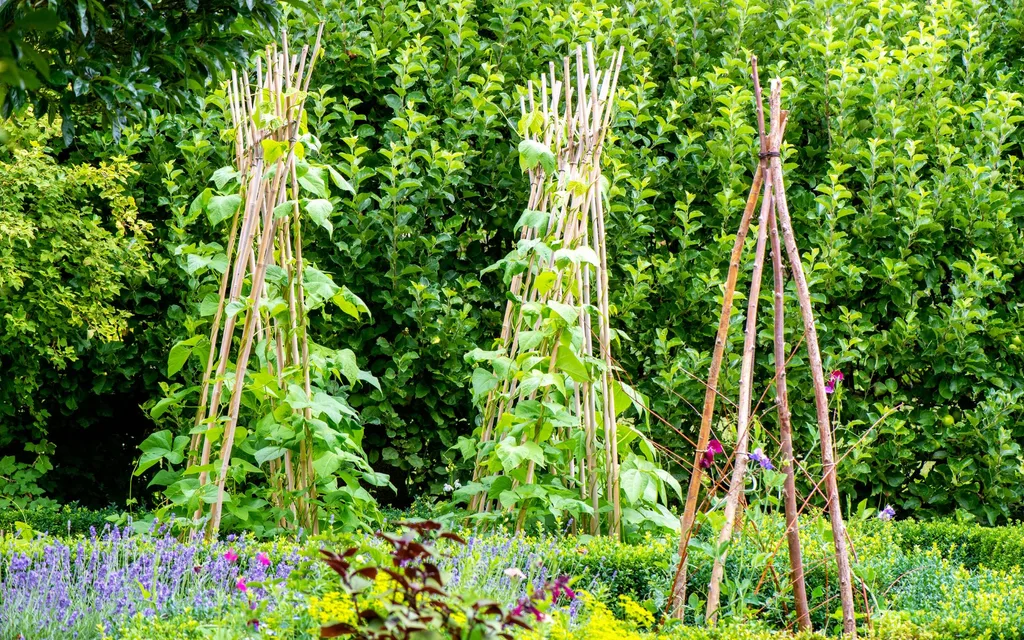
These traditional row wigwams give a vegetable garden an often much-needed (aesthetically and practically) vertical element. Two long, parallel lines of angled stakes, such as bamboo or hazel poles, are tied together along a horizontal ridge line, creating a stable growing structure for climbing vegetables, from beans and loofahs to cucumbers and sweetpeas.
To build, mark out two parallel lines, about 50cm apart – this width will depend on the length of your poles. Push the poles at least 20cm deep and about 40cm apart into the soil, then tilt inward so opposite pairs cross over near the top and lash with strong twine. Lay a horizontal pole across the top, in the V-shape and tie this to each crossing point to secure the entire row together. To create more latch-on points for the vines, at two or three intervals up the structure, run twine from one end of the row to the other, then wrap it around each pole as it passes over it. For tomatoes, dangle twine from the ridge pole to the ground alongside each plant and twist around the plant as it grows.
Food for thought
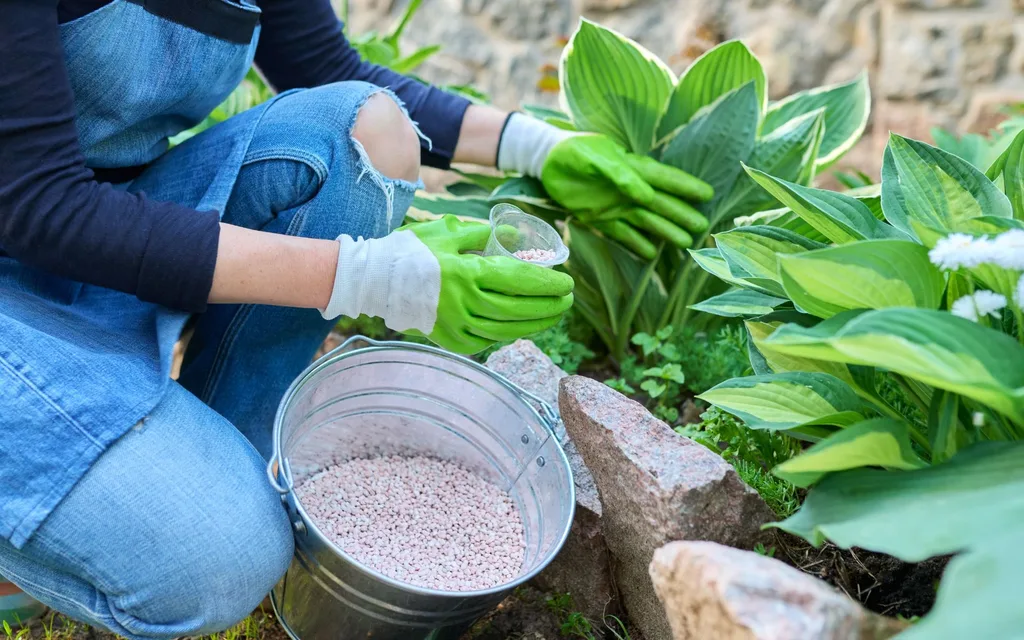
As soil warms and plants come into active growth, November is a good time to feed. Give established shrubs and vigorous growers a balanced fertiliser or sheep pellets. Flowering shrubs and perennials will benefit from a balanced fertiliser (that is one with equal proportions of NPK – nitrogen, phosphorus and potassium) to support growth and flowering, while fruit trees and berry plants can be fed with a fruit-and-flower fertiliser, which contains extra potassium. Feed citrus with a citrus fertiliser of nitrogen, potassium, magnesium and iron. Once spring bulbs have finished flowering, leave the foliage to die back naturally and give them a light application of blood and bone or bulb fertiliser (NPK, plus calcium and magnesium).

Protect your precious crop
Placing straw, wood shavings or pine needles around the plants will keep fruit off the ground and in danger of rotting, or of being eaten by slugs.
Consider netting stone fruit, berries and cherries against birds. Netting bags can be tied around precious fruit, such as bunches of grapes and figs – it’s a pain, but well worth it.
How to plant tomatoes
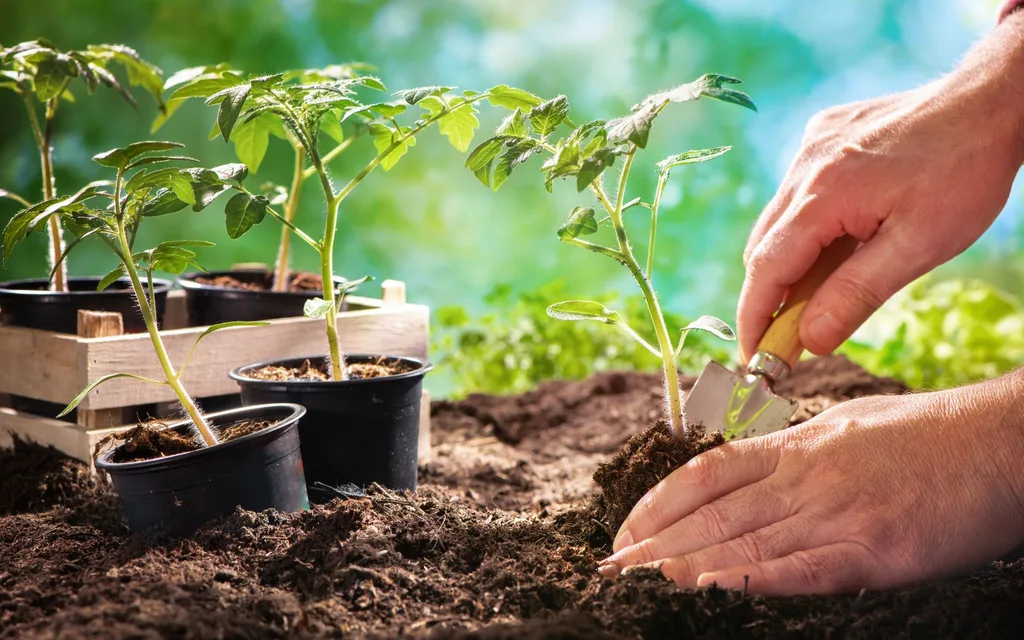
Choose a sunny spot with free-draining soil. If growing in pots, choose containers large enough to hold at least 10 litres of soil per plant. Seedlings need to be about 45–60cm apart to allow good air circulation – and avoid fungal diseases. Plant deeply, burying part of the stem and removing any lower leaves that would otherwise be below the soil, where they may rot. Roots will develop along the buried stem, giving plants better anchorage and helping them cope with wind. Water well at planting, then water deeply whenever the top 50mm of soil becomes dry. Stake or provide support at planting time to avoid damaging the roots later. PS: If you don’t have a favourite tomato variety, ask around to find out what grows well in your area. Some varieties perform considerably better in particular climates and growing conditions.
Read next:
- Get the subtropical look in your garden
- Where to buy the best outdoor furniture, and how to style it in your space
- Your guide to creating beautiful floral displays

