

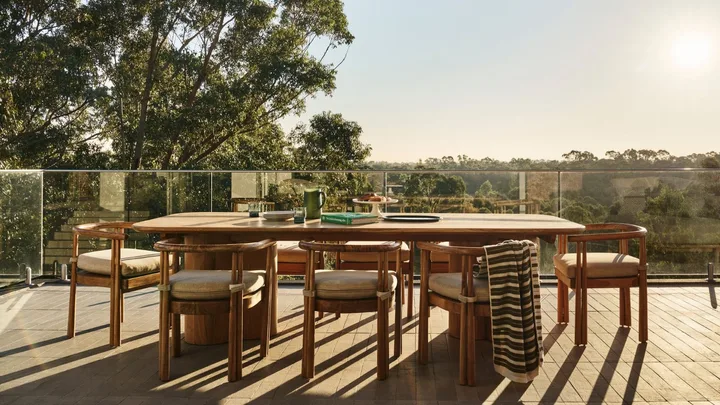
Kiwis have always loved the outdoors – especially now that they’re coming with a few more creature comforts. Outdoor rooms have been on the rise in New Zealand and for good reason – it’s an obvious way to gain more living space without adding another room. Done well, an outdoor room gives you somewhere to eat, relax and entertain. Having one can keep barbecue mess, wet towels and a procession of guests out of the house and, importantly, give you a way to actually enjoy that garden and the lawn you’ve sweated over.
An outdoor room can be anything from an L-shaped couch beneath an off-the-shelf pergola to a fully equipped entertaining space with an outdoor kitchen, heating and enough luxury touches to make you forget you’re technically in the garden. But there’s a knack to creating a great outdoor room beyond simply putting some furniture outside and hoping for the best.
1. Get the flow right
Before buying a single chair, find out how people will actually use the space. The layout should be dictated by movement and function rather than perfect symmetry. Where will people walk? Where will they sit? Where will food be served? Can someone pull out their chair from the dining table without getting trapped by the outdoor fire?
Allow plenty of room around the furniture for people to move comfortably in the space. You want guests to be able to wander easily between inside and out, rather than navigating an obstacle course of furniture and plants.
Expert advice: “Allow at least 900mm for main walkways and closer to 1200mm around dining areas or anywhere people are passing behind chairs,” advises Little & Fox’s creative director and founder, Asha Payton. “Always plan the space with the furniture pulled out and in use, not just neatly tucked in, as that’s how you’ll find out if the layout actually works.”
2. Create zones
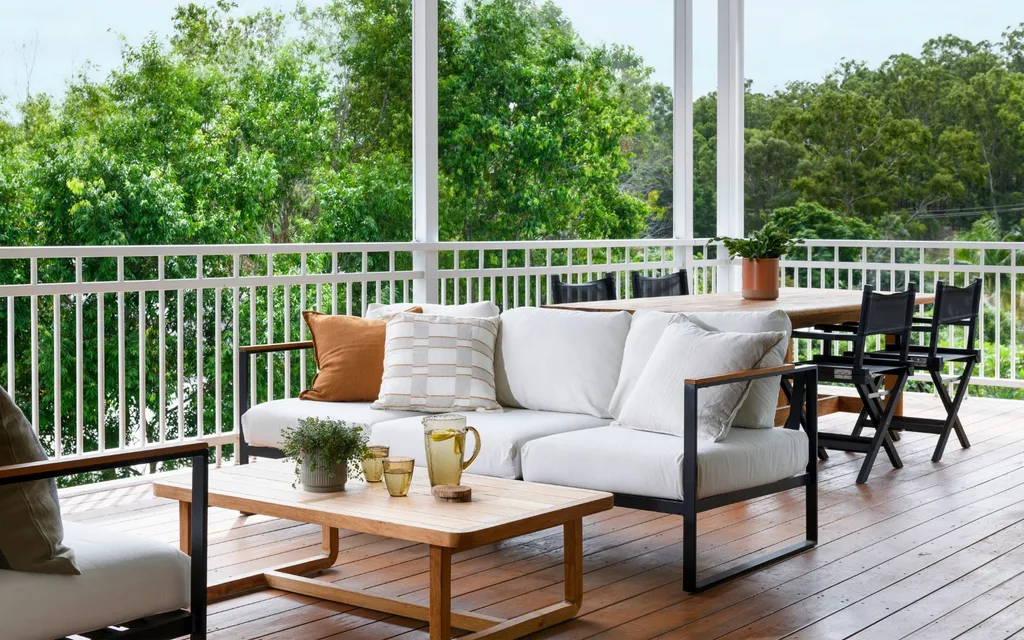
Just as an open-plan house works better with defined areas for different activities, an outdoor room benefits from having distinct zones. Think eating, lounging, cooking and socialising rather than trying to make one giant space do everything.
Zoning gives the space a sense of purpose and makes it easier to use. A dining table naturally becomes the place for long lunches and family dinners, while a sofa or chairs create a more relaxed spot for coffee, conversation or winding down. A barbecue or outdoor kitchen can form its own cooking zone, keeping the practical elements together and away from where people are relaxing.
You don’t necessarily need walls or screens to create these divisions. A change in flooring, an outdoor rug, different lighting, furniture placement and planting, or even the direction furniture faces can subtly define each area.
Expert advice: “I always think about how you want to use the space first, rather than simply filling it with outdoor furniture. Create different zones for relaxing, dining and entertaining and choose pieces that are comfortable enough to encourage people to linger. The goal is for the outdoor room to feel like another living space,” says Olivia Kennedy, lead interior designer at Mae Studio.
3. Choose furniture to match the way you live
A dining table and chairs are useful, but they shouldn’t automatically be the starting and finishing point. Ask yourself what would make this space somewhere you naturally gravitate towards. Perhaps that’s a deep sofa and coffee table for afternoon drinks that turn into late dinners, a couple of loungers for reading, side tables for putting down a glass, or built-in seating that makes clever use of an awkward corner.
Look for furniture that is sturdy enough for outdoor life but comfortable enough that people actually want to sit on it. When choosing furniture, consider scale, as well as comfort. Outdoor furniture can be surprisingly bulky, so measure carefully before falling in love with that enormous corner sofa. And don’t go too small – for longevity, you want your outdoor furniture to be sturdy and have some weight to it.

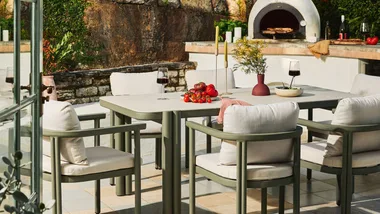
Expert advice: “Mix fixed pieces, such as a dining table, with furniture that can move and be used in more than one space. A bench on one side of a dining table is great because it keeps the setting feeling open and can be pulled around to face the fire when needed. Likewise, a big, shaggy wool beanbag to snuggle into,” says Asha.
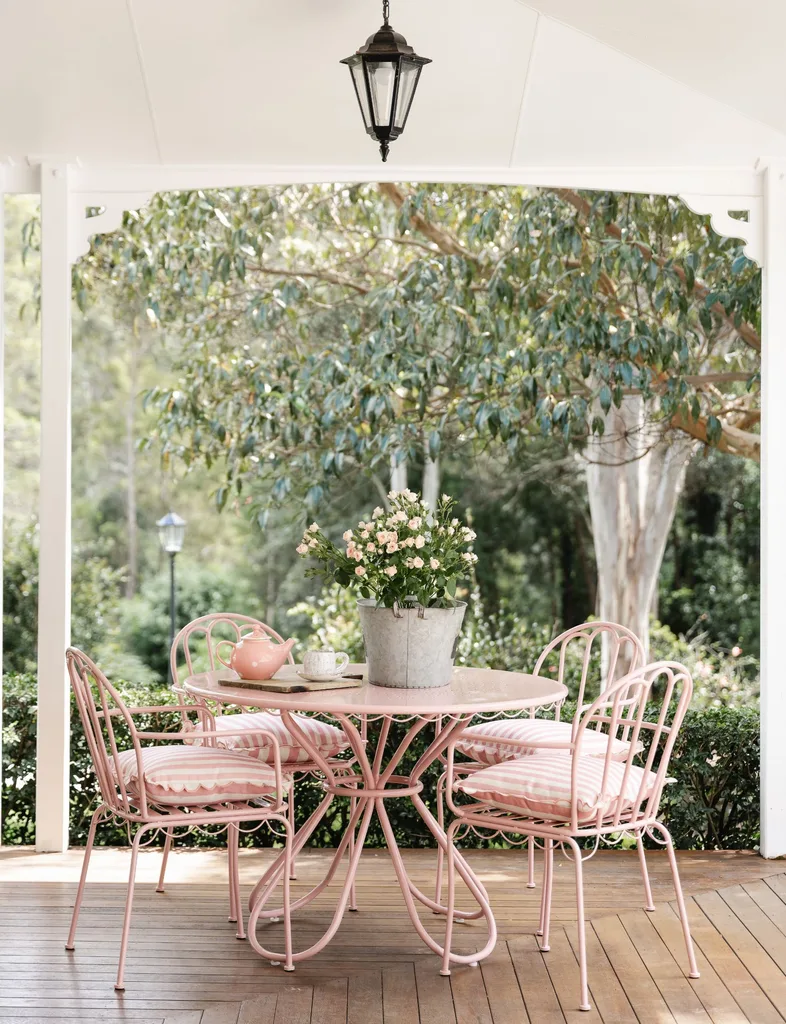
4. Make it feel like it belongs
While a random Bali beach hut might suit some homes, most outdoor rooms work best when they feel like a natural extension of the house. That doesn’t mean everything has to match, but repeating some of the colours, materials or architectural details used indoors creates a stronger visual connection.
The aim is for the transition between the two spaces to feel deliberate rather than like you’ve wandered into a completely different house.
Expert advice: “An outdoor room should feel like a natural extension of the interior, rather than a completely separate space. Repeating materials, colours and textures from inside, even in small details like upholstery, timber tones or stone, helps to create a cohesive flow between the two,” says Olivia.
5. Add some style
Outdoor furniture no longer needs to look like it was designed to survive an airport runway. There’s a huge range of stylish, comfortable and genuinely good-looking outdoor furniture available, so treat the space with the same design consideration you would give an indoor room.
Rather than buying an entire matching furniture suite, consider mixing materials and textures. Timber, stone, metal, woven materials and greenery create a much richer palette. Potted plants are particularly useful for softening hard surfaces and blending nature with functionality.
Think of it as decorating – just with things that can cope with a bit more weather.
Expert advice: “One of the easiest ways to make an outdoor area feel more designed is to introduce something unexpected,” says Asha. “Think a sculptural chair, an oversized lamp (look up Fatboy lighting from the Netherlands), a bold stripe or a beautiful vintage find. Outdoor spaces can handle a little more personality than people think and that one standout element is often what stops the whole area from feeling generic.”
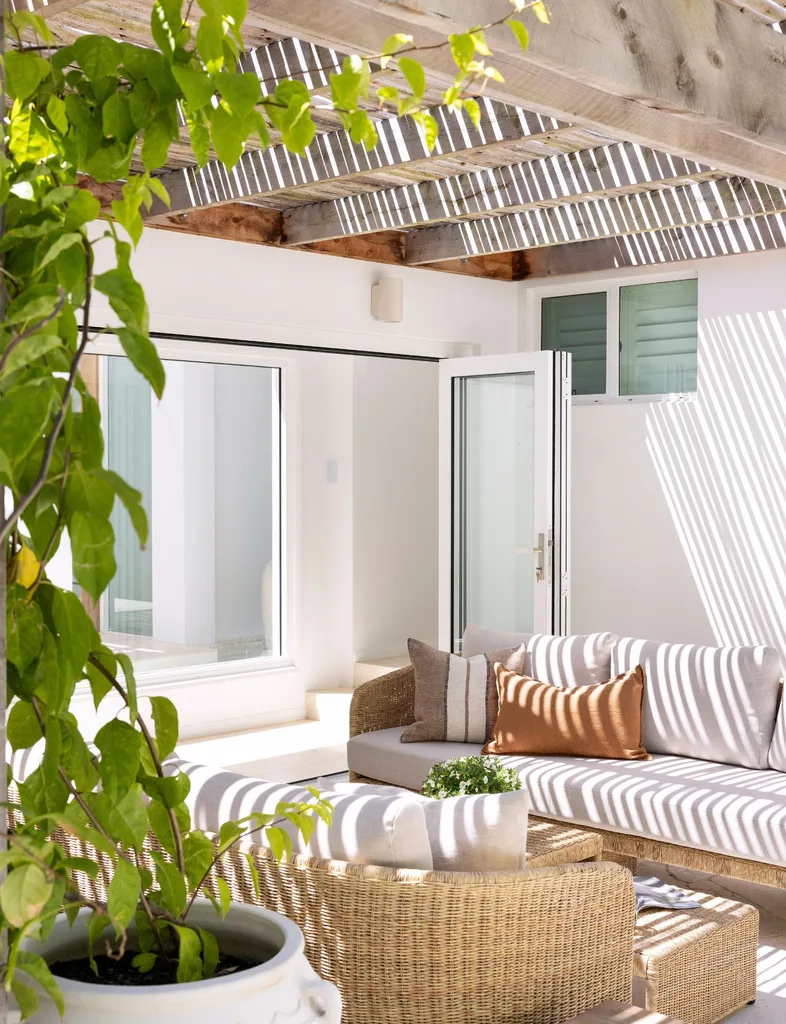
6. Layer your lighting
Outdoor lighting should do more than stop you from tripping over the dog after dark. Ideally, it performs three jobs: illuminating areas where you need to see, creating atmosphere and drawing attention to the parts of the garden or architecture you want to highlight.
Avoid the temptation to flood the entire outdoor area with bright light. Instead, layer it. LED lighting along steps or the floor can provide subtle guidance, festoon lights add a cheerful glow, while a soft lamp on an outdoor table creates a cosy spot for cards or late-night conversations.
And remember to light the garden, too. You can’t beat a beautifully lit tree or planting area.
Expert advice: “Good lighting is what makes an outdoor kitchen work after dark. Consider task lighting over the barbecue or prep area, but go easy because it’s important not to ruin the vibe. Use softer, grounded and warmer lighting around the perimeter so it feels relaxed, but you can still see what you’re doing and eating,” explains Asha. “And mix it up, too, with candles and lamps on the tables, to pendants and lighting in steps.” Olivia agrees. “Lighting is such an important part of making an outdoor room feel inviting after dark – it’s what creates warmth and atmosphere,” says Olivia.
7. Design for the weather
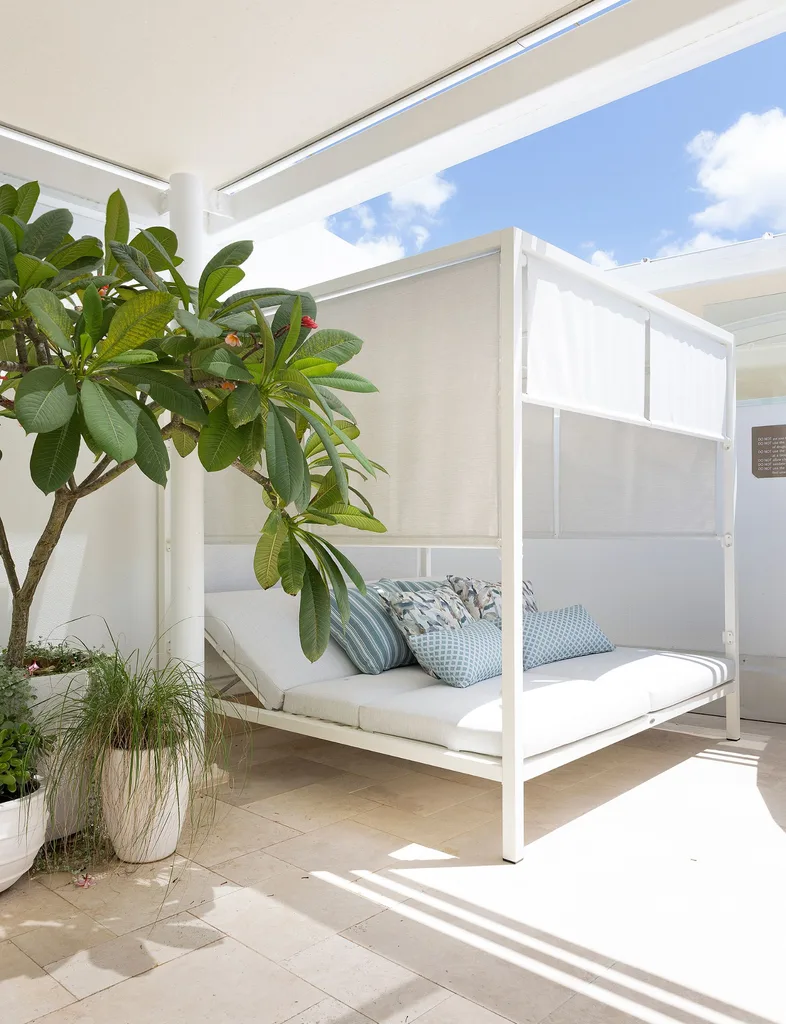
An outdoor room is only as successful as it is usable, which in New Zealand means giving serious thought to shelter.
Pergolas, awnings, louvres, screens and umbrellas aren’t simply decorative extras. They determine whether you’re comfortably sipping a drink outside or frantically dragging cushions indoors because the weather has changed again.
If you’re going for a louvre roof, think about where the sun hits at different times of day, which direction the prevailing weather comes from and how you can maintain airflow on hot, still days. The direction of the slats can make a surprising difference to how much sun you get when you want it. And if you want a genuinely all-weather outdoor room, a fixed roof may be the better option.
Expert advice: “In New Zealand, you really need to design an outdoor room around the weather, not just the way you want it to look. Where possible, create flexibility so the space can adapt throughout the day and across the seasons,” says Olivia.
8. Keep everyone warm
There’s no reason the outdoor room has to close down when summer does. Heating can turn the area into a genuinely useful space throughout autumn and spring – and even into winter.
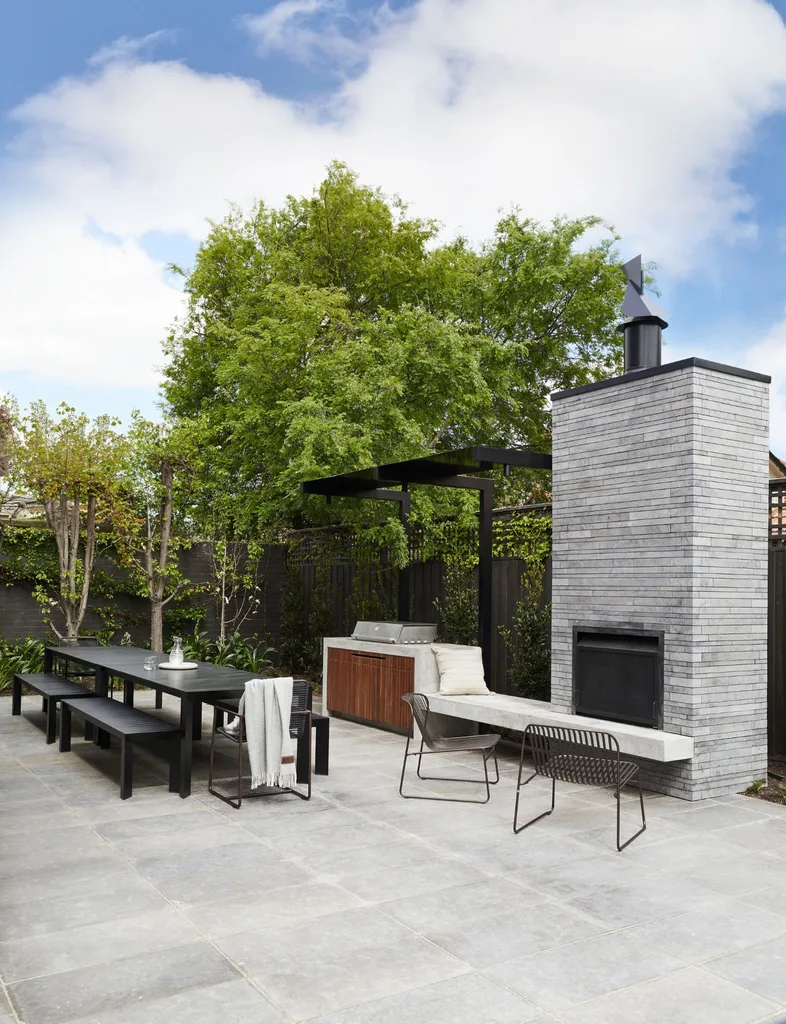
Options range from heaters installed into the roof to smaller gas fires, while a built-in outdoor fireplace can become a real focal point. There’s also something about sitting around an open fire that makes people linger considerably longer than they intended.
And keep a stash of cosy blankets nearby. They’re practical, they look good draped over a sofa and guests can take the chill off and be warm without retreating indoors.
9. If you have the space, take the kitchen outside
An outdoor kitchen doesn’t have to mean recreating the entire kitchen outside (though that could be nice). At its simplest, it could be a bench along one wall with space for a barbecue or pizza oven. If you have room and the budget, add a sink, beverage fridge and built-in barbecue.
Expert advice: The cleverest outdoor kitchens also reduce the amount of time you need to trek inside. Keep a supply of outdoor-friendly glasses, platters, serving bowls and napkins out there, so you’re not repeatedly making the indoor-outdoor pilgrimage every time someone needs another plate.
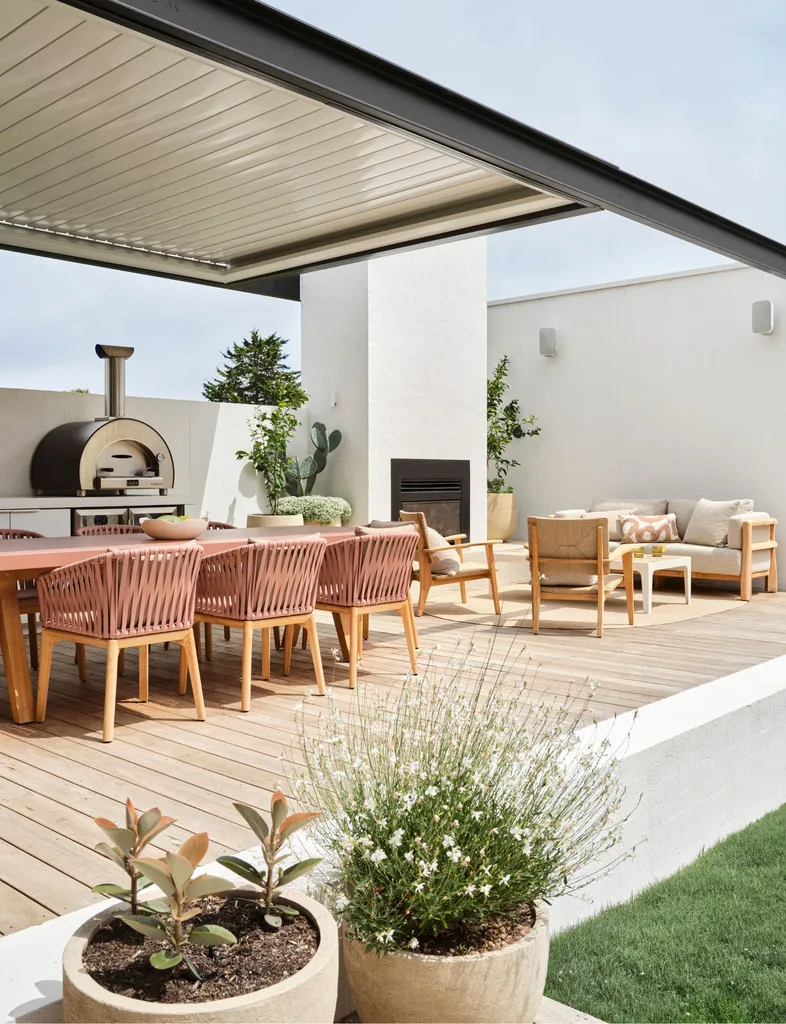
10. Add the creature comforts
Once the basics are sorted, you can have some fun. If your budget and property allow, an outdoor room can become considerably more than a covered patio. Built-in speakers, a permanent pizza oven, a teppanyaki grill and a drinks fridge can all take entertaining up a notch. For the truly committed, we’ve even seen outdoor bathrooms, meaning guests don’t need to traipse through the house after spending the evening outside.
Expert advice: Luxury doesn’t have to mean extravagant. Sometimes the best creature comforts are the simple ones: a basket of blankets, somewhere to put your drink, a good candle and everything you need within arm’s reach.
Read next:
- Where to buy the best outdoor furniture, and how to style it in your space
- Jayne Kiely’s tips on achieving indoor-outdoor flow
- Get the subtropical look in your garden

