

 Photo: Canva
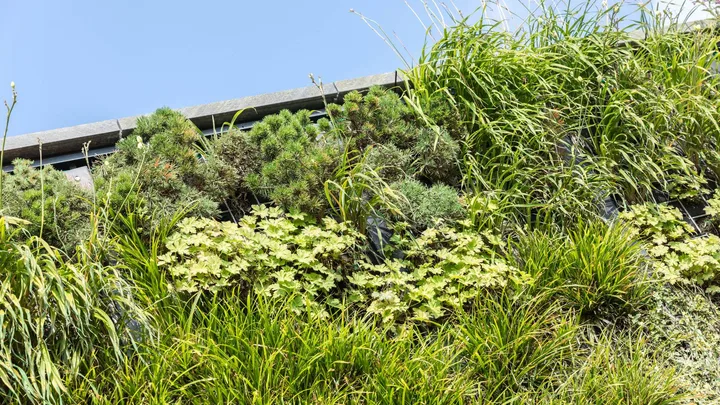
Vertical gardens make a fabulous statement indoors or out. They’re a wonderful way to add greenery to unused spaces. Perfect for awkward walls and outdoor areas, vertical gardens offer privacy, lush foliage, and a way to disguise unattractive surfaces. They’re also ideal for growing plants that usually need a vegetable patch.
With so many options available, we asked the experts to share their top vertical garden ideas. They reveal the dos and don’ts of installation, plus their best tips for choosing plants that thrive vertically.
What are the different types of vertical gardens?
With vertical garden walls growing in popularity, many engineered options are now self-watering and offer container garden-style depth and functionality. Ready-made systems can be custom-designed to suit your space and may include irrigation, plants, and maintenance services. Basic modular kits are available at most hardware stores, or you can try DIY vertical gardens using new or upcycled items.
Another option is a “pocket” garden, where plants are tucked into pockets made from recycled plastic, felt, or canvas. These pockets are lined for moisture retention and attached to a wall-hung rail or timber batten. It’s a simple, affordable choice for budget-conscious gardeners.
Factors to consider when planting your vertical garden
- How prepared you are to maintain it
- How much space you have
- Your climate and the orientation of your wall
- The types of plants you’d like to grow
- Whether to grow food or simply enjoy the aesthetic appeal
The easiest option is a container-style vertical garden, using potted plants—terracotta, plastic, or metal—attached to a wall or clip-in system. “Our patented ‘Skale’ system is ideal for residential spaces,” says Sam Collins, general manager at Vertikal. “It features individual pots housed in a routed polymer substructure that can be screw-fixed to most walls. These pots are easy to swap out as the garden matures. The goal is to maintain textural consistency and prevent plants from outgrowing the space.”
Many specialist companies offer package options for residential settings, including the trending circular vertical gardens. “We also create custom-sized gardens that can be made to any dimension,” says Jamie Papalia, director of Vertical Gardens Australia. His range includes various sizes for both rectangular and round designs.
“The other main type of green wall is a hydroponic system using pre-planted modules with a growing medium,” says Sam. “These can work in residential settings, but maintenance can be difficult without expertise. It’s also challenging to restrict plant growth due to the larger soil volume.”

How do you choose the best plants for a vertical garden?
Different plants need different levels of care. Choose species that suit your lifestyle and the garden’s sunlight orientation. The best results come from specialists who have tested many plant varieties in different settings. “DIY vertical gardens can cause problems if you don’t understand which plants thrive in specific environments,” says Sam. “We supply plants suited to all conditions, from full sun to part shade, full shade, and indoor light levels.”
Succulents are popular low-maintenance choices for vertical gardens, along with creepers, ferns, flowering annuals, herbs, and trailing plants like Devil’s Ivy. If you’re new to gardening, start with low-maintenance species before tackling plants that need more care. “Most herbs are seasonal and leave exposed hardware once they die back,” Sam warns. “It’s not always attractive.” “Edible plants also prefer full sun, so correct orientation is essential.”
Jamie says a thoughtful mix of plants creates the most visual impact. He suggests blending different colours and textures for interest. “Purple heucheras are stunning and offer great colour and contrast,” he says. Sam agrees. “Most species we use are subtropical, as natives generally don’t perform well in vertical gardens,” he explains.
Where should you install a vertical garden?
“A vertical garden can go almost anywhere,” says Sam. “People often install them on entrance walls, garage walls, around swimming pools, as kitchen splashbacks, alongside paths or fences, on balconies, and in external showers or internal atriums.” You can attach a vertical garden to nearly any indoor or outdoor wall, but choose plants that suit the location for the best results.
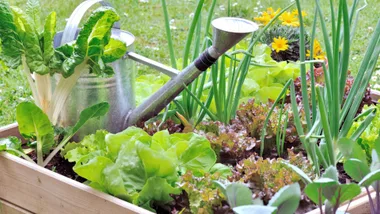
Group plants that thrive in similar light conditions—either full sun or full shade—and that share similar growth rates and characteristics. Consult an expert and get creative. Use your vertical garden to make a statement, disguise a tricky spot, or highlight a beautiful feature.
Even a small yard or garden has variances in air, light, soil, and water known as microclimates. You will need to consider the temperature, patterns of light, humidity distribution and air circulation. These factors are not just for determining the location of your vertical garden, but will also assist you in working out what plants will do well.
How much effort do they take to look after?
Be realistic about your ability to care for the plants once they’re in place. “There is no such thing as a ‘low maintenance vertical garden, ’” says Sam. If you’re a keen gardener ready to experiment, you’ll find tending a vertical garden just as rewarding as a conventional one. Perhaps a vertical herb garden would capture the sun where a regular vegetable garden cannot, but it needs at least the same amount of care.
At first, it might need more care than a regular in-the-ground garden or container plant. These living walls use less soil and take up less space, so you’ll need to water them more often. An irrigation system helps by delivering a steady water supply to your plants. “As each pot has a hole at the base, water drips through and feeds the next level of plants,” says Jamie. A battery-operated, commercial-grade timer controls the irrigation system, watering your garden according to its aspect and size.
“Just like your regular garden, your vertical garden requires ongoing maintenance,” says Jamie. “We recommend quarterly maintenance so you can adjust the irrigation system each season and give plants the right amount of water for their environment.”
The correct potting soil mix can help retain water and hold in moisture, and incorporating peat moss in the mix helps water retention. Another important factor is gravity, which pulls the water down. Drought-tolerant plants are recommended for the top part of the vertical garden since they’ll dry out first. Place the ones more suited for wetter conditions at the bottom of the vertical garden. On the upside, small-scale vertical gardens have the advantages of no weeds and reduced ground compaction, so you won’t need to work the soil as hard.
Related articles
- How to start a cut-flower garden
- Cost-effective edible plants that keep on giving
- 9 Gardening gifts for loved ones with a green thumb

