

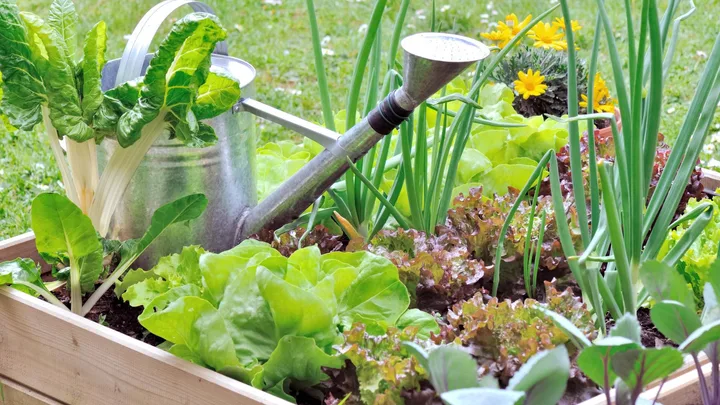
Spring is the most exciting season for Kiwi gardeners. As the soil warms, it’s the perfect time to fill your garden beds with fresh vegetables that thrive in New Zealand’s unique climate.
Spring brings longer daylight hours, warming soil and plenty of moisture – all ideal conditions for plant growth. Starting your garden now means earlier harvests and strong, healthy plants that will carry you through summer. Salad greens, radishes and peas are almost foolproof if you’re just starting. For experienced gardeners, now is the time to plan succession sowing for staggered harvests, or even crop rotation for maximum yield.
Whether you live in the warmer North Island or the cooler South Island, knowing what to plant in September, October, and November will set you up for a bountiful summer harvest.
What to plant in early spring
The weather in September is unpredictable in New Zealand, and, depending on where you are, it may still come with risks of frosts. Therefore, it is best to focus on cool-season crops, such as:
- Broad beans and peas – frost-tolerant and easy to grow
- Spinach, silverbeet, lettuce and rocket – quick crops for salads
- Bassicas including broccoli, cauliflower, kale and cabbage
- Root vegetables like carrots, beetroot, radish, and parsnips
- Spring onions and onions – perfect for long-season growth
You could also consider starting tomatoes, capsicums, chillies, cucumbers, and zucchini indoors or under cover, and transplanting them once the soil has warmed up.
What to plant in mid-spring
By mid-spring, the soil has warmed enough for tender crops. Here’s what to plant in October in NZ:
- Potatoes and sweetcorn – classic Kiwi staples
- Beans – both dwarf and climbing varieties
- Zucchini, cucumbers, and pumpkins – plant out once frost risk passes
- Tomatoes, capsicum and eggplants – transplant seedlings outdoors in warmer regions but use frost cloth if nights are chilly
Tip: Try succession sowing and keep planting salad greens like lettuce and rocket every 2 – 3 weeks for a continuous harvest.
What to plant in late spring
By November, almost anything can go into the veggie garden, especially in the North Island. And if you’re down south, it’s finally safe to plant frost-tender crops outside.
What to plant in November NZ:
- Tomatoes, beans, sweetcorn, cucumbers, zucchini, and pumpkins – all thrive in warmer soil
- Melons and kumara – best suited to warmer northern regions
- Basil and other summer herbs – perfect companions for tomatoes
Related: How to grow and care for cherry tomatoes
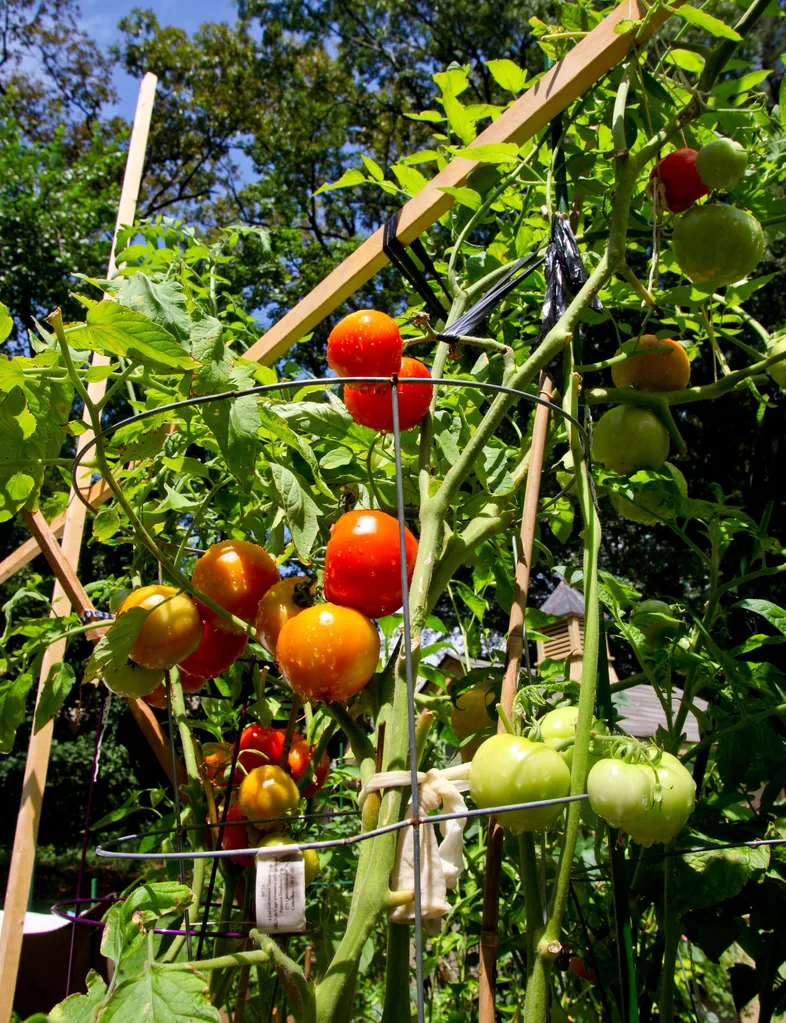
Quick Spring Planting Calendar
| Month | North Island | South Island |
|---|---|---|
|
September
Early spring — cool-season crops
|
|
|
| October |
|
|
| November |
|
|
Planting tips for success:
- Prepare the soil: Add compost, sheep pallets or aged manure before planting heavy feeders like corn and tomatoes.
- Watch for frosts: Use cloches, tunnels, or frost cloth in cooler regions.
- Companion planting: Try basil with tomatoes, marigolds to deter pests, and nasturtiums to attract pollinators.
- Stagger plantings: Sow in small batches for continuous harvests
Spring companion planting
Companion planting is the practice of growing certain plants together to create a healthier, more productive garden. Some combinations deter common pests naturally, reducing the need for sprays. For example, marigolds planted near tomatoes help keep away whitefly and aphids. Others can improve plant health and even flavour, such as basil which is known to enhance the taste of tomatoes while also repelling insects.
Companion planting also helps maximise space and balance nutrients in the soil. Fast-growing radishes can be planted between slower crops like cucumbers, while beans enrich the soil with nitrogen, benefitting leafy greens grown alongside. Whether you’re a beginner gardener or more experienced, pairing your vegetables thoughtfully is an easy way to grow a more resilient spring garden.
| Vegetable | Best Companion Plants | Avoid Planting With |
|---|---|---|
| Tomatoes |
|
Potatoes, fennel, corn |
| Beans |
|
Onions, garlic, leeks |
| Carrots |
|
Dill, parsnip |
| Cucumbers |
|
Potatoes, aromatic herbs (like sage) |
| Lettuce |
|
Parsley, brassicas (cabbage, broccoli) |
Spring is the season of growth, so there is no better time to throw on your gumboots and gardening gloves. From sowing hardy greens in September and juicy tomatoes in November, following this spring planting guide will ensure you have a productive garden all season long.
Happy gardening!

