

 Photo: Getty Images
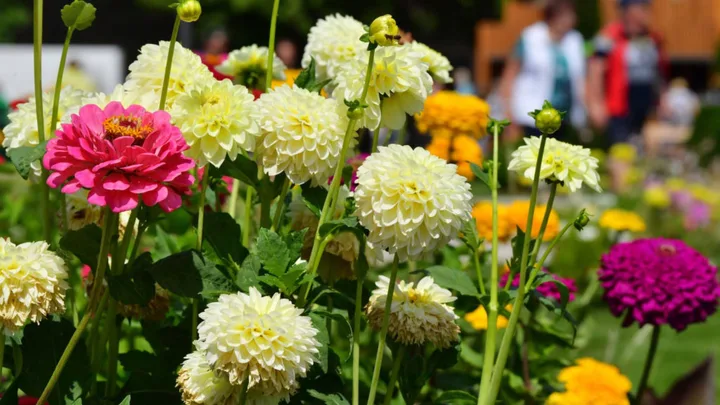
There’s something so magical about wandering around your own garden with secateurs in hand, snipping stems of freshly opened blooms to bring indoors. A well-planned cut flower garden does more than beautify your outdoor space – it lets you supply your own bouquets for yourself, friends and family, and reward your creativity.
Starting a cut-flower garden may seem daunting at first. Which flower to choose, how to sequence planting, and how to care for your stems? With a few guiding principles, you can create a garden that yields flowers for months on end. The key is to blend “ever-bloomers” with seasonal starts, mix annuals and perennials, and choose varieties adapted to New Zealand conditions.
Site, soil, sun, water and bed layout all need to be considered during the planning phase, before you’ve even selected the cut flowers to grow. Whether you’re in Northland, Waikato, Canterbury or Otago, adjusting for timing slightly, there are plenty of varieties that’ll provide a steady supply of blooms to cut, arrange and enjoy.
A step-by-step guide to starting a cut-flower garden
1. Choose the right site
Flowers love sunlight. Select a sunny spot in your garden that receives at least 6 hours of sun daily, ideally with protection from strong winds. A north-facing site is best in most New Zealand regions. Some plants can handle part shade or full shade, such as hellebores and some hydrangea varieties, but always be sure to do your research. Avoid heavy clay or boggy areas, as good drainage is key.
If space is limited, try raised beds or large containers. Even a 2×3 metre patch can produce armfuls of blooms through the seasons.
2. Prepare the soil
Healthy soil will help produce healthy flowers. Work in plenty of compost, aged manure or garden mix to improve structure and fertility. A light, crumbly texture lets roots spread more easily. If your soil feels heavy, add coarse sand or fine pumice to improve aeration.
3. Plan your beds
Designate one area specifically for cutting. This will be easier to manage than picking from mixed borders. Straight rows make sowing, staking, and harvesting simple.
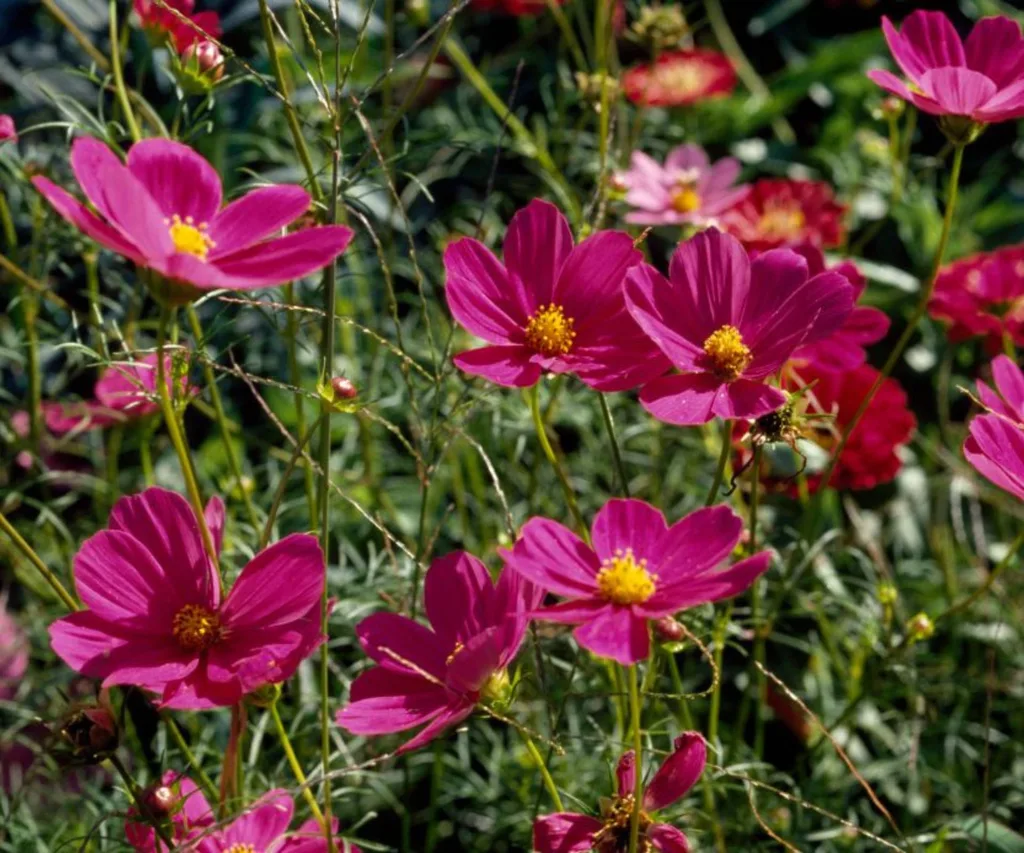
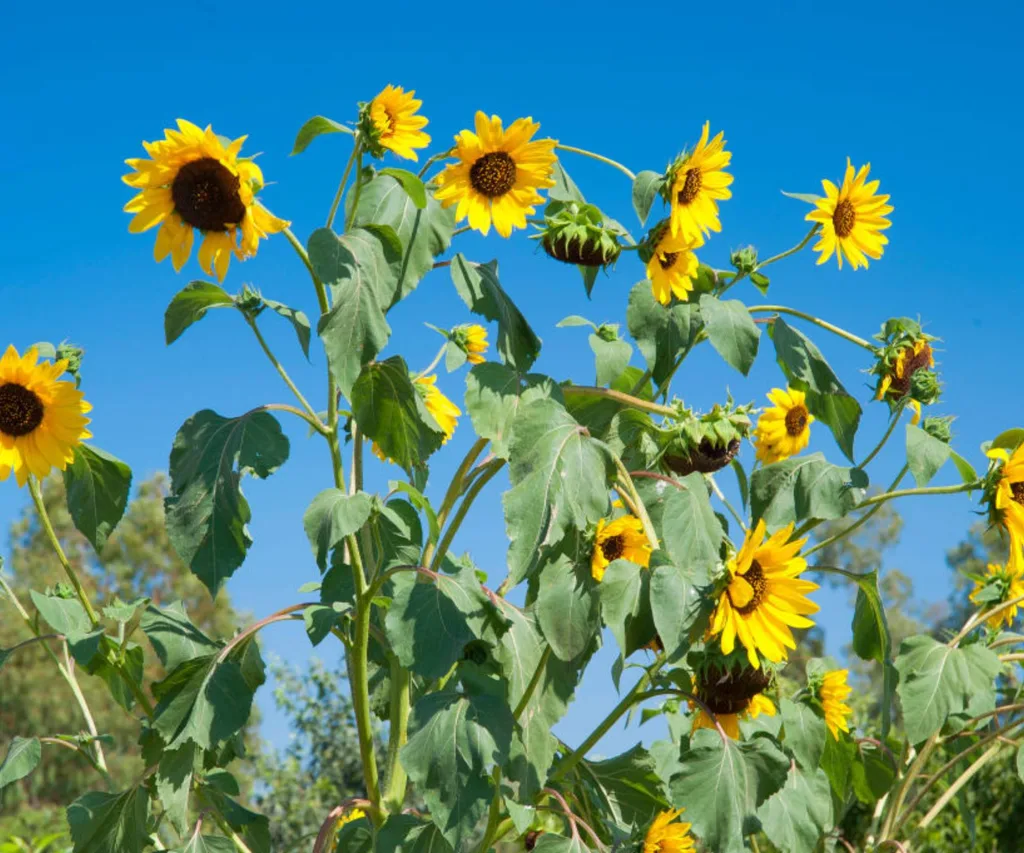
Arrange taller varieties (like dahlias and sunflowers) at the back, medium growers (zinnias, snapdragons, cosmos) in the middle, and shorter fillers (ammi, calendula, stock) in front. Leave paths wide enough for easy access with a watering can or trug for harvesting.
Tip: Think of your garden as a living florist’s shop – include ‘thrillers’, ‘fillers’, and ‘spillers’ for balanced bouquets.
4. Select your flowers
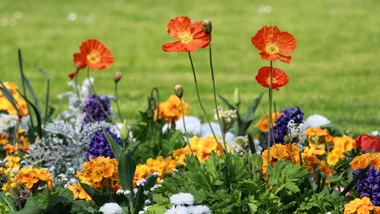
Blend annuals that bloom quickly with perennials that return each year. In New Zealand, consider the following:
Annuals: Zinnias, cosmos, sweet peas, sunflowers, larkspur, calendula, ammi, stock
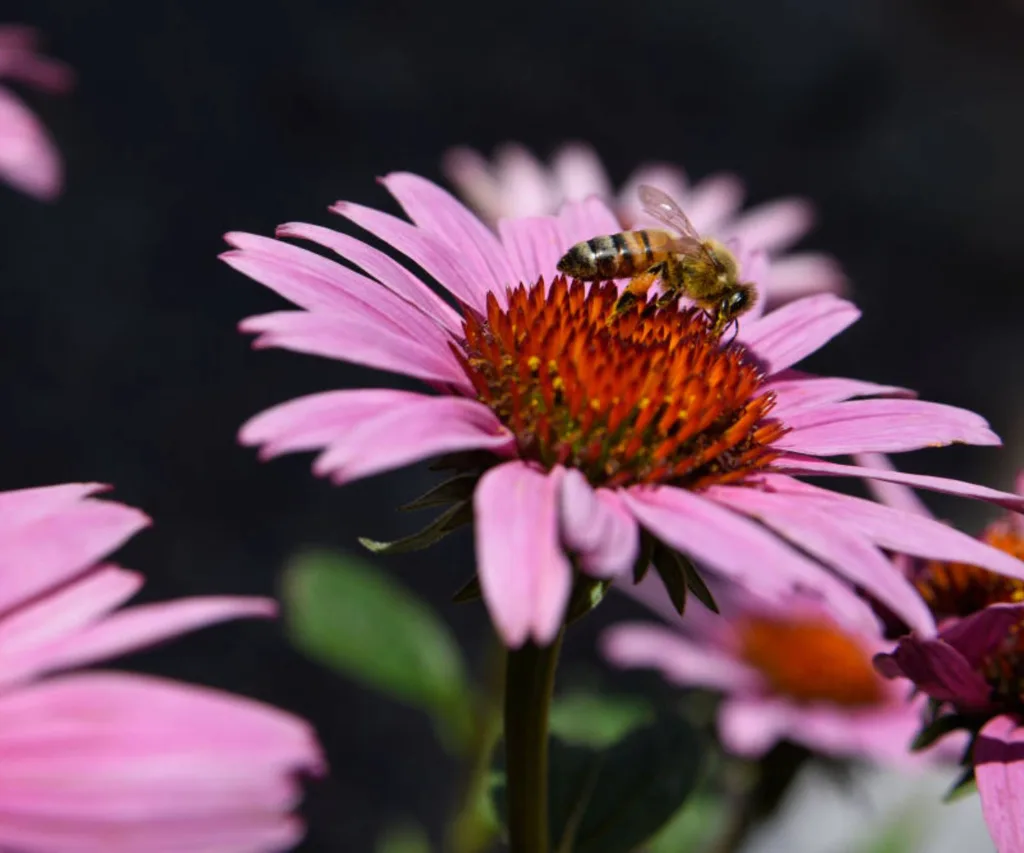
Perennials: Dahlias, alstroemaria, echinacea, scabiosa, delphinium, roses
Bulbs and tubers: Tulips, ranunculus, anemones, lilies, gladiolus
Foliage: Eucalyptus, dusty miller, bupleurum, lemon balm
When choosing seeds, look for varieties bred for cutting as these will have longer stems and a longer vase life. Local suppliers such as Emerden, Egmont Seeds and King Seeds offer dedicated cut-flower ranges suited to NZ conditions.
5. Sow and plant
Timing is everything when sowing seeds. In warmer regions, hardy annuals like sweet peas and larkspur can be down as early as late August. In cooler parts of the country, start seeds indoors and transplant when frosts pass.
For a continuous supply, sow new batches every three to four weeks through spring and summer. Succession planting ensures you’ll always have something in bloom.
Plant seedlings or tubers into moist, well-prepared soil, and mulch around the base to conserve water and suppress weeds.
6. Feed and water
Feed regularly for strong stems and vibrant colour. Use a balanced fertiliser every three to four weeks, alternating with a seaweed tonic for root health.
Water deeply two or three times a week rather than giving light, frequent sprinkles. Morning watering is best, as it allows foliage to dry during the day and reduces the risk of mildew.
7. Pick regularly
The more you cut, the more your plants will flower. Harvest early in the morning or late in the evening when stems are hydrated and cool.
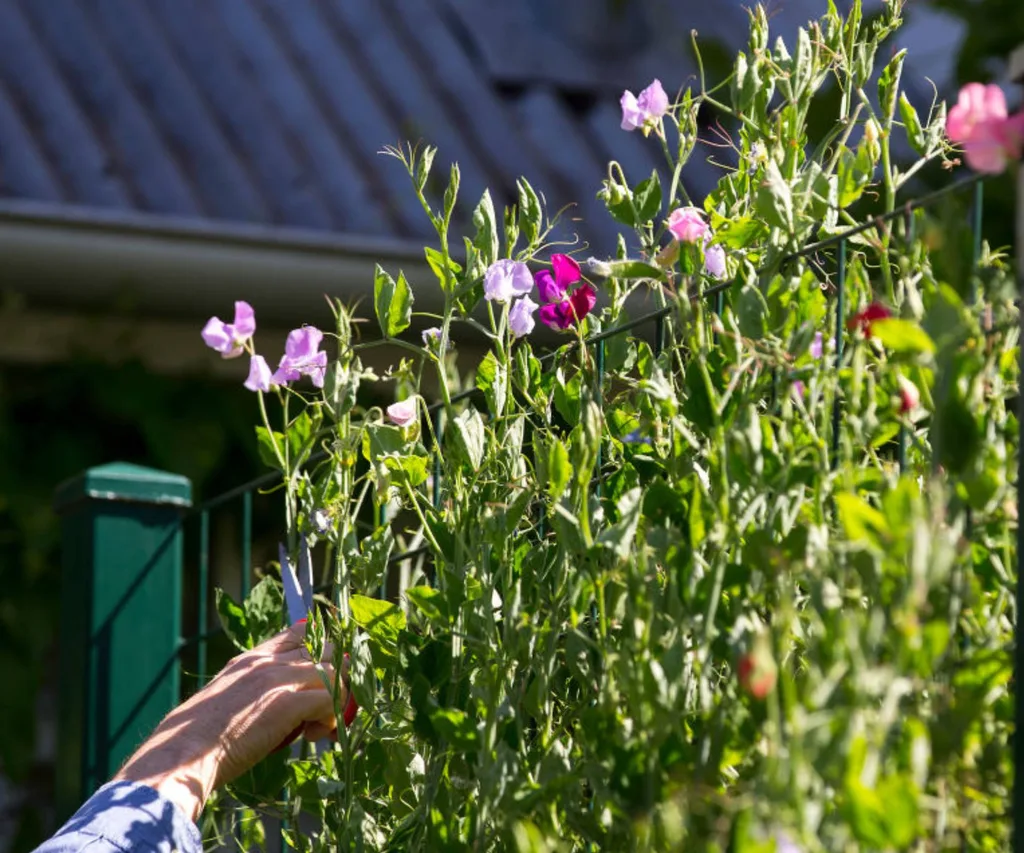
Use clean, sharp snips and place flowers immediately into a bucket of water. Strip any leaves that would sit below the waterline of a vase, as they’ll decay quickly and shorten vase life.
Tip: For longer-lasting arrangements, cut flowers just as blooms are opening. Fully open flowers will wilt faster.
8. Extend the season
Plan for three phases of bloom:
- Early season (spring): Sweet peas, larkspur, ranunculus, anemones
- Mid-season (summer): Zinnias, cosmos, dahlias, sunflowers
- Late season (autumn): Chrysanthemums, rudbeckia, asters, ornamental grasses
As the growing season winds down, lift dahlia tubers and store them in a cool, dry place. Add compost or manure to the beds in winter and mulch well, ready for next spring’s sowing.
Eco-friendly growing tips
Creating a cut-flower garden can be both good for your home and the earth. Follow these sustainable practices:
- Grow from seed: It’s cheaper, eco-friendly, and lets you choose varieties suited to your region.
- Compost garden waste: Return nutrients to the soil naturally.
- Use organic fertilisers: Liquid seaweed, worm tea, or compost tea nourish without chemicals.
- Plant for pollinators: Choose nectar-rich flowers like cosmos and zinnias to support bees.
- Harvest mindfully: Let some flowers go to seed to attract beneficial insects and have seeds for next year.

