

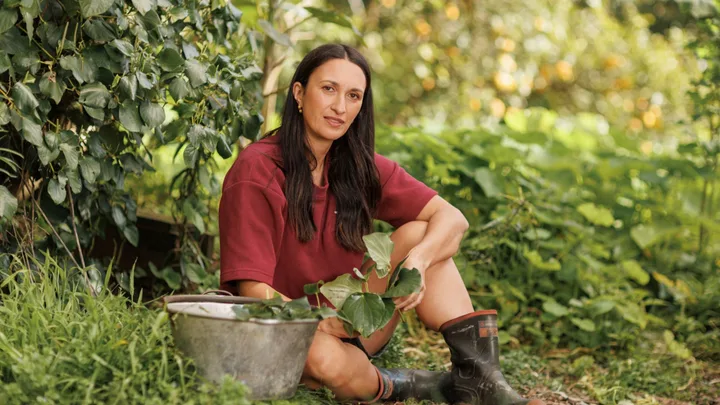
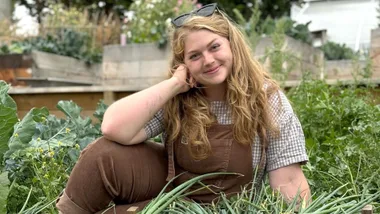
Broadcaster and TV presenter Kara Rickard grew up in Raglan and, after 20 years in Auckland, has moved her whānau back there. Her involvement with Once Were Gardeners grew out of a desire to learn more about how our tīpuna (ancestors) used the māra (garden) and because it’s a beautiful way to share that mātauranga (knowledge) with future generations.
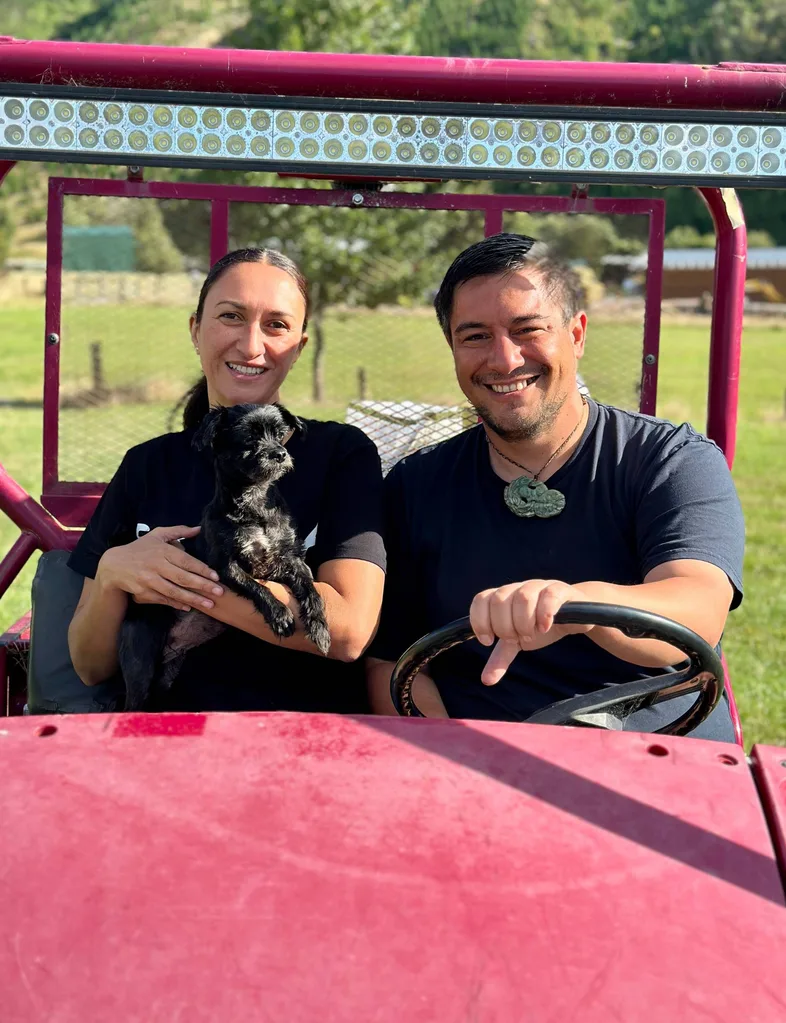
Are you a keen gardener and do you have any mentors?
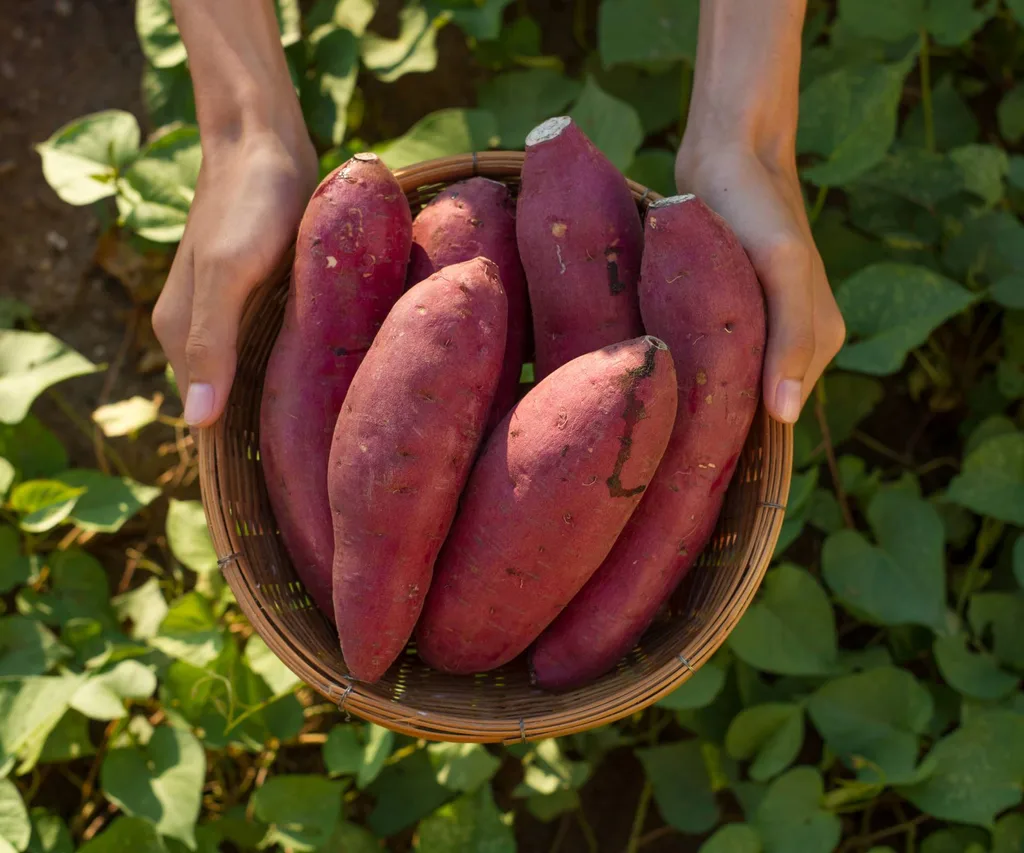
In Auckland, we had about 27 different varieties of fruit trees, but I never had much time for a proper garden, apart from herbs, lettuces and silver beet. I’d say my mother is my biggest mentor. I also have great memories of harvesting kūmara with my grandfather when I was younger. He was a bit of a tohunga when it came to gardening. My love for gardening has increased tenfold since we filmed the series.
What do you grow in your garden at home?
We’ve only been in our new home for about six months, so the garden is still a work in progress. The first thing we did was plant our orchard, since fruit trees take the longest to establish. We’ve planted plums, feijoas, limes, oranges, apples, peaches and nectarines, so that the kids can pick and eat straight from the tree. We have our chickens in the orchard too, which helps to fertilise the soil.
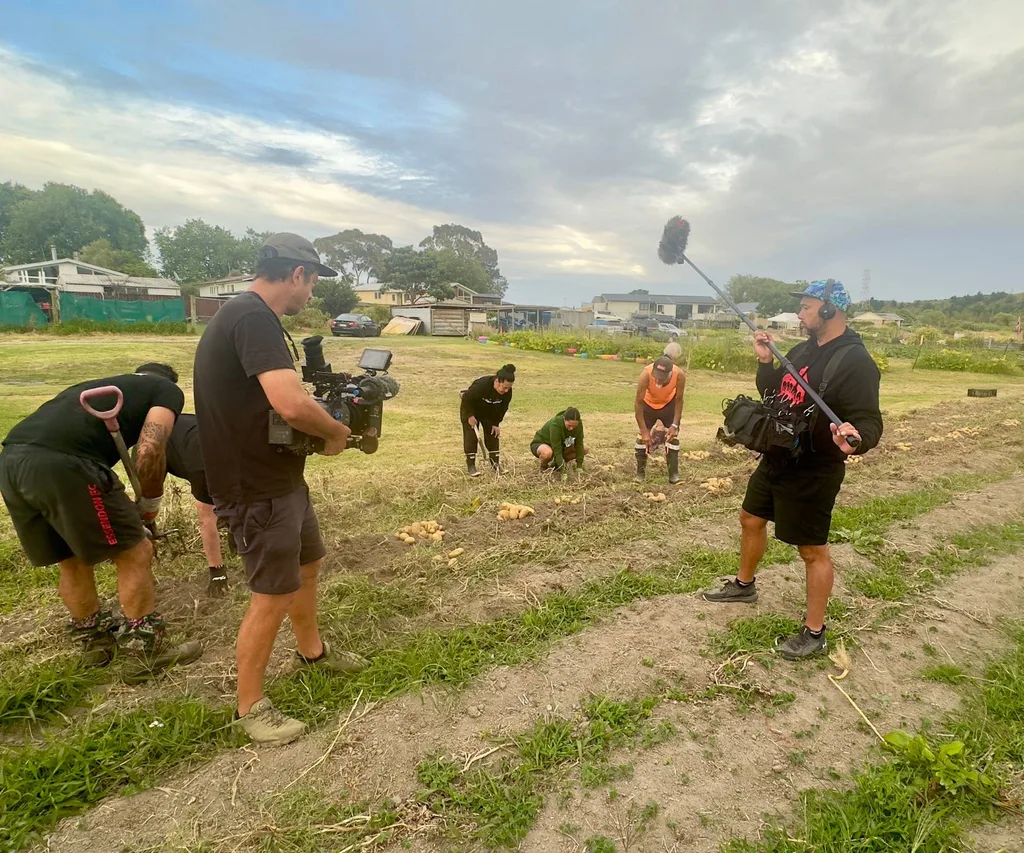
What are some of the traditional māra kai techniques you’ve taken on board from the show?
How the maramataka (Māori lunar calendar) plays an important role in traditional gardening by guiding when to plant, harvest and care for crops. Māori observed that different phases of the moon influence soil moisture and plant growth, so following the maramataka helps align gardening practices with the natural rhythms of the taiao (environment).
Weeds aren’t the enemy; they’re simply plants growing where we didn’t intend. In many cases, they play a role in the garden’s ecology, providing ground cover, attracting beneficial insects and even improving soil structure.
What tikanga gardening practices are good to know?
Planting and harvesting at the right moon phases can make your garden healthier and more productive. Respecting Papatūānuku is another big one. So much commercial gardening is about taking from the whenua. But this reminds us to care for the soil as a living being. We need to put in more than we take out. Things like avoiding over-digging or using harsh chemicals. And adding compost, mulch and organic matter to feed the earth.
What did you learn from the show?
Why plant an orange tree from Kerikeri if there is already one in your region that has grown there for years? Just because something thrives elsewhere doesn’t mean it’s right for your garden. It’s also not just about the kai we grow.
I used to feel like gardening wasn’t for me, but I’ve come to understand that it’s about the process. It’s about reconnecting with the taiao. Remembering why mahi māra, working the garden and having our hands in the soil, is so deeply tied to who we are. Just growing one or two things connects you to the environment and the whenua.
Once Were Gardeners, Mondays at 7pm on Whakaata Māori and streaming on Māori+.

