


If there are two crops worth getting your act together for this autumn, it’s raspberries and garlic. These easy growers will pay you back handsomely come summer and spare you those eye-watering checkout prices.
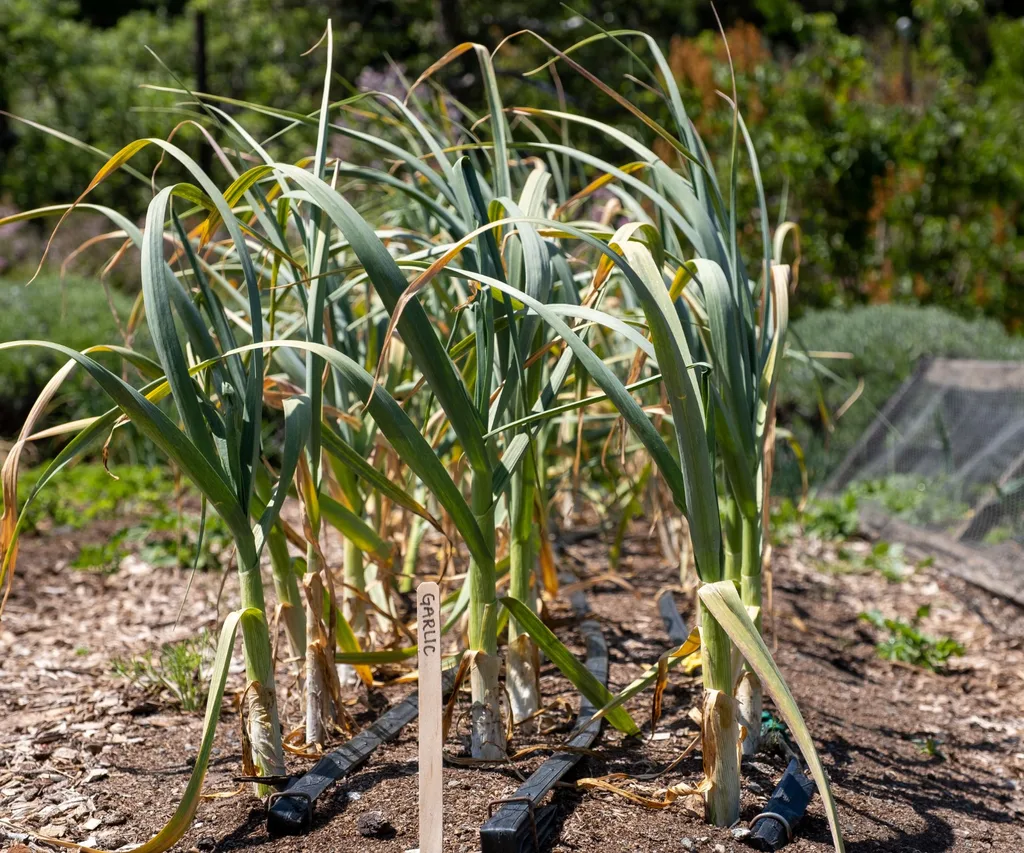
Garlic needs to be in the ground by the end of June, as it takes a good six months to mature. Choose somewhere sunny with rich, loose, free-draining soil with plenty of organic matter incorporated.
Heavy, wet soil can lead to rot. Plant individual cloves pointy end up, setting them twice as deep as they are long. Feed every few weeks from when the shoots appear to when the lower leaves yellow in summer. A two-square-metre bed should yield a year’s supply for an average household.
Raspberries are just as generous. A similar-sized patch can produce around five kilograms of fruit — the equivalent of at least 20 punnets. You can buy plants, but because raspberries readily send up suckers (new plants) over summer, it’s worth asking around. Chances are someone you know will have extras — often they’re keen to thin them out to avoid overcrowding. Simply dig them up and replant as soon as possible in a sunny spot, again with not too heavy soil. Feed in early spring.
Existing raspberry plants will benefit from a good mulch now. Canes of summer-fruiting varieties that bore fruit last season should be cut right down to ground level. For autumn-fruiting varieties, hold off until late autumn or early winter, then cut all canes back to the ground.
Get it in
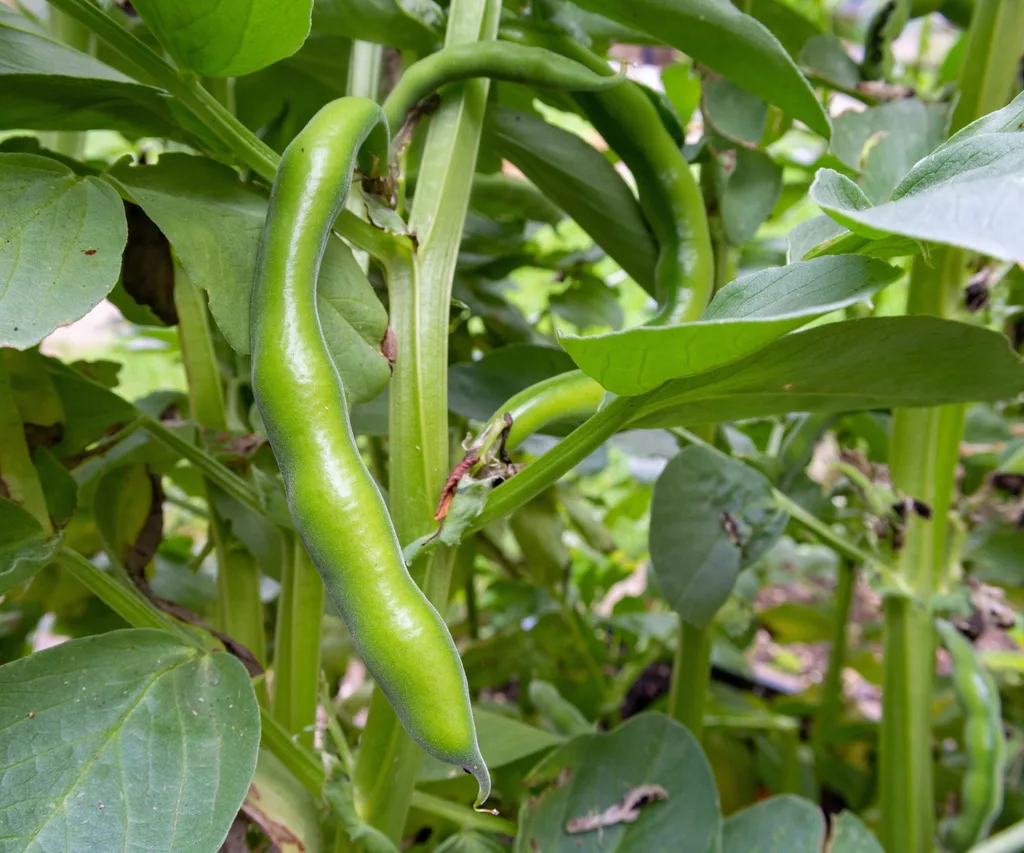
- Sow broad beans.
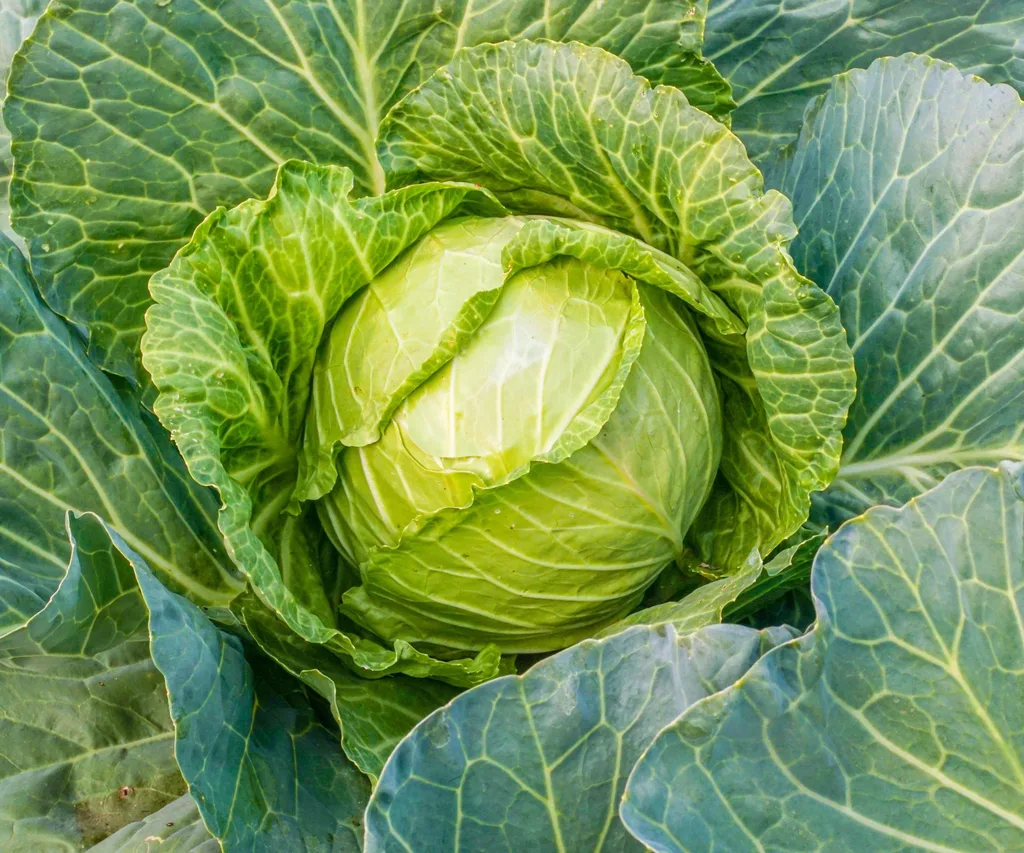
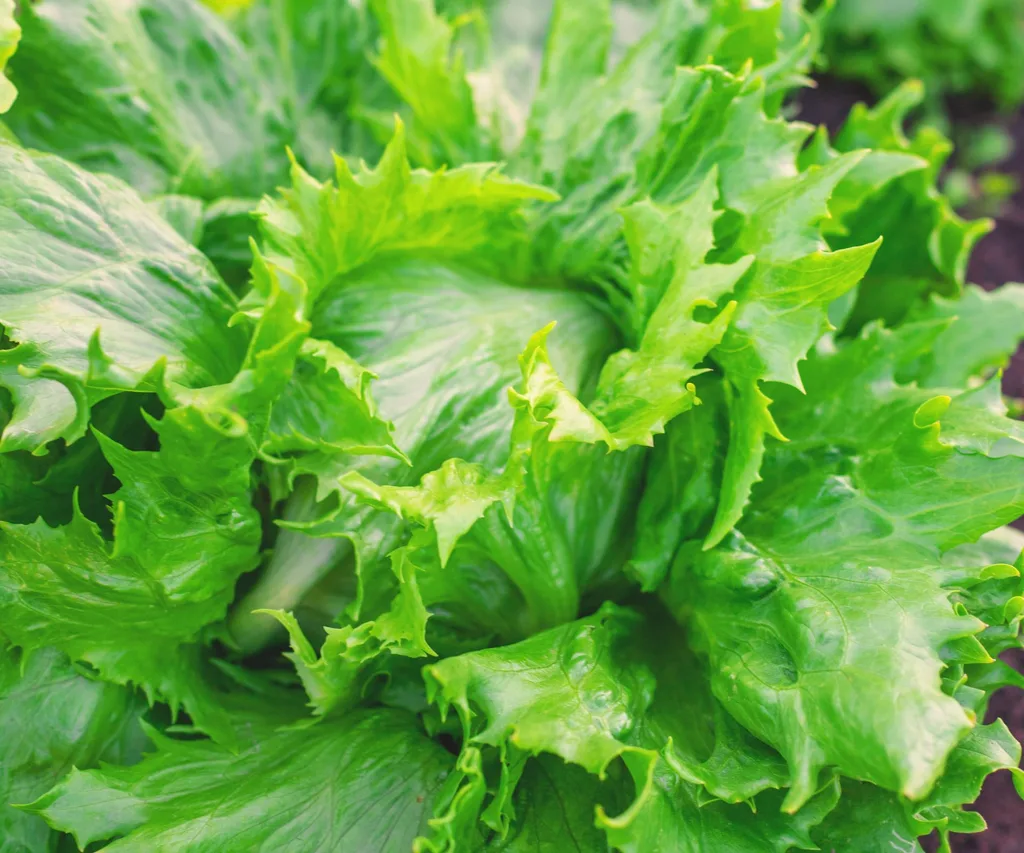
- Plant winter vegetable seedlings such as cabbage, cauliflower, broccoli, kale, lettuce, beetroot and parsley. Work in plenty of organic matter, such as compost and well-rotted manure, into the soil before planting seedlings.

- Sow green manures for digging back into the soil in winter – and before flowering. Mixes are available, but for specifics, sow blue lupin (in light soils) and clover for nitrogen; oats for soil structure (in heavy soils) and adding biomass; and mustard for soil sterilisation.
Steal this look
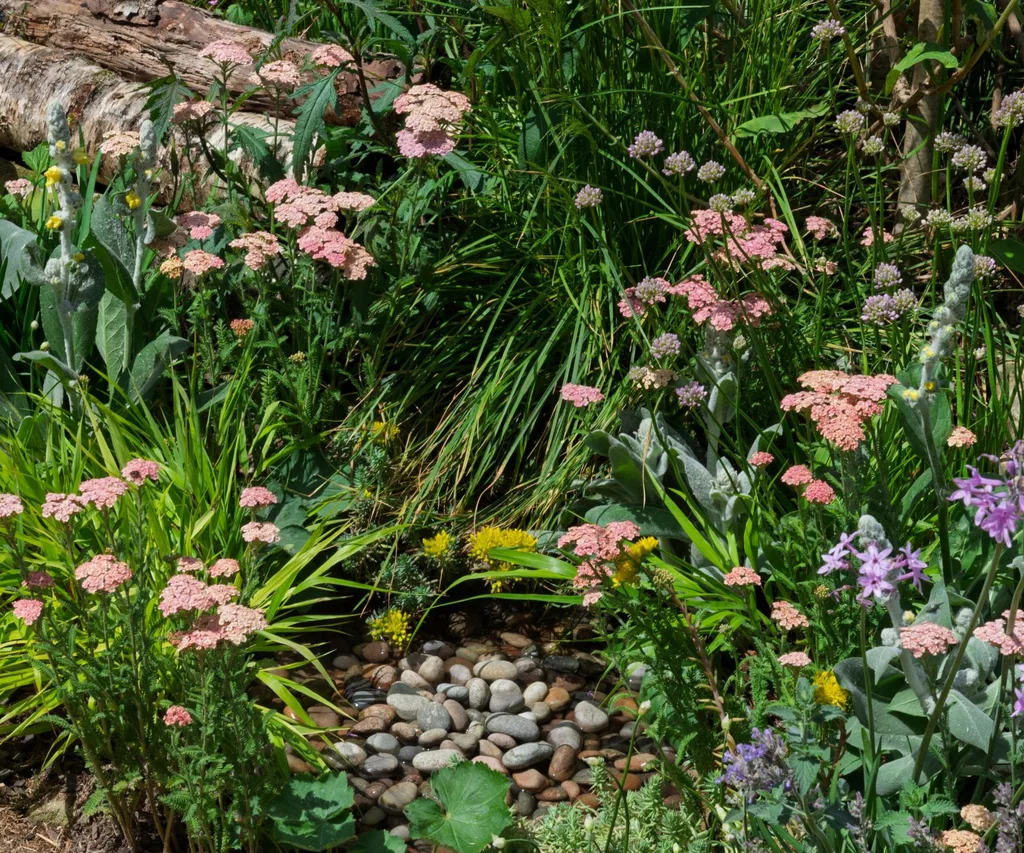
Petite ponds, watering holes, liquid mirrors – however you choose to describe them – are such a joy to come across and so absurdly easy to make that one wonders why every garden doesn’t have one. It’s not only we humans who will appreciate them, but a whole gamut of wildlife will also be calling by.
To make, first choose a site, maybe near a path or the edge of a bed. Generally, but not always, these are best at least partially surrounded by plants, as the shade will reduce evaporation and provide a more ambient spot for visiting wildlife. Being small, they can be constructed within existing plantings with minimum disruption.

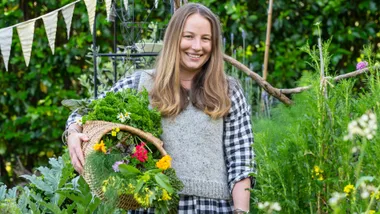
Otherwise, they may be built, then planted around. Select a watertight vessel — a shallow basin works well — and sink it into the ground so the rim sits flush with the surrounding soil. Almost fill it with stones, then top up with water. The plants here include pink achillea, allium, lamb ’s-ear, and small bog irises – but of course, in that respect at least, the world is your oyster.
Consider this: Bell cloches
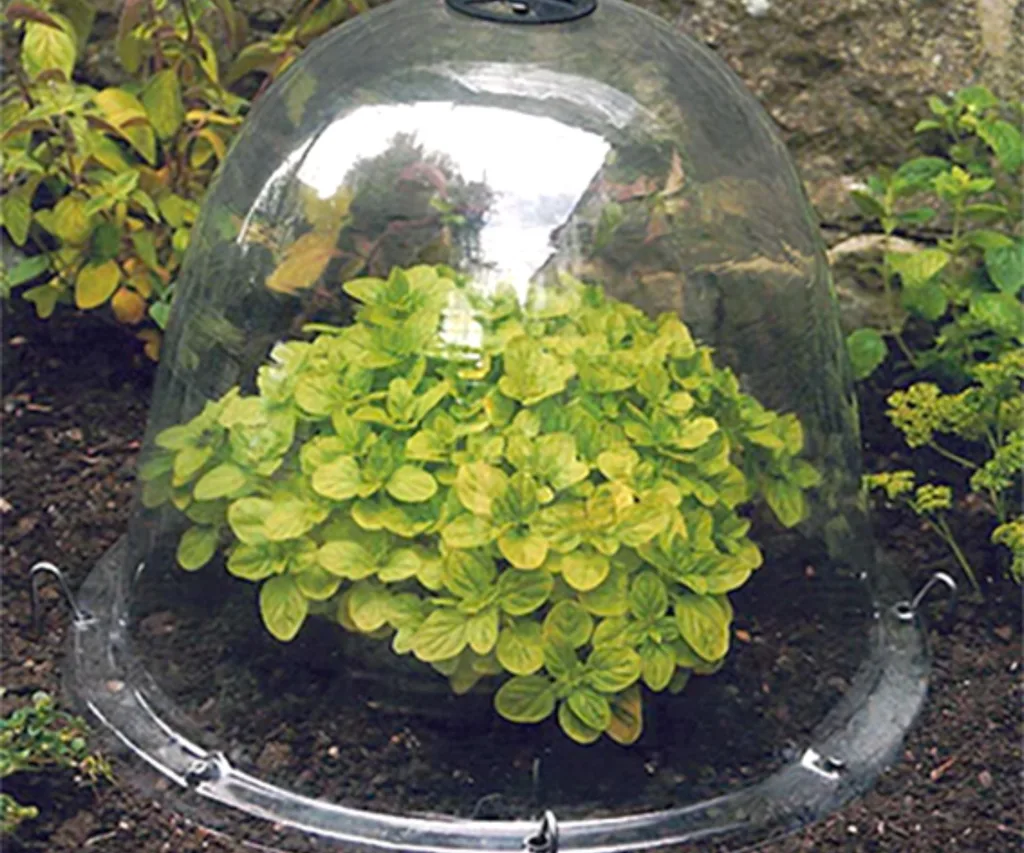
These bell cloches’ elegant curves enhance any garden, ornamental or edible, with a gracious Edwardian vibe. With year-round appeal, they protect new sowings, seedlings and early crops from the elements and from birds and other pesky creatures. They’re also great for over-wintering tender plants. Their top valve helps regulate temperature and humidity. UV-stabilised plastic helps prolong their life, no matter what the elements throw.
Original bell cloche, $60 (for three), from thecompanyshed.co.nz
Landscape 101: Go to hill
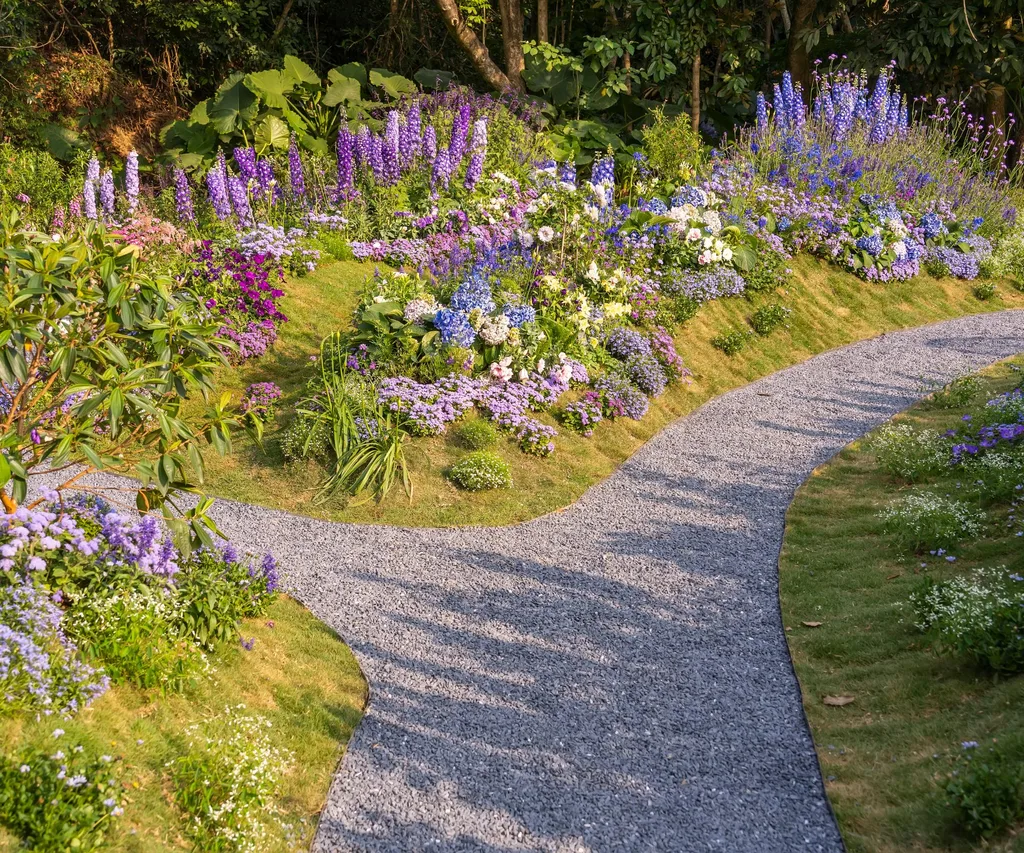
Sometimes a flat garden just needs a little je ne sais quoi – and often that can come in a change of level, as in a little hill. A small hill introduces depth and direction where everything has previously sat at the same height. It need not be large to be effective. Even a rise of 30–75cm is enough to change a garden’s vibe quite dramatically. It breaks up long views, allows planting to step up or down, and makes it easier to layer plants rather than line them up. From some angles, it will obscure what lies beyond; from others, it becomes a slightly raised place to stand, or to look back across the garden.
How a hill is shaped will depend on the character of the garden. In more traditional or informal gardens, it works best as a gentle, irregular swell — something that looks as though it has always been there.
In a modern or minimalist garden, the same change in level can be sharper and more deliberate: a clean-edged mound, or even a clipped plane of earth that is quite architectural. To build a hill, begin by marking out its footprint with a hose. For a natural look, keep the outline loose and asymmetrical. Build it up using clean fill or spare subsoil from elsewhere in the garden, then cap it with good topsoil. Shape the slopes generously so they can be planted easily and, if necessary, mown. Water well and allow the soil to settle before planting.
As well as being a fun landscaping device for children, young and old, to play on, a hill can broaden the range of plants able to be grown. Drainage improves, sheltered sites are created, frost sits differently, and plants that sulk on flat ground often do better with their roots slightly raised.
How to stake trees
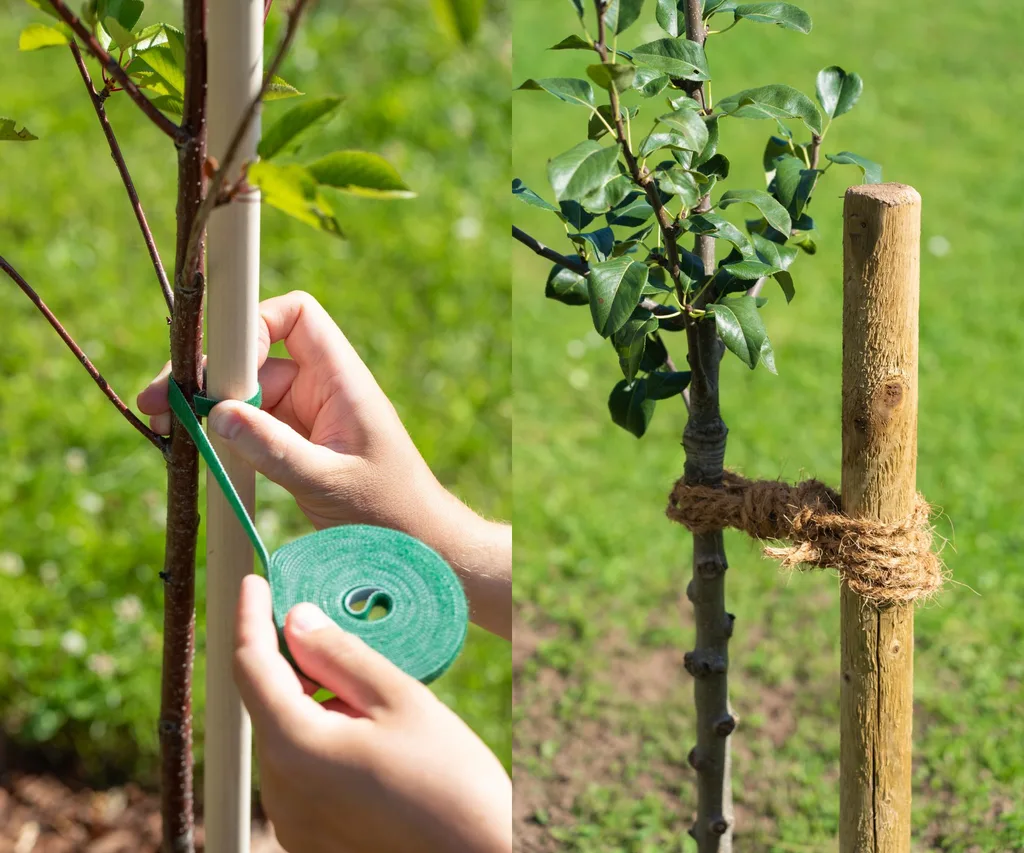
Newly planted trees, particularly large trees or those in exposed sites, get a better start if staked. Wind rock loosens the soil around the roots, creating gaps, breaking roots and inhibiting nutrient uptake, which can lead to stunted growth or even the tree failing over. Firm the soil well after planting, then drive two stakes opposite each other into the ground beyond the planting hole, where the undisturbed ground is firmer and will hold them better. Splay the stakes out slightly to allow for straightening once ties are attached.
Attach the tree to the stake in a figure eight shape using flexible jute webbing, bicycle tyres or the like. Allow for a little movement to build strong trunks. Remove within two years, or once the tree seems firmly established. The stakes need to be about two-thirds the height of the tree and the ties placed about a third of the way up the trunk.
Read more:
- Where play meets plants: Nell Palmer’s family-friendly garden
- Jake Linklater, Young Horticulturist of the Year’s tips for growing native plants
- Gardening gifts for the green-thumbed


Share this post