


If an interior design style can be described as a mood, maximalism is pure joy. Where its antithesis, minimalism, dances dangerously along the line of sterility, maximalism is embracing and effusive – exactly the sort of warm and inviting look we want for our homes in 2026. Of course, the current crop of designers didn’t invent maximalism and the look has popped up in various iterations throughout history. But we’re now seeing a different, more eclectic and approachable breed of maximalism.
Evie Kemp, maximalist designer and author of Much says, “Traditional maximalism had a pretty recognisable set of blueprints that generally have a clear (or clear-ish) theme: jewel-toned walls, gallery walls stacked floor to ceiling, the gilded opulence of Hollywood Regency, or the layered florals and faded grandeur of English country style. All beautiful but quite dedicated to a particular design language with less space for personalisation.” By contrast, modern maximalism is about storytelling, she says.
“It’s much broader, and honestly more fun, than what has come before.”
Modern maximalism’s emphasis on personalisation means there are fewer rules governing the way we design, but it is still a deliberate design philosophy, as opposed to putting lipstick on a hoarding habit. Thus, it’s worth following some broad guiding principles to avoid clutter and create a curated space.
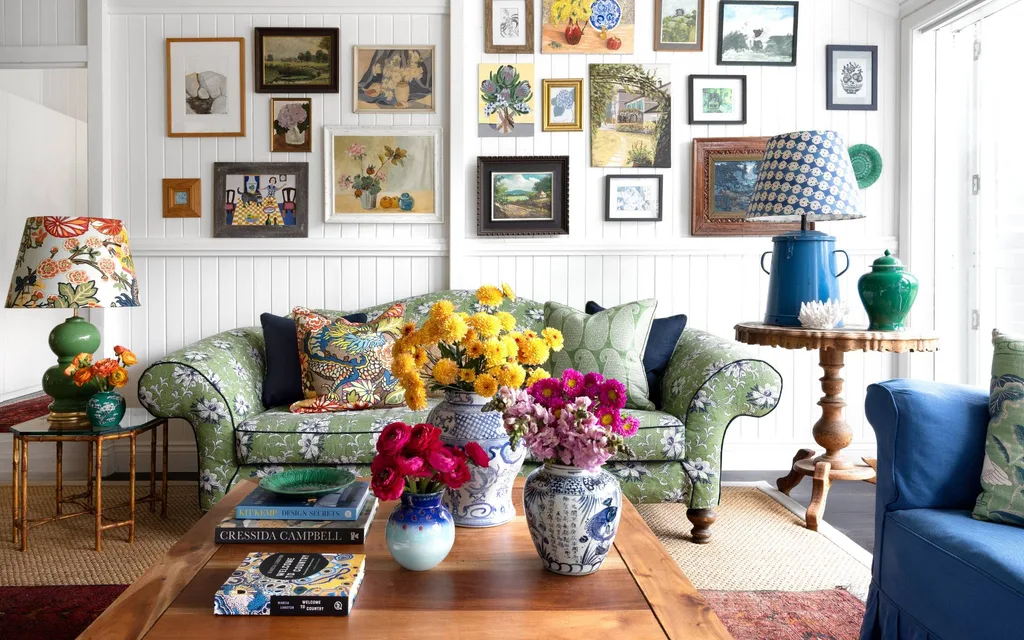
Five principles of modern maximalism:
1. More but with meaning
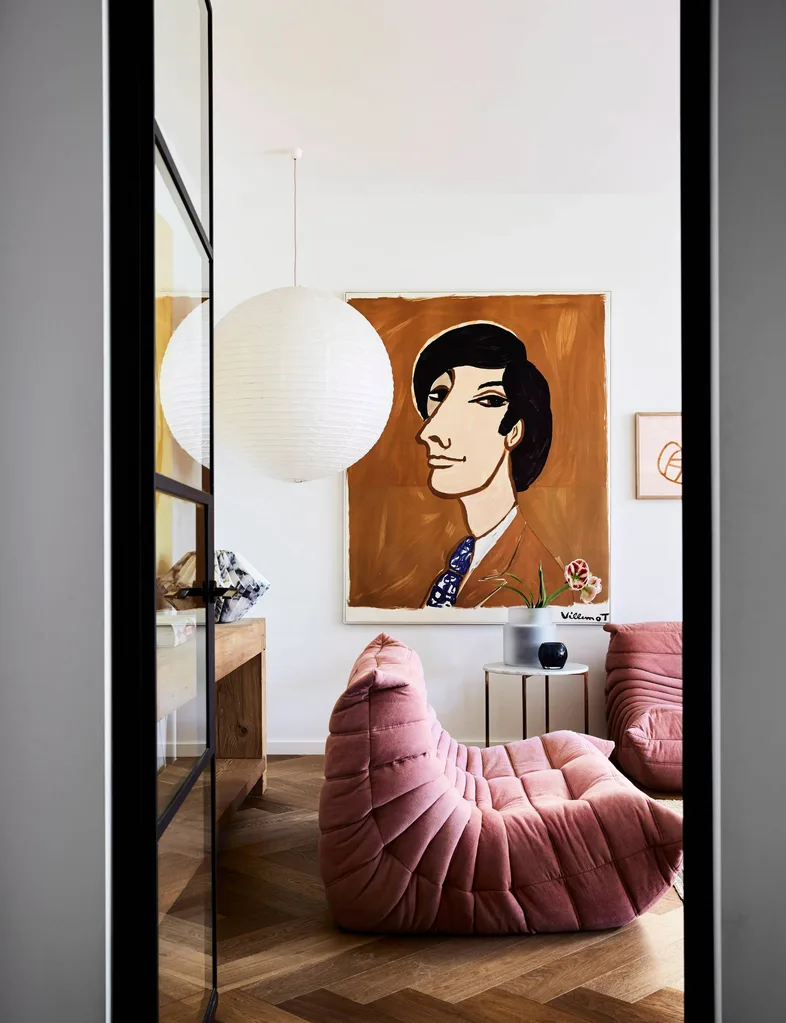
A maximalist interior is bold, relaxed and uncorseted – but with a thread of intention running through it, lending structural support to the scheme.
“Done well, a layered interior should feel a little like a compelling story – rich with character and revealing something new each time you return to it,” interior designer Charlotte Minty says.
This narrative links all the elements of the space, making every detail in some way part of the overarching story and encouraging you to keep ‘reading’ the room.
Start with a core element or two. Maximalism and bold colour frequently (though not invariably) go hand in hand, so your dominant thread might be a striking hue. Drench the room in it, then choose elements that echo or contrast with your core colour. Large-scale art, wallpaper or an intricately patterned rug can also be excellent starting points, allowing you to pull out and repeat a variety of colours, shapes and themes.
Observe how the most successful maximalist interiors refer back to a core element. For example, fabrics in a striking hue might echo a subtle tertiary colour in the statement wallpaper, which delivers a subconscious sense of calm – and a little thrill of recognition when you spot the link.
2. Layered look
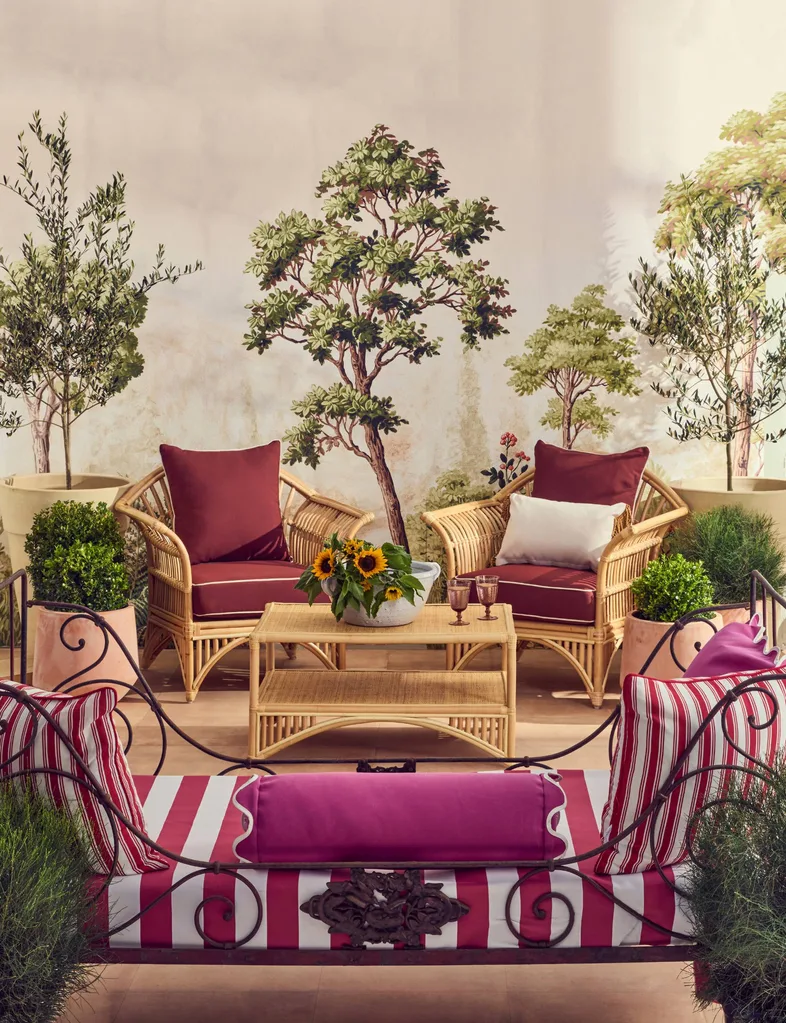
The common feature of maximalist interiors is a sense of abundance, woven from a bountiful palette of materials, patterns, textures and colours. Pattern is a big one – there’s no better way to create a sense of richness, movement and interest – but mixing and matching patterns should be a considered process.


“The most beautifully layered interiors aren’t necessarily the most complex or the most obvious – they’re the ones where every pattern feels like part of the same conversation,” says Charlotte.
Just like a good conversation, pattern layering works best when one ‘hero’ pattern is allowed to speak clearly – more than one at a time is a visual shouting match. Charlotte suggests starting with this primary pattern and building from there. She suggests mixing large, medium and small scales, then “maintaining a consistent colour story, introducing texture as a pattern in its own right and focusing on the overall mood rather than perfect coordination.”
Give your most expressive pattern a support cast of quieter characters that serve as calm places to rest the eyes. Think spots of a solid hue, or more restrained patterns, such as a polite small leaf print to contrast with a big, blowsy floral.
3. Expect the unexpected
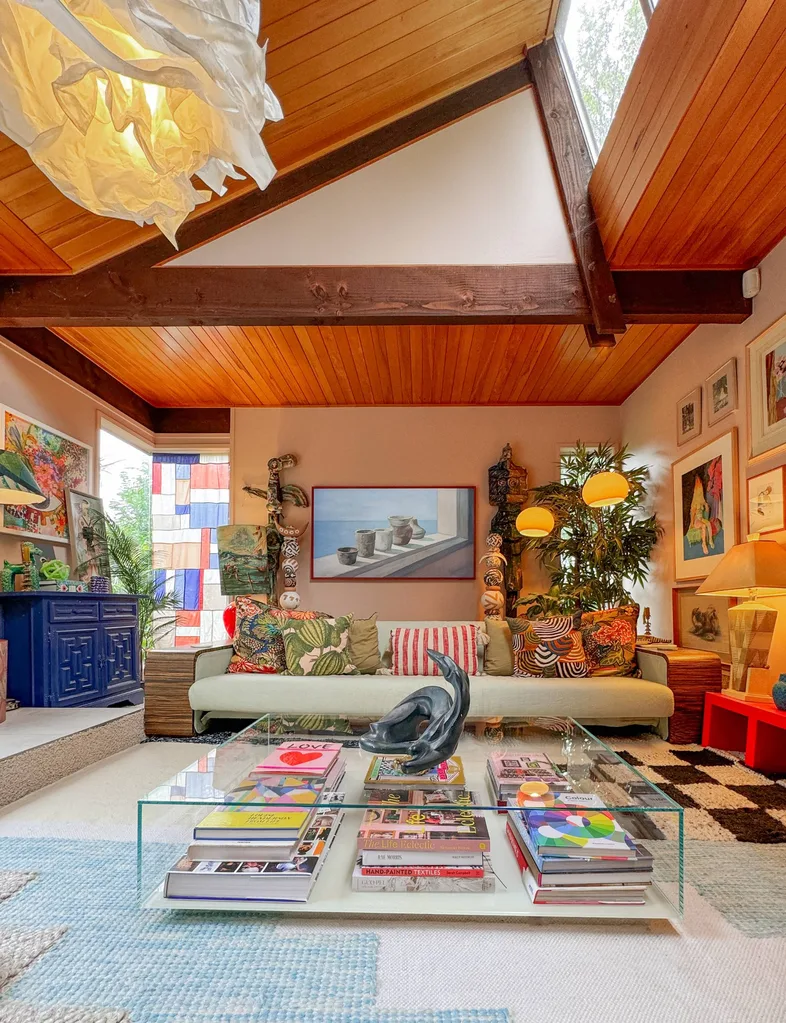
A large part of successful layering comes down to contrast: small and large-scale prints, busy patterns paired with calming solids, shiny metallics with matte finishes. It’s about creating a chorus-and-verse-style balance, so the attention-grabbing features have room to shine and the space as a whole feels sophisticated and intentional, rather than haphazard.
The other purpose of contrast is to introduce an element of surprise and delight.
“Unexpected details make a space memorable,” says Charlotte.
“The best maximalist interiors reward a second and third look.”
Introduce an element of the unexpected by contrasting traditional decor with a modern statement light, or by a marriage of patterned opposites, such as a gentle floral wallpaper with a starkly abstract rug.
Refer back to your guiding theme to make the pairing make sense – your element of ‘surprise and delight’ should feel intentional, not random, Charlotte says.
4. Room to rest
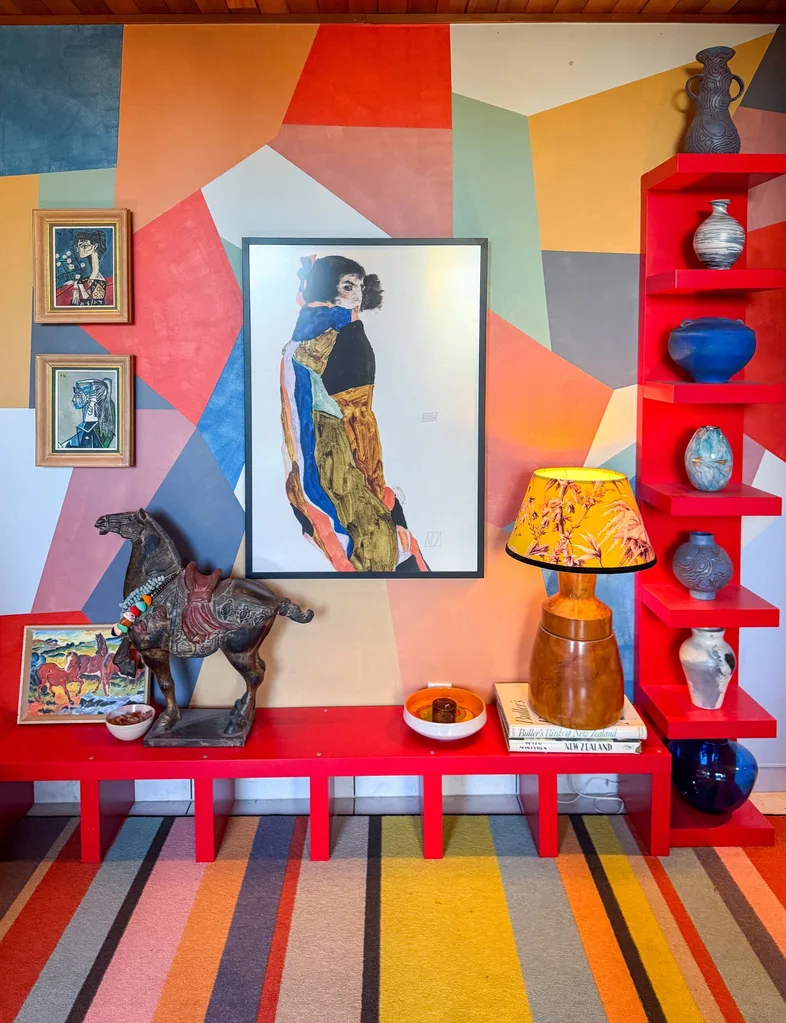
To make a maximalist scheme appear busy but balanced – as opposed to an assault on the senses – carefully curate it to include focal moments, places for the eye to rest, so you’re not visually lost in clutter.
This could be a hero piece (or series of pieces), such as a large-scale artwork, a ‘look at me’ rug, a statement piece of furniture, or a dramatic light.
“I think what I’m actually doing is creating a way for the eye to read a room,” says Evie. This can be a single centrepiece or “multiple points of excitement”, she says, but the key is putting it together so these focal points are both linked to the wider scheme and have room to stand alone.
“I want there to be rhythm and echoes (colour, shapes, texture, motifs that repeat) that lead you around, so your eye keeps moving but also gets to linger and rest on things. I think of it as a composition, like in music or an art gallery. Each piece needs enough space to be admired in its own right, but it’s also part of something bigger.”
5. Make it yours
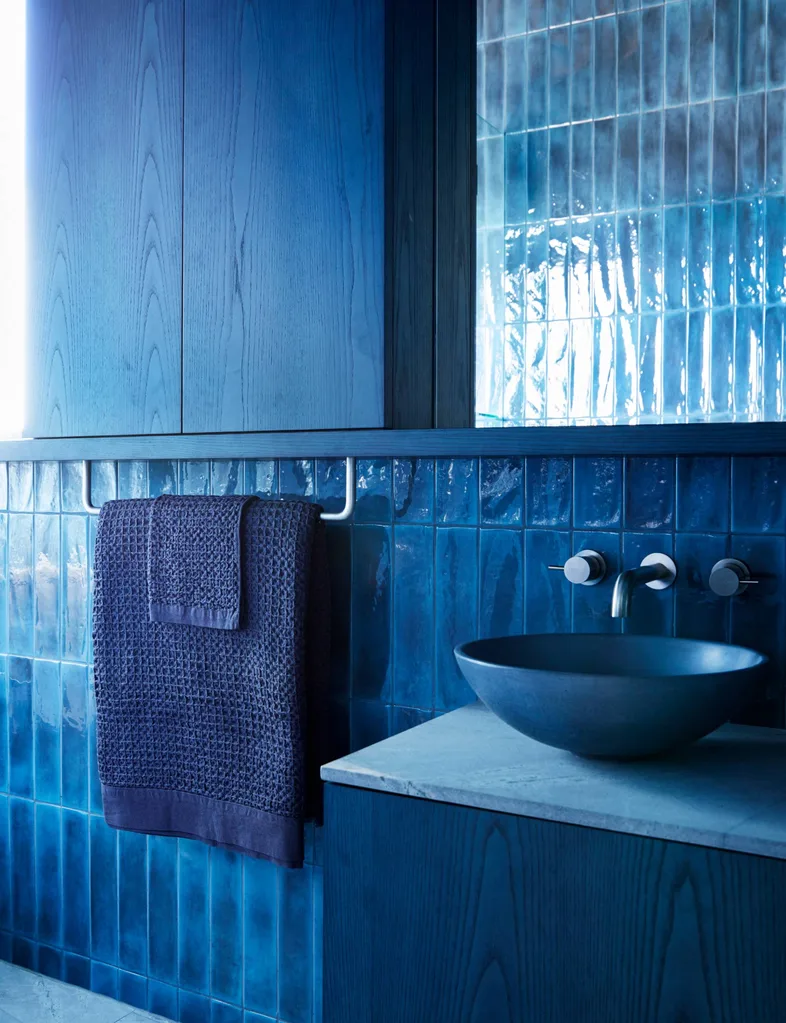
A major difference between maximalism in 2026 and earlier versions is the intention behind it. It’s not about displaying wealth so much as about building a mood and telling a personal story.
The guiding principle should be to choose the emotion you want to convey (for example, cosy or invigorating), then decide what that feeling looks like to you.
“Maximalism has definitely tipped into performance at times – ‘look where I’ve been, look what I’ve collected’ – but that’s not really admired anymore, and that’s definitely reflective of the times and world we’re living in,” says Evie.
“Now it’s about the things that you’ve decided matter, and that might be something from your family history, something you made, something your kids made, an op-shop find that just spoke to you. The value is yours to assign – and in your own home, no one else gets to tell you that it’s worthy or not.”
With this personalised focus, a modern maximalist interior is more likely to be built over time, rather than plucked from the showroom floor. This is a more sustainable approach and one that serves to tell a story of the people who live there. Choose items for their meaning, or simply for the joy they deliver – maximalism is an interior style with a sense of humour – and objects can and should be included simply because they make you smile.
Read more:
- Year of art: Evie Kemp’s Our House of True Colours brings colour to life
- Why slow decorating is the new interiors philosophy
- 11 vibrant kitchens to inspire your next renovation

