

 Photography: Are Media syndication
In a busy world, it can be easy to slip into the trend of rinse and repeat. There’s always something new to fawn over, or a dream home to emulate. It’s hard to resist change when there are a million different ideas at our fingertips. We’re exploring the idea of slow decorating instead – the art of taking your time and choosing furniture and decor with intention.
Your home is for you. It doesn’t have to be a show home or a perfect replica of someone else’s space. Prioritise your personality and what is meaningful to you, then take your time figuring out what kind of home you would like to wake up in every day.
Take it back
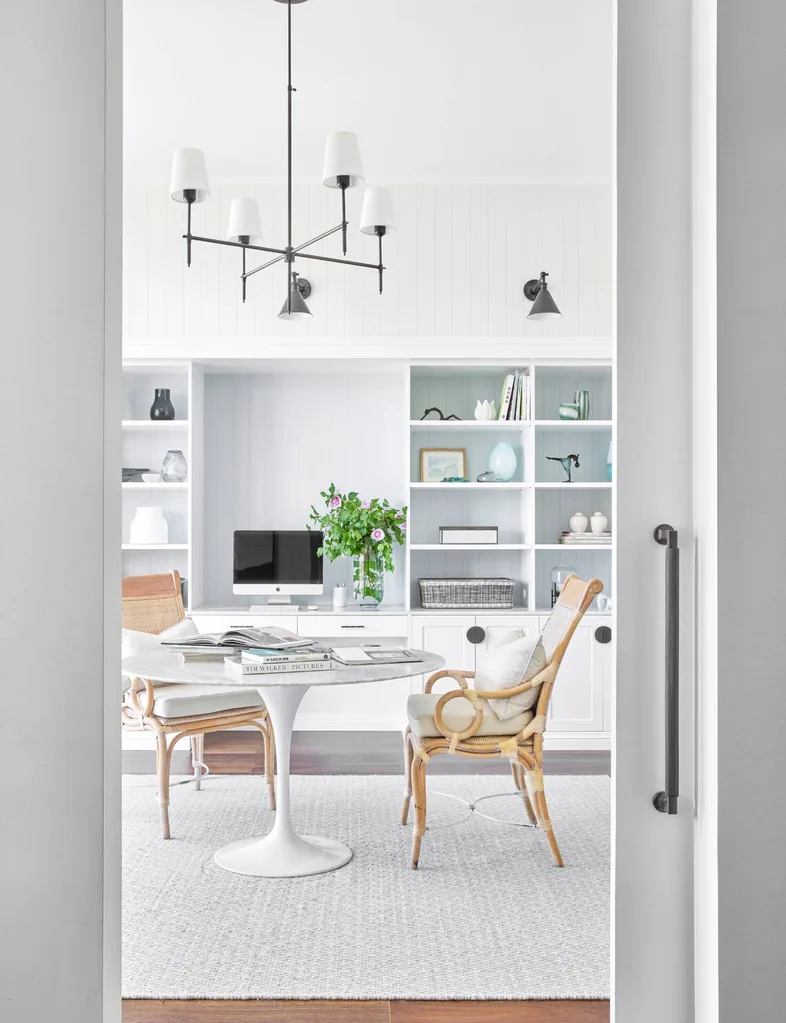
Slow decorating encourages the philosophy that all good things take time. Acquire pieces slowly. Space permitting, store trinkets or cushions instead of throwing them away. Let’s face it – you can’t achieve your dream home on the first night.
In trusting the process, you will find magic in the unexpected. Keep an eye out for how the sunlight falls on certain rooms at different times of day, or which colour picture frames look best against the walls. Let the house settle with you, rather than working against an imaginary clock to have it looking perfect straight away.
“Slow decorating is about resisting the pressure to finish everything at once and instead allowing your home to evolve in a way that truly reflects who you are,” says Melissa Greenough of Eterno Interiors.
Quality first
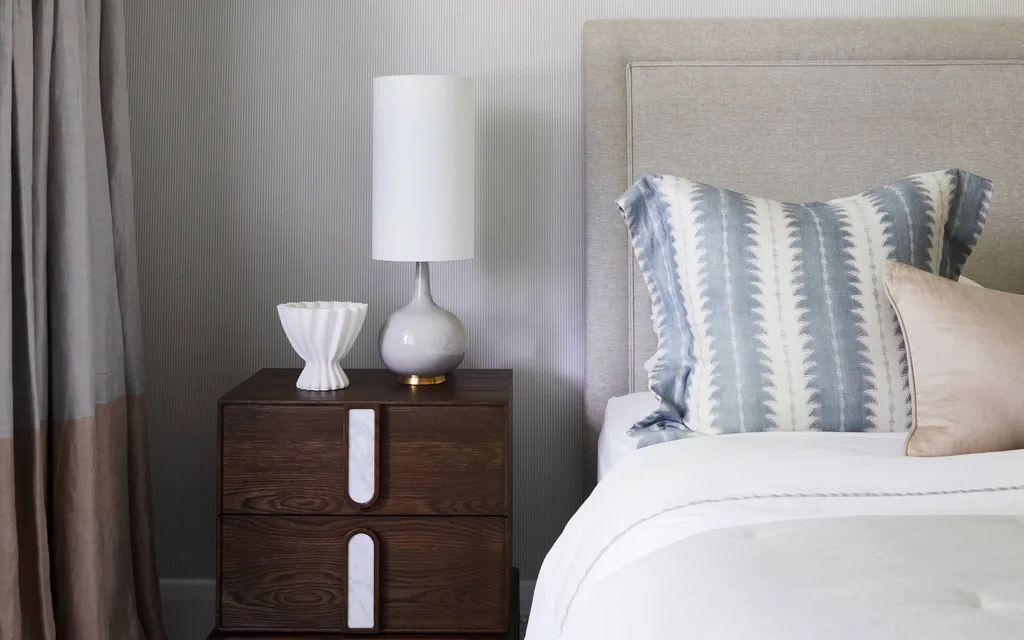
If you’re buying heirlooms, make sure that they are built to last. This tends to mean spending a little bit more, but it ensures that you’re making the best choices. Prioritise quality materials. For furniture, lean towards natural wood or stone. For bedding or decor, think about linens, silks, cottons and wool. If you’re saving to spend more, it means that you’ll be more selective and thoughtful.
“I’ve always been a fan of slow decorating – born from necessity with a limited budget. I’ve seen whole rooms pulled together in a single sweep and while it looks spectacular in the moment, it tends to date that way too. Everything arrives together, and everything starts to feel tired together,” says Meg McMillan, stylist and founder of Tea Pea homewares store.
Quick purchases can be regretful purchases, so research which materials you personally prefer and keep an eye out for those only.
Minimal mindset
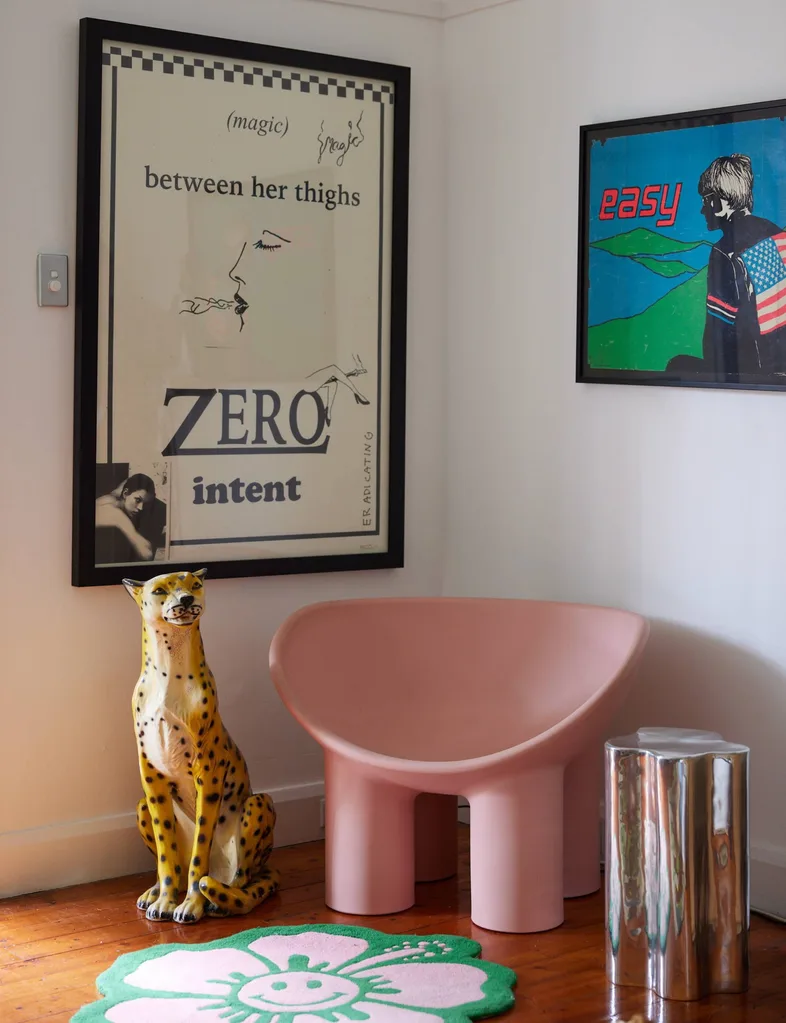
Let your surfaces naturally overcrowd. Engineering a busy environment is not as reflective of yourself as one that has been gradually built and acquired over time. Don’t fill a gallery wall with a random assortment of frames bought in one go – instead, build a collection slowly and thoughtfully. The results from this can fundamentally change how you display and appreciate your art. Save for a print or painting that you really want or get a poster professionally framed.
“A soulful home is rarely created overnight. I have always believed that a house becomes a home over time, through layers, meaning and thoughtful choices. By taking your time, embracing a less-is-more mindset, and investing in pieces that are beautifully made or personally significant, you create a home that feels authentic, collected, and timeless,” says Melissa.

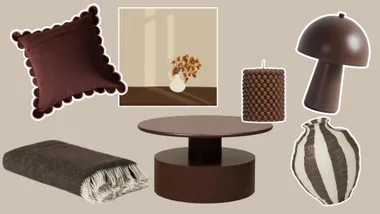
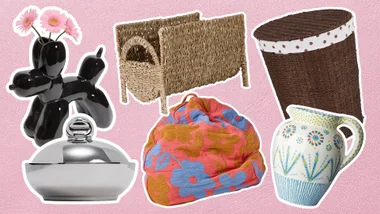
Shop your house
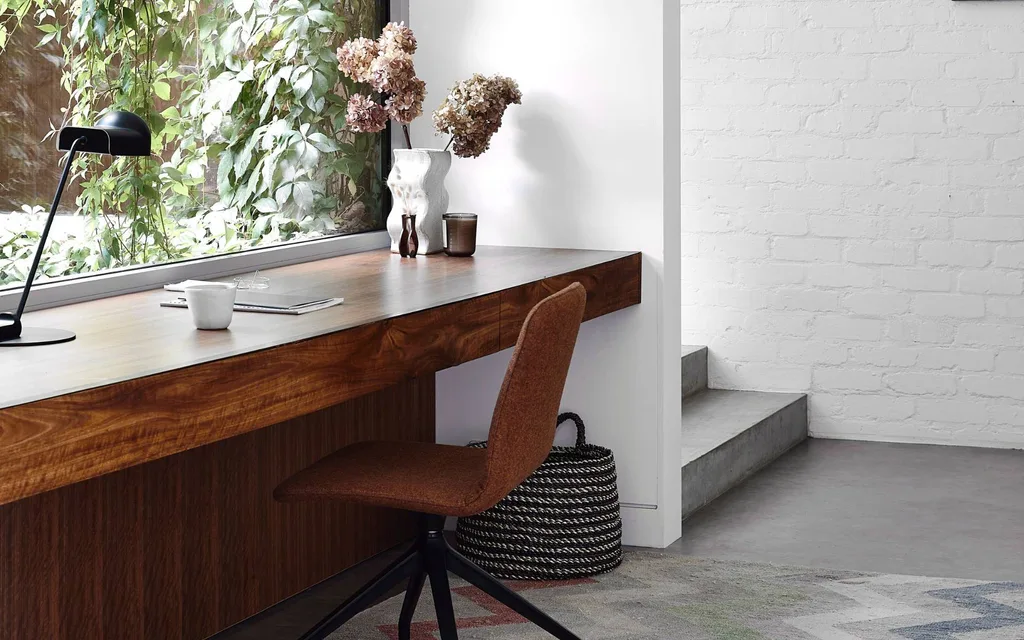
We can’t always keep track of every item in the house. Before you buy anything new, riffle through boxes and cupboards to check what is still lying around. This is where storing cushions or throws comes in handy – resist the urge to shop for the coming season if you already have a bunch of options at home. It’s no different than swapping out your winter or summer wardrobe.
“Decorating slowly is a chance to introduce the artwork bought on holiday or an inherited lamp,” says Meg.
“A space filled with objects with stories and meaning is fundamentally different from one that was simply, instantly styled.”
The next step to shopping your home comes with the tackling of tasks that get put off in favour of shiny new things. We all have a box of unframed prints, lying in haphazard scrolls and relegated to the pile of ‘maybe one day’. Pull them out, measure them, put the measurements in your phone and go out and buy some frames. It can be a one-day task if you’re motivated enough. Tighten those wonky chair legs, re-stain a coffee table or simply move the furniture around the room.
Your future self
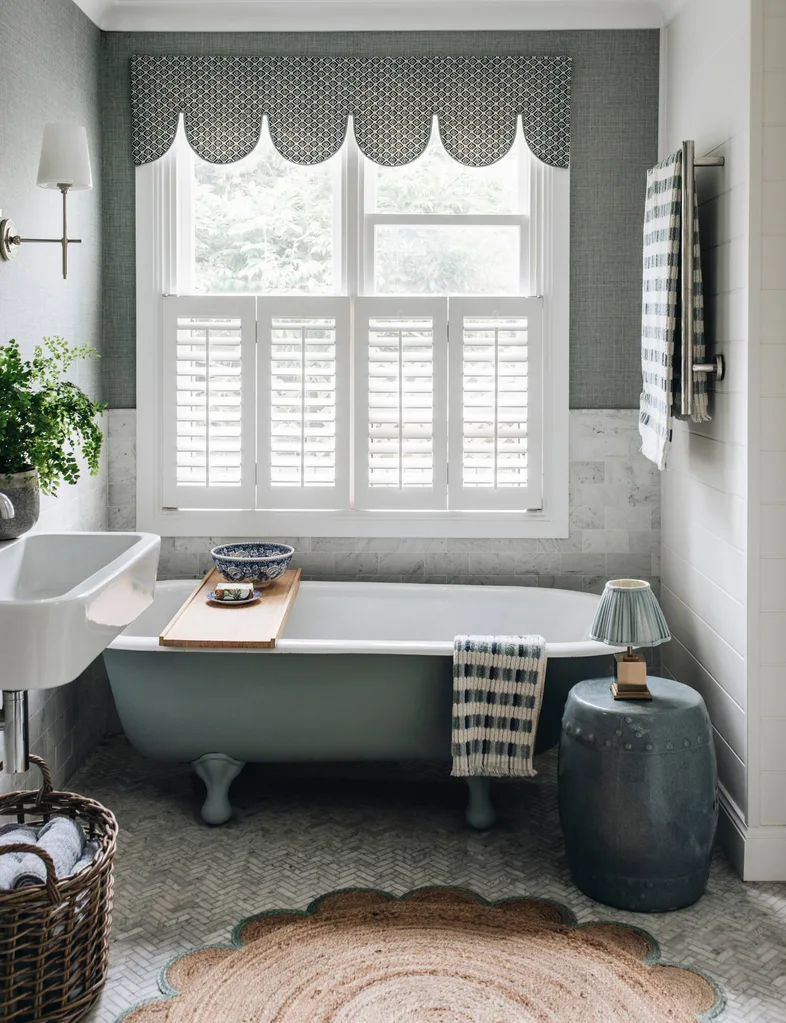
Most importantly, shop for your future self. Acquire pieces that would be hard to part with, or objects that you can imagine passing down as heirlooms.
Invest in a marble coffee table that you will bring with you to every single home that you own. Careful and consistent maintenance, as well as deliberately purchasing quality, will save you money and time down the line. Treat your belongings as a privilege, not a right, and you’ll be surprised by how quickly you begin to appreciate everything.
The overall impact of slow decorating is to create a more thoughtful, personal space. It is a practice in reducing pressure and prolonging patience, of unwinding and moving to your own pace.
Hacks
- Moodboards will help to solidify your preferences. Create as many visual references as possible. While this can be influenced by current trends, having an always active board means you are more likely to notice a pattern of preferences.
- If investing in a secondhand piece, it is far too easy to act on impulse. Stop and look at it before you buy. If it’s small enough, hold it in your hand as you walk through the store. Imagine where it will live in the house and what it will be paired with. If you can’t see it fitting in seamlessly, then perhaps it’s not meant to be. That being said, if it doesn’t leave your mind, buy it.
- Narrow down your specific preferences and be strict with them. Choose materials and don’t budge – favour long-lasting materials and natural textures such as quality wood, wool or linen.
- Don’t rush to throw away older items in favour of swapping them out for new. That cushion you bought 10 years ago might be the missing piece that your lounge needs. Items can also be repurposed – move that little side table into the garage to balance the laundry basket, or move the trinket dish in the living room onto your bathroom vanity. Slow decorating is also a reminder to appreciate the items you have and to extend the longevity where possible.
- Factor your DIY ability into a purchase. If you see the potential in making over, maintaining or upcycling a piece (old or new), think about how long the project would take and how well you would be able to execute the project. If it’s realistically destined to sit in the corner of a garage for years as a ‘maybe one day’ project, maybe it isn’t worth your time or money. Also, learn your level of imperfection – if you can live with a small dent or scuff, then you’ll be more open to fun and interesting pieces.
- Get creative with empty space. As tempting as it may be to fill every shelf or corner, find placeholders that don’t drive you crazy. Spread books out across a shelf or shift a chair around. This will widen the space and give yourself new ways to explore creativity.
- Start with a solid base. Invest in a good-quality sofa, then slowly build around it. The same goes for a dining table or a bed base. Once you’ve nailed the essentials, the fun will follow.
Read more
- Luxe for less: 20 ways to elevate your home without overspending
- Inspiring bathroom makeover trends for 2026
- How to choose a couch that works for your home

