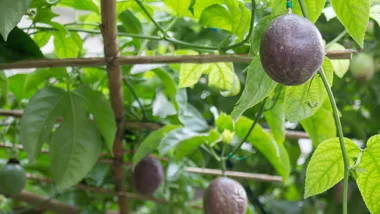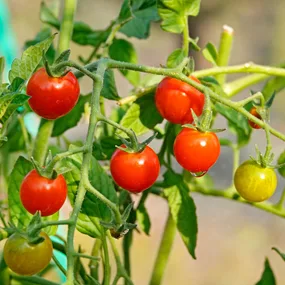

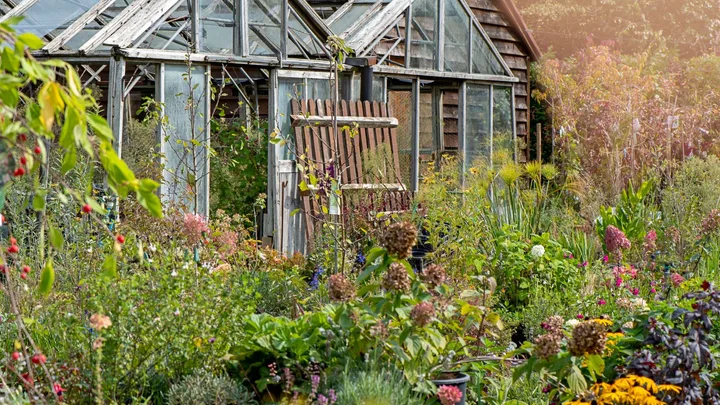
Just like certain plants look better together – whether styled in a vase or as part of a garden design – some plants actually help each other grow better when planted next to one another, and on the flip side, others can even hinder one another’s growth. Companion planting, also known as intercropping, is popular among green thumbs and touted as a sustainable gardening method because it lessens the need for pesticides, improves soil quality and encourages an overall more productive veggie, herb, or flower patch.
Beans like eggplants, tomatoes like basil, and anything from the cabbage family go well next to onions, lavender, and marigolds. But it’s not just vegetables and herbs that can benefit from thoughtful planting. Placing strawberries next to roses can help promote growth, while pairing them with garlic will help prevent pests.
What is companion planting?
Some plants help each other grow and thrive. They can do this for numerous different reasons.
- Larger plants can provide protection from the harsh elements to smaller plants.
- Some plants are good companions because their roots are different lengths and therefore don’t compete for nutrients or water.
- Lavender, rosemary, mint, and pelargonium are examples of plants that emit masking chemicals, which can confuse and deter insects.
- Plants such as wormwood, tansy, and pyrethrum daisy taste bitter or are toxic to pests and can be used as a natural pest deterrent.
- There are even plants that produce chemicals in their roots that act as a growth stimulant for the companion.
What vegetables are best planted next to each other?
- Sage with cabbage, cauliflower, broccoli, or rosemary
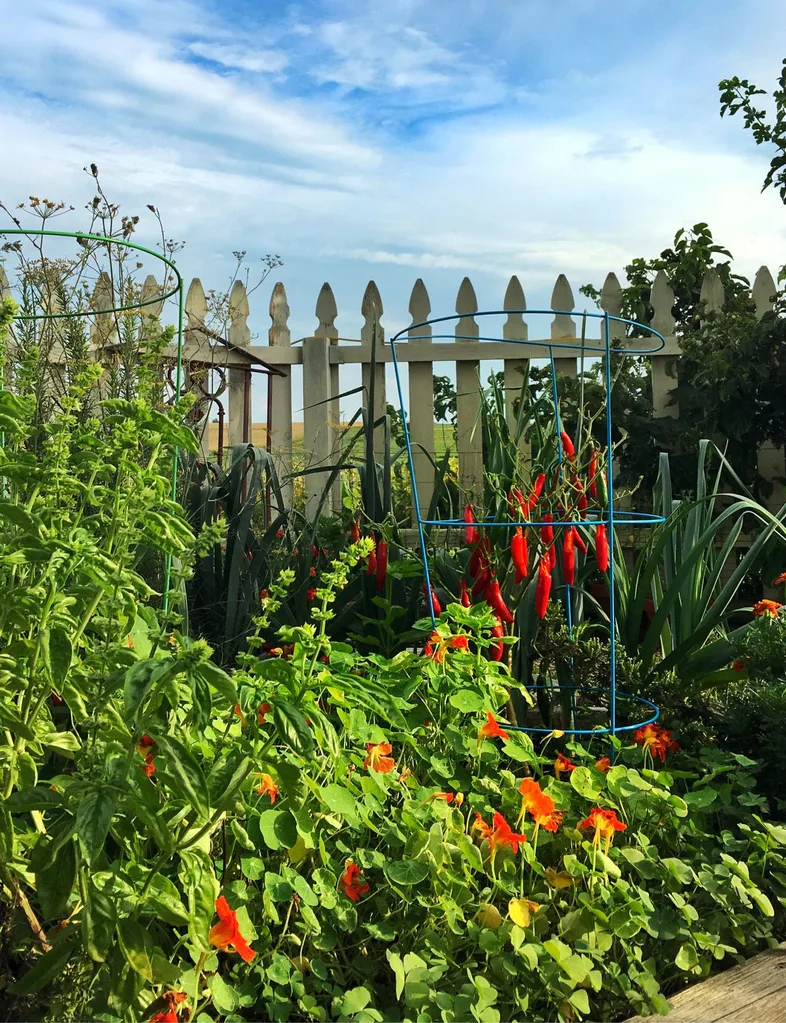
- Capsicum or chilli with tomatoes, onion, or carrots
- Eggplant with beans or spinach
- Lavender with avocado
- Beets with beans
- Cucumber with borage
- Beans with corn
- Peas with lettuce
- Garlic with roses (garlic is a great deterrent of aphids!)
- Nasturtium with kale, cabbage, zucchini, or broccoli
- Marigolds with numerous veggie varieties, including tomato
- Mint with cabbage or tomato
- Tomato with basil, asparagus, carrot, cauliflower, chives, dill, marjoram, mint, onion, or parsley
What vegetables should you not plant next to each other?
As a general rule of thumb, you should avoid planting vegetables, herbs or flowers that have a similar root system or are susceptible to similar pests and diseases next to one another. Examples of things you should not plant next to each other include:
- Carrots, beetroot and potatoes
- Tomatoes, potatoes or corn
- Asparagus and onions
- Beans and onions