

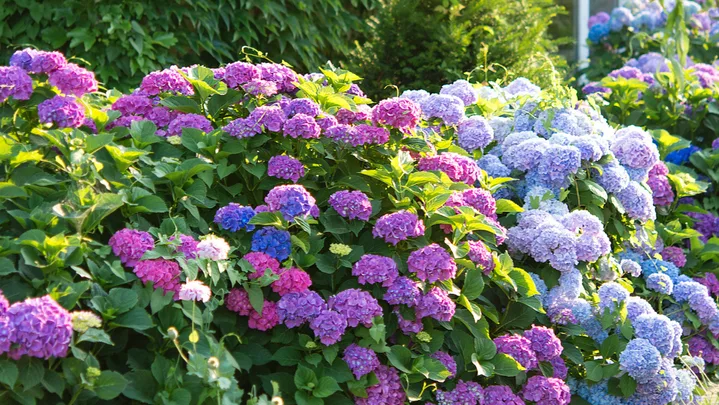
Nothing indicates summer quite like the sight of hydrangeas in bloom. If you want to learn about growing and caring for hydrangeas, you’re in the right place. This is our ultimate guide to growing and caring for these beautiful flowers.
Not only attractive, but hydrangeas’ wide array of colours makes them the perfect addition to any home’s exterior. From crisp whites to rich violets and striking blues, they are beloved for their easy-to-grow nature and the pop of colour they provide to any garden setting.
“Late summer is one of the best times to plant hydrangeas as you’ll be able to make the most of their colours while they are still in bloom,” says gardening expert Narelle Peart from Scotts Osmocote. “Hydrangeas are sometimes a little tricky to grow, but there are plenty of tips and tricks which, if followed correctly, will see your new hydrangeas thrive.”
Here, Narelle shares her top tips for hydrangea care.

Using the best soil
Like all plants, it’s important to start from the ground up. Investing in the right soil for your garden will ensure optimal growing conditions for your hydrangeas all year round.
“Before you plant hydrangeas in your garden, make sure you give your soil a little bit of love to ensure the right nutrients are available for the plants to thrive,” says Narelle.
“Whether you decide to create a new garden bed for your hydrangeas or just want to improve the current soil conditions, adding a garden soil that encourages stronger root development, keeping your plant healthy in its new environment,” she explains.
Changing the colour of hydrangeas
Hydrangeas come in a wide range of varietals, so selecting specific colours might seem like a challenging task. Luckily, it’s actually possible to change the colour of your hydrangea flowers yourself with a little clever gardening know-how.
“While white hydrangeas are usually quite stable in their colouring, the pink and blue varieties can be deepened simply by changing the pH of your soil,” explains Narelle.
“If a deeper pink is what you’re looking for, add garden lime to the soil to make it more alkaline so that the pH level is above 7,” she adds. “For a darker blue, you’ll want to add compost or coffee grounds to increase the acidity of the soil.”

When should you prune hydrangeas?
Pruning hydrangeas is vital. Knowing when is and isn’t the right time to prune can make a world of difference for your plant’s health.
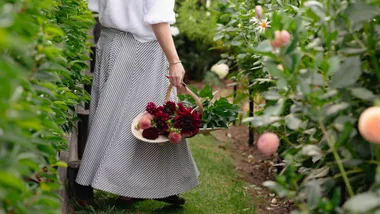
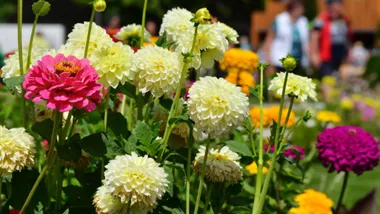
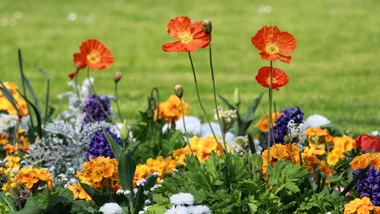
“In winter, prune hydrangeas to a pair of plump buds low down on stems, but remember not to cut back stems that have not yet flowered,” says Narelle. “As a bonus, these prunings can be propagated.”
Growing hydrangeas in pots
While hydrangeas prefer to live in a garden bed, they can also be grown quite happily in pots and containers. If you choose to grow your hydrangeas in pots, it’s important to ensure they receive the right care to help get the most out of your plant.
“For best results, position them in an area with some afternoon shade; make sure they are planted in a specialised potting mix to ensure it has enough nutrients to feed your plants for the months to come,” Narelle recommends.

How to propagate and grow hydrangeas from cuttings
The best time to take a hydrangea cutting is once the plant has finished blooming. This often occurs around late summer. To give your cutting the best chance of survival, wait until early morning or late evening when the weather is cooler. Make sure you select a stem that is healthy and disease- and pest-free.
To take a cutting, first find a six-inch green stem (not woody) that has several leaves attached. Using a pair of sharp pruning shears, make a clean cut just below a leaf node (the point where a leaf attaches to a stem). Then, remove any flowers or buds, as well as any leaves on the lower two-thirds of the stem.
Dip the bottom of the stem in a rooting hormone, and place it in a small pot with moist, well-draining soil. Cover the cutting with a plastic bag to create a humid environment and place it in bright but indirect light. After a few weeks, gently tug on the stem to see whether it has rooted. Once it has, remove the plastic and transplant the stem into a larger pot or into your garden.
How do you keep hydrangeas blooming?
Feeding your plants the right nutrients will ensure they remain healthy throughout the seasons ahead.
“Like any plant, it is important to feed your hydrangeas with a specialised fertiliser that will give them the nutrients they need for healthy and sustained growth,” says Narelle.
In New Zealand, it’s best to fertilise your hydrangeas in March and April, and again in August, September and October.
Related articles:
- 14 plants with show-stopping white flowers
- Gardening gifts for loved ones with a green thumb
- Bayley LuuTomes shares his eco-friendly gardening tips


Share this post