


How do you feel about the fact that every plastic body wash bottle you’ve ever emptied is still out there somewhere – and still will be when your great, great, great grandchildren inherit the Earth?
When the planet’s a dumpster fire, it’s hard to imagine that greening up your home is going to make an iota of difference. But it does – and minimising your footprint can have some surprisingly positive side effects, giving your place a more personal touch, and saving you money too.
Freedom Furniture managing director Zoe Hertelendi says decorating sustainably is about making choices that not only look good but do good too. “Interiors should reflect the values of the people living in them,” she says, “and that includes caring for our environment. Reducing waste, choosing quality and rethinking how we buy can make a real difference.”
Look at whether your shopping and decorating habits are aligned with your values. Do you really want a lookalike home stocked with a rotating roster of the newest fashion styles and colour, or would you rather create something unique and layered, made up of thoughtfully procured pieces that have personal meaning to you – and will do for years to come?
To live the change you want to see in the world, make “refuse, reduce, recycle” your daily mantra.
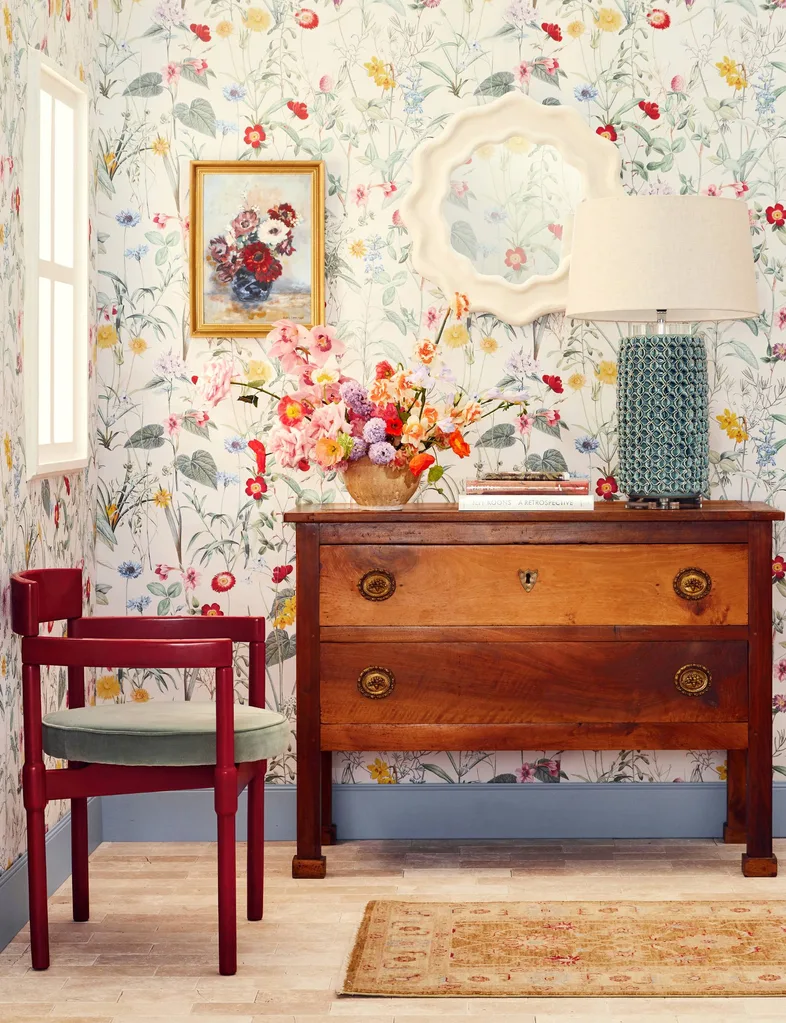
Buy less
1. Shop your garage
It’s the interiors equivalent of shopping your wardrobe and making the most of what you’ve got before you buy anything new. Have a hunt through the family heirlooms and abandoned treasure in your garage or spare room, or try playing swapsies with family and friends. Offer a six-month loan of that painting they’ve always coveted, in return for the use of one of theirs.
2. Avoid single-use anything
This goes for everything from bottled water to paper towels and cotton balls – use washable, reusable options instead. Make it your habit to say no to unnecessary packaging at the shops too – do you really need tissue paper and a fancy carry bag just to transport your new jumper home?
3. Go paperless to save the trees
Opt to have your bills and statements sent digitally rather than by post, ask retailers to email your receipts, and think twice before you print anything at all. The bonus here is you won’t end up with piles of paperwork that mess with your feng shui.
4. Gift thoughtfully
Give unto others as you would have them give unto you. Give a voucher for an experience, a gift you have crafted yourself, or a boutique treat that they can eat or drink. Scour op-shops for scarves that you can use as gift wrap.
5. Put your money where your heart is
To check that your investments align with your values, visit smartinvestor.sorted.org.nz to see which companies your KiwiSaver fund owns shares in. If you’re not happy with the list, visit mindfulmoney.nz, enter the concerns you don’t want to support (such as fossil fuels), and choose a provider or fund that will help your savings become a force for good.
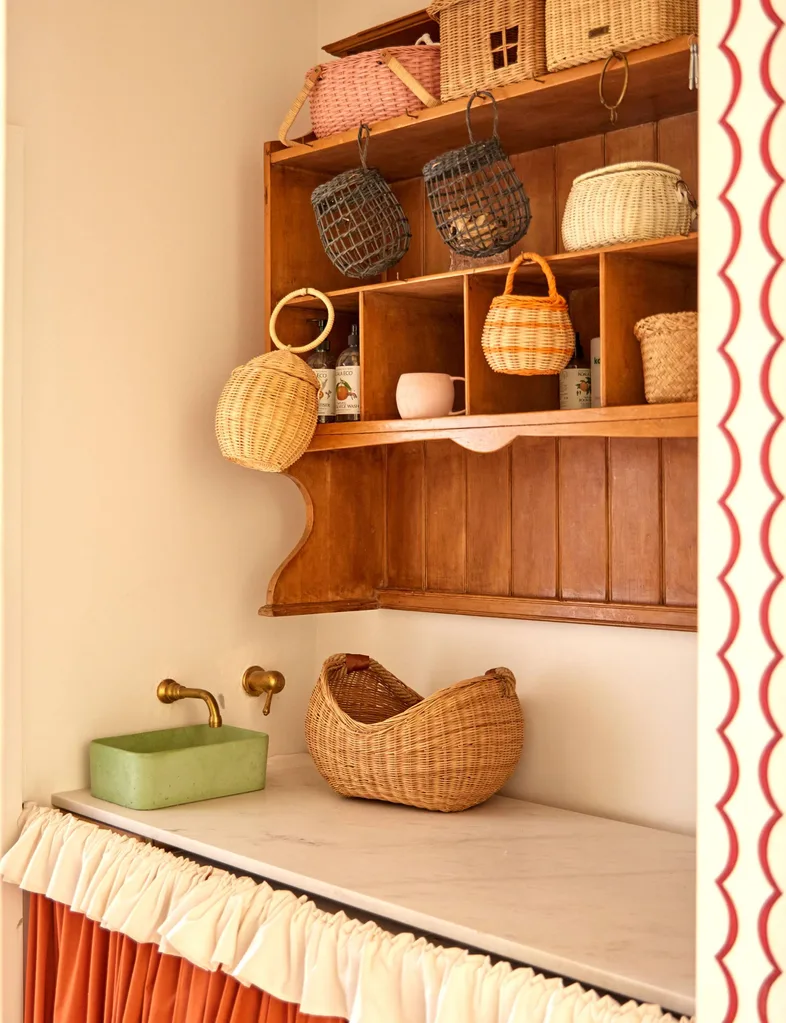
Responsible retail
6. Buy secondhand
If you do need something for your home, consider buying pre-loved or vintage items. Chances are you’ll end up with something quite unique and much more interesting than a new version.
7. Be a conscious consumer
Support local companies that are ethically producing quality products that will last, and responsible retailers who are taking genuine steps to reduce their environmental impact.
In a behind-the-scenes initiative, Freedom Furniture has built a two-way relationship with corporate resource recovery charity All Heart NZ, which sees Freedom donating damaged or returned furniture and homewares from their stores, and in return using All Heart’s repaired and refurbished furniture and equipment in their back-of-house spaces. “It’s a brilliant example of how we can reduce waste and bring life back to beautiful, functional pieces that would normally end up in a landfill,” says Zoe.
8. Renovate right
When redecorating, opt for products with eco-friendly formulas and a circular life cycle. Resene has been systematically removing chemical nasties from its paints for decades, and now also offers a paint recovery service that allows you to return leftover paint and empty paint containers for recycling and safe disposal. The leftover paint gets donated to charities and community groups, or you can support the programme by buying a pail yourself at selected Mitre 10 stores (look for the RE:Paint label).
War on plastic
9. Avoid microplastics
You can’t see these tiny particles, but they’re everywhere in our homes, our oceans and even our lungs. They’re not just bad for the environment, but evidence is growing that they’re bad for us too.
Choose metal or glass containers for food storage whenever you can, and especially don’t heat or microwave food in plastic containers. Use metal or glass water bottles instead of plastic, and avoid non-stick pans – go for a good solid cast-iron pan instead, and season it with oil to develop a natural non-stick surface.
10. Bin the liners
Stop buying plastic bags for around the house. If you’re composting your food scraps or using your council collection service (an absolute no-brainer when it comes to environmental impact), you’ll probably find you don’t need a bin liner any more. Or you’ll find that paper supermarket bags are the perfect size to line most kitchen bins.
11. Choose natural materials
Do what you can to minimise bringing microplastics and chemicals into the world by choosing natural materials over synthetics – think wool carpet, leather sofas and latex mattresses.
“Just recently, Freedom has launched our first 100 per cent natural latex mattress, made with sustainability, durability and comfort in mind,” says Zoe. “Its sustainable design avoids synthetic materials and minimises environmental impact, making it a conscious choice for healthier homes and a healthier planet.”
Green clean
12. Encourage bees into your garden
Plant nectar-bearing flowers such as marigolds or sunflowers to attract them. As we know, bees are vital for their pollinating abilities, which encourages biodiversity.
13. Make your own cleaning products
It’s amazing what ingredients like vinegar, baking soda, and essential oils can do. If your grandma had had the ingredients in her kitchen cupboard, that’s a good start.
14. Reuse old towels
Instead of buying new microfibre cloths and sponges, tear up old cotton sheets, pillowcases and towels to use as cleaning rags. Solo socks make great cleaning gloves too.
15. Don’t buy minis for travel
Instead, buy household essentials in large refill containers and decant them into smaller ones, which is better for the planet and your wallet. When you’re travelling, buy small bottles once and decant from your refill containers into these.
16. Change your toilet paper
Choose a brand of toilet paper that’s not made from virgin wood pulp. Fast-growing bamboo and sugar cane by-products are more sustainable options.
17. Create clean air
Embrace the trend for biophilic design by incorporating more plants into your home as they’ll help filter the air. Mother-in-law’s tongue gives off oxygen at night, so it makes sense to put it in the bedroom, and plants such as peace lilies and Boston ferns love rooms with high humidity. They can also reduce mould spores and look wonderful too.
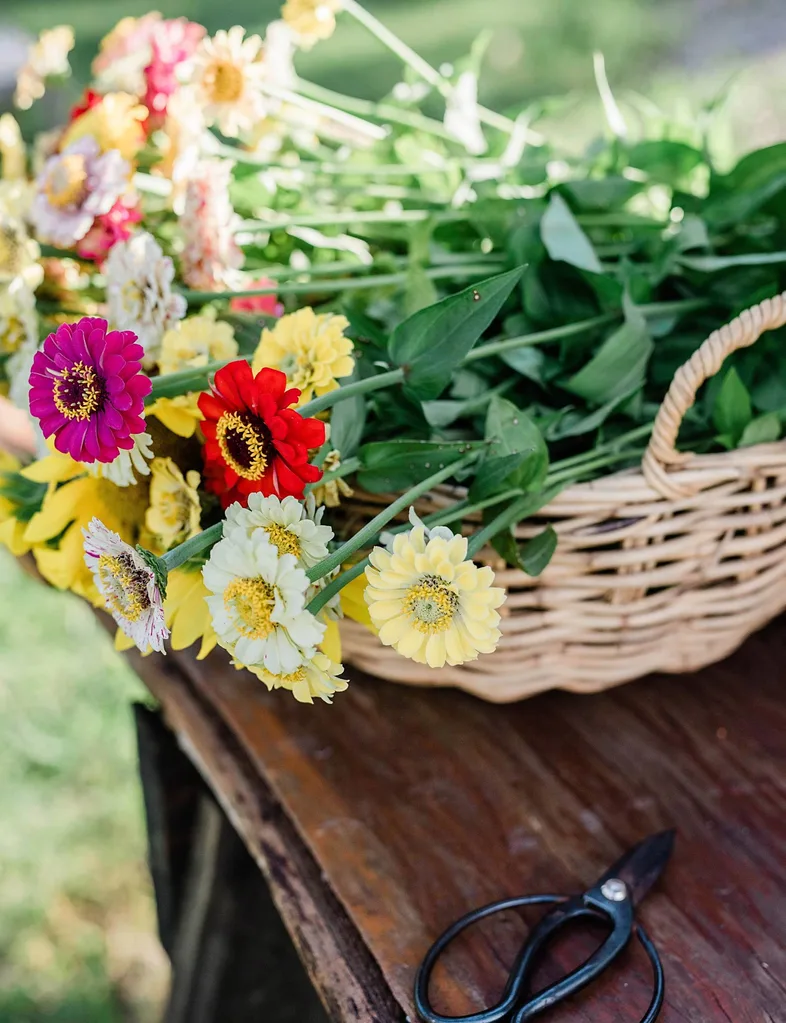
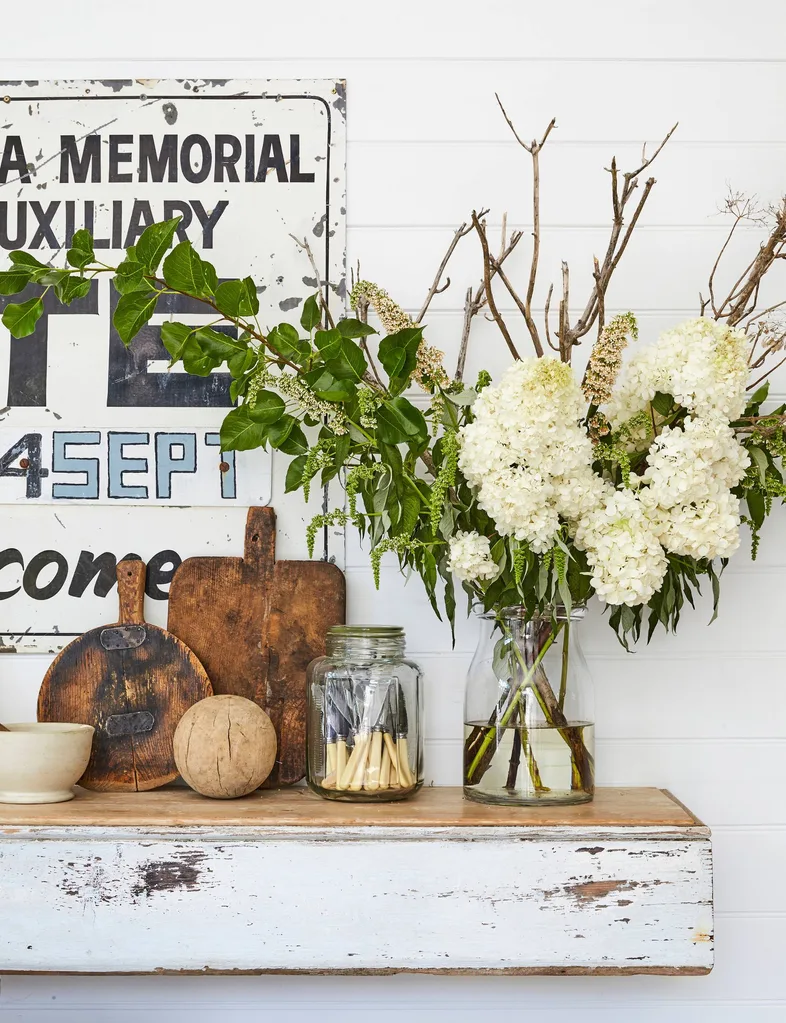
18. Buy local flowers
Even better, grow your own. New Zealand imported 30 tonnes of roses for Valentine’s Day in February 2024, just through Auckland Airport, so try giving home-grown posies.
Save your energy
19. Seal in heat
Boosting the insulation in your home’s floors, ceilings and walls will help save energy and reduce the amount you spend on heating and cooling. Other ways to deal with draughts include double-glazing your windows, installing draft-excluding tape around door and window frames, and hanging thick curtains. Close the curtains at dusk to keep the heat inside, and try putting on slippers and a jumper before you turn on the heater. Paint your roof white or use the Resene CoolColour range to deflect sunlight and help cool the planet.
20. Invest in the future
Some banks are offering “green home loans” with a one percent interest rate, to help homeowners fund purchases that increase the energy efficiency of their home. It’s a great opportunity to invest in upgrades that will reduce your energy bill and save you money in the long run – such as making the swap from gas to a sustainable energy source, such as solar power.
21. Be water-wise
Reduce water usage where you can. Install a water-efficient shower head and toilet cistern, and fix dripping taps. Wait until you have a full load before you run the washing machine, and use a cold water cycle when you can. And remember, garments such as jeans don’t need washing every time you wear them, and will last much longer if you just give them a quick spot wash.
22. Choose efficient appliances, and use them efficiently
Look for the energy rating sticker – the more stars, the more energy-efficient it is. There’s a similar rating system for water use, too. Use a small air fryer oven for small jobs, rather than a big oven; replace expired light bulbs with new energy-efficient ones, and hang your clothes on the line to dry.
End of life
23. Recycle what you can
Put paper, cardboard, cans, glass, and plastics marked 1, 2 and 5 in your kerbside collection. Drop your plastic bags at your local supermarket (see recycling.kiwi.nz for locations), visit e-cycle.co.nz for advice on recycling electronic waste, and check whether your local Mitre 10 collects polystyrene, light bulbs and batteries.
24. Fix it first
Don’t give up on broken or malfunctioning appliances and tools too fast. Learn how to repair it (YouTube videos are a great source of wisdom) or take it along to a local Repair Cafe event for expert help.
25. Donate, don’t dump
Give unwanted household items a second chance at life by donating them to a local charity. Op-shops are happy to accept most things, or find a charity geared to the specific item – for example, your local SPCA will probably be happy to receive old towels.
Step in the right direction

Having spent 15 years working in the global consumer goods industry, Nicola Turner says she learnt far too much about how we all behave in the supermarket. She switched gears when she found she wanted to live more simply and sustainably. Her mission now is to rethink consumption and make sustainability easy and normal.
She founded Mainstream Green as a social enterprise to inspire change in organisations, communities and individuals. She’s written a book and is an in-demand speaker on how to embrace sustainability in practical and doable ways.
Here are five of Nicola’s ideas (to add to our 25) to set you on the course with very little effort.
26. The power of pause
Before rushing to buy something new, take a moment and ask, “Do I really need this?” That tiny pause gives you space to make a conscious choice instead of defaulting to shopping on autopilot – maybe you can make do, repair what you have, or just realise you didn’t really need it after all.
27. Eat me first
Designate a shelf or container in your fridge as the “eat me first” zone for food that’s nearing its use-by date. Make it eye-level and add a big label so you can’t miss it. It’s a simple way to rescue those sad veggies, mystery leftovers and forgotten fruit before it’s too late. Less waste, more meals.
28. It’s nice to share
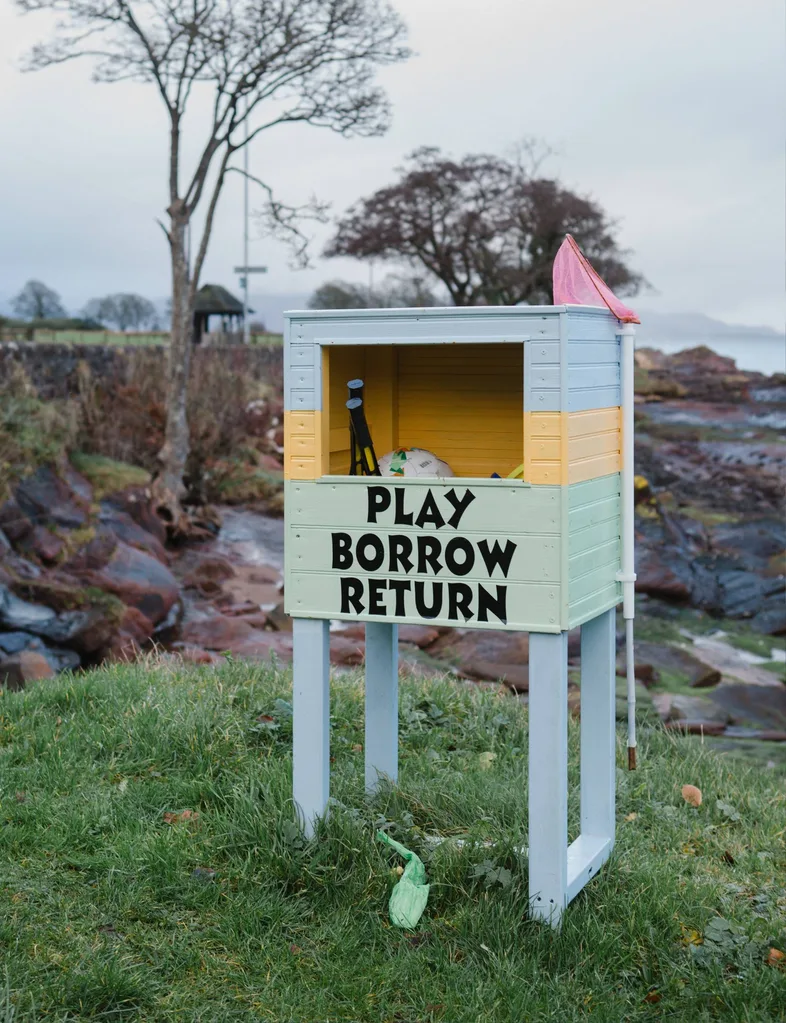
Before buying something you’ll hardly use, try borrowing first. Check out tool or toy libraries, explore local sharing groups, or just ask friends and neighbours. Why own a ladder you’ll use twice a year? Or maybe you can lend that breadmaker that you rarely use. Sharing saves money, clutter, and impact, and brings people together.
29. Skip the bottle
Spoiler alert – lots of household products, such as shampoo and cleaning sprays, are mostly water. Switching to bars or tablets is a really easy way to cut down on packaging waste and unnecessary transport emissions. Think shampoo bars, solid conditioner, and even toothpaste tabs. Bonus points if you go for locally made and low-tox ingredients too.
30. Create a tiny wilderness
Let part of your garden go a bit rogue. Skip mowing a patch of lawn, let garden-friendly flowers such as borage self-seed in your vegetable beds, or leave a pile of fallen branches in a corner. No garden? Try potted native plants on your balcony. These mini wild spaces create a haven for bees, butterflies and beneficial bugs.

Related stories

Native ad body.

Native ad body.


Native ad body.

The case for year-round outdoor living


Share this post