
 Photography: Helen Bankers
When planning a home renovation or new build, many of us spend hours debating shades of white paint or the perfect benchtop. Yet what happens outside often gets overlooked. Choosing exterior cladding is a key decision that shapes how your home looks, feels, and lasts.
Style, colour, and texture are just the start. You’ll also need to weigh up cost, insulation performance, sustainability, and durability. Begin by considering the era of your home. Do you want to preserve its original character or modernise it with a fresh, contemporary look? Then research which materials best suit your style and offer the latest in performance.
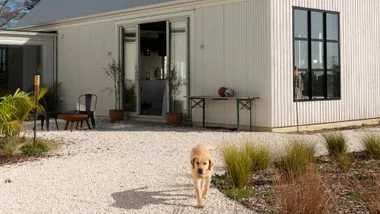
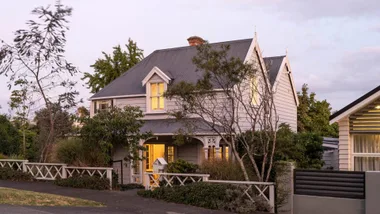
There are five main types of cladding used in New Zealand: brick, metal, plaster and concrete, timber, and stone. Each requires different levels of maintenance over time. Timber is especially popular here, seen on villas, bungalows, and many modern homes. Weatherboards come in a range of profiles, offering flexibility and charm. In Central Otago, stone cladding — particularly schist — is a favourite. It’s locally sourced and perfectly suited to the region’s rugged landscape.
The five trusted types of cladding to use in New Zealand
1. Brick cladding
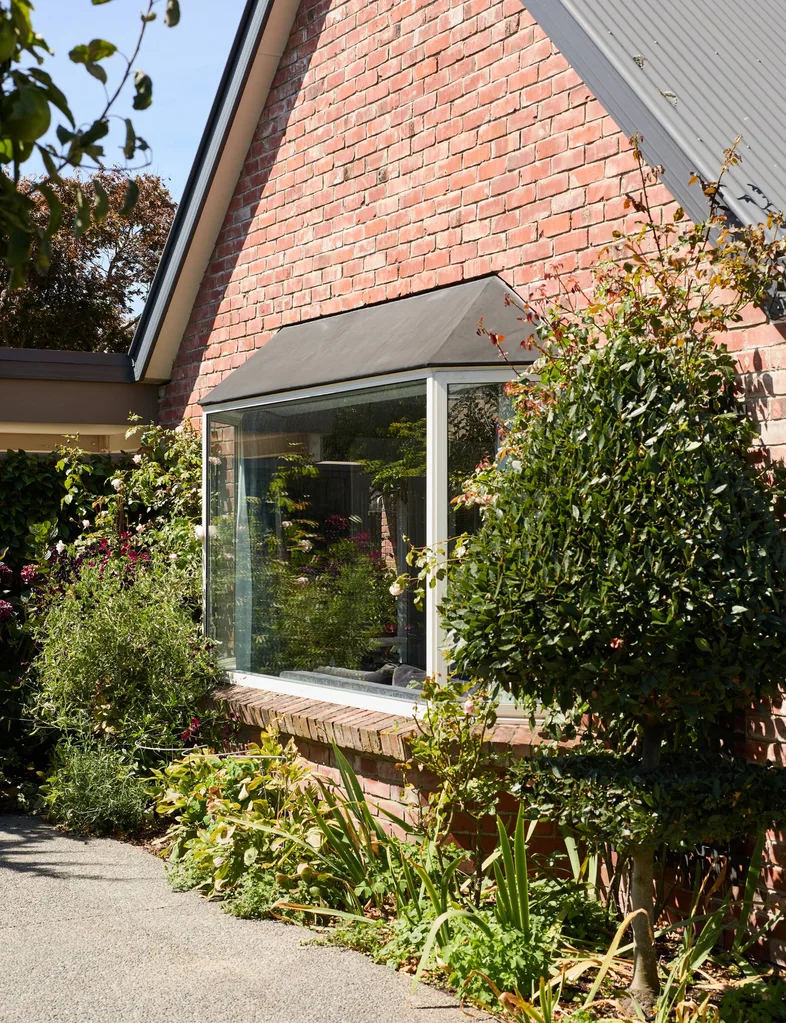
You can’t go wrong with brick. Used to build and clad homes for centuries, it’s still one of the most reliable materials out there due to its durability, insulating properties, fire resistance and low rate of moisture absorption. It also ages beautifully and is available in a wide range of earthy colours. There are lots of options available so make sure you shop around.
Beautiful examples of brick cladding:
- An epic mother-daughter team totally transform a 70s brick home
- How this homeowner transformed her dated brick unit on a budget
Brick veneers are another possibility if you love the look of brick but can’t afford the time or money it takes to clad an entire home.
2. Plaster and concrete cladding
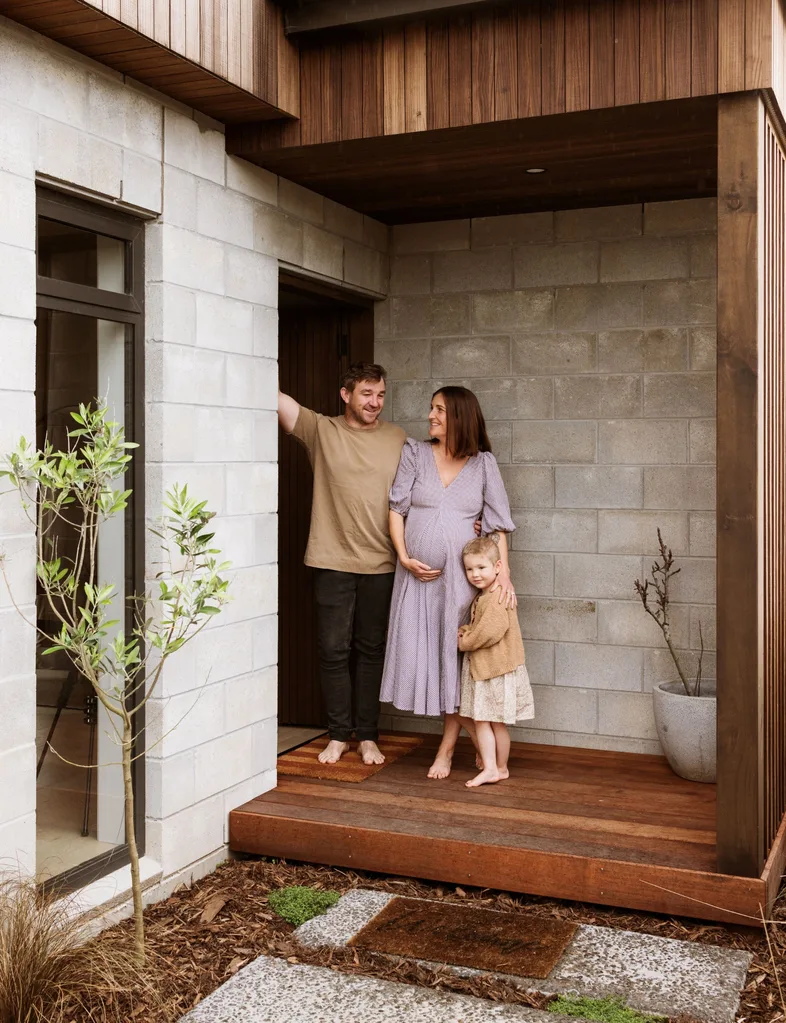
The ancient Romans and Greeks pioneered plaster and concrete finishes, but today we most often associate them with homes from the 1930s and 1940s.
Modern finishes capture the same timeless look while offering improved performance, especially when applied to the right surface. You can now choose from a wide range of plaster-finished panels — from smooth to highly textured or patterned — and they pair beautifully with other types of cladding.
3. Metal cladding
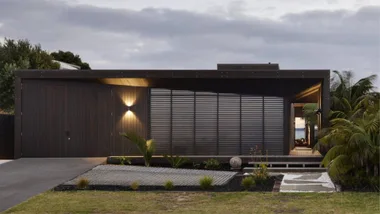
Builders most often use aluminium and steel for metal cladding. Steel costs more but offers greater durability, while aluminium is more affordable yet prone to damage in harsh weather.
Metal cladding delivers a striking look, and exposure to the elements can create interesting surface effects over time. However, it doesn’t provide strong insulation. If you love the aesthetic, explore ways to boost your home’s protection from temperature changes.
4. Timber cladding
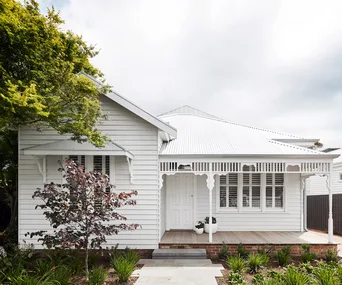
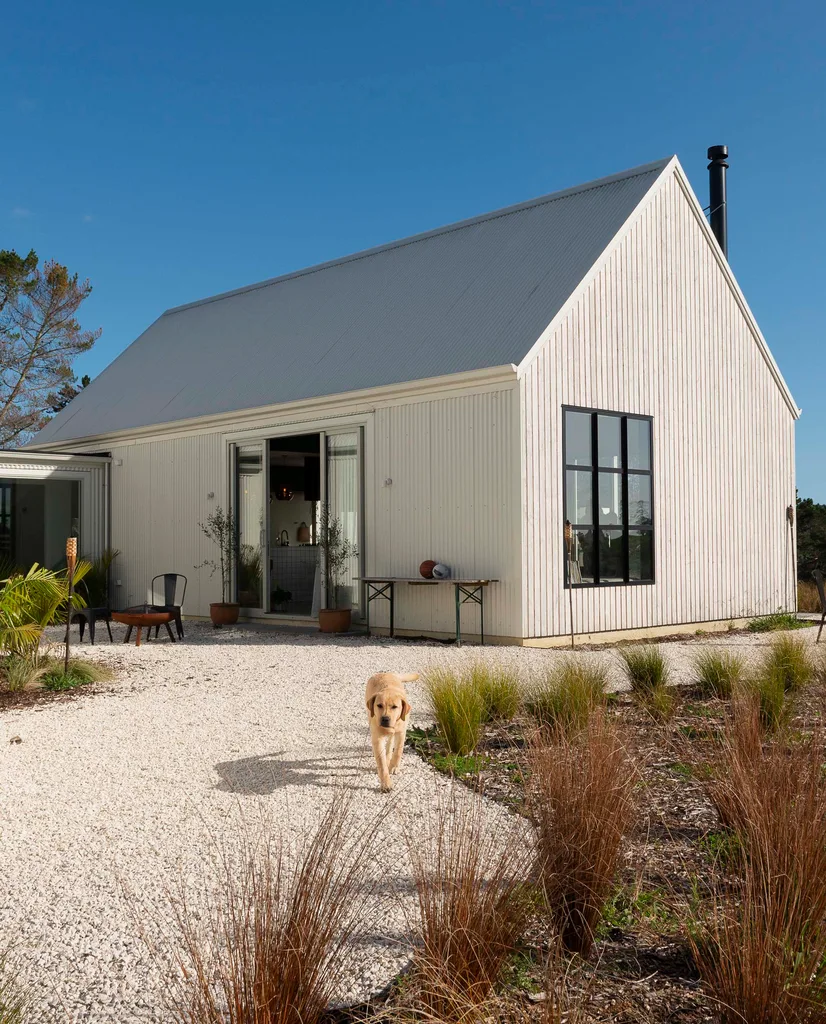
Lightweight, beautiful and on-trend, timber is the cladding of choice for many Kiwi home-builders. The wide range of timber, cladding styles (such as weatherboards or slat screens) and finishes offers heaps of attractive options.
However, timber degrades quickly and will require maintenance and, sooner than some other cladding types, eventual replacement. Timber can also warp and move, a quirk that needs to be worked into your design.
- James Hardie products combine the look of timber with new technology to create more durable finishes. Axon Panel looks like a vertical shiplap weatherboard, whereas Linea resembles villa-style weatherboards.
- Shadowclad plywood panels are a popular product that offers the natural beauty of wood in a variety of finishes (see page 68 for an example of how Shadowclad can modernise an old building).
- Abodo is an innovative New Zealand brand working with sustainable sources of wood cladding to create effects such as charred and silvered wood. We asked Daniel Gudsell, marketing director for Abodo, about the future of timber cladding. “For us, the future is more natural-look, low-maintenance timber cladding from sustainable sources,” he says. “New Zealand imports around 25,000 cubic metres of old-growth cedar from Canada every year. Our focus is to offer an alternative to these irreplaceable trees using New Zealand plantation forestry.”
5. Stone cladding
Schist, granite and slate are just a few of the popular, locally sourced stone types used as cladding on Kiwi homes.
Stones or stone panels are often used to create a focal point for house exteriors and work well with other cladding types.
This material looks particularly beautiful in rural or natural settings where the stone blends harmoniously with the landscape and creates a timeless look.
- Stutex Stone veneer products range from rustic river rock and mountain stones to more refined brick and cobble looks.
- Cluden Stone Quarry specialises in Wanaka schist, a material that is sought after for its beauty and longevity.



Related stories
Native ad body.
Native ad body.
Native ad body.