

 Photography Ben Parry/Untitled Studio
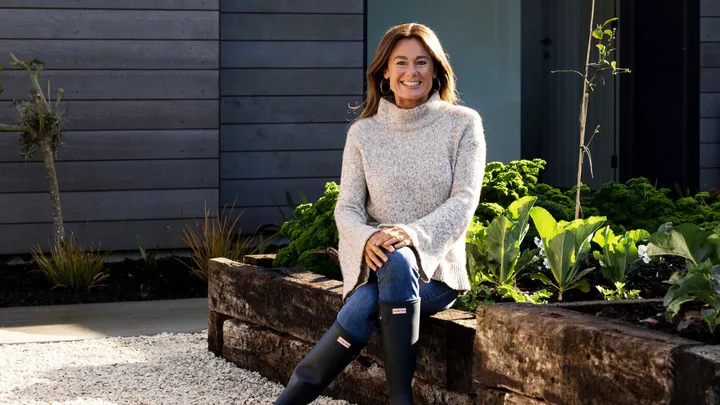
When it comes to growing edibles, you’d expect a renowned nutritional biochemist to have specific ideas about which fruit and vegetables you should plant. But Dr Libby Weaver’s message is simple: “Grow what you love to eat.”
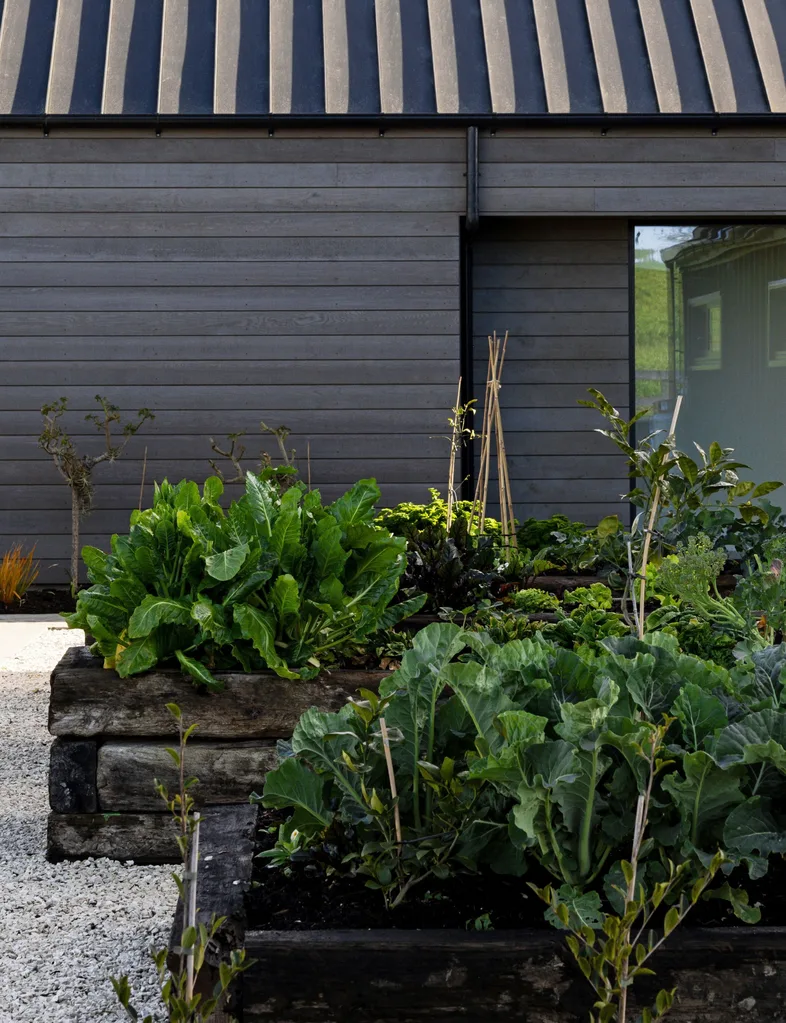
The keen gardener is a strong believer in “food first” when it comes to nutrition. She packs as many of her favourite leafy greens and herbs as she can into her own 60sqm plot. Here she grows crops in raised beds made from old railway sleepers and untreated timber.
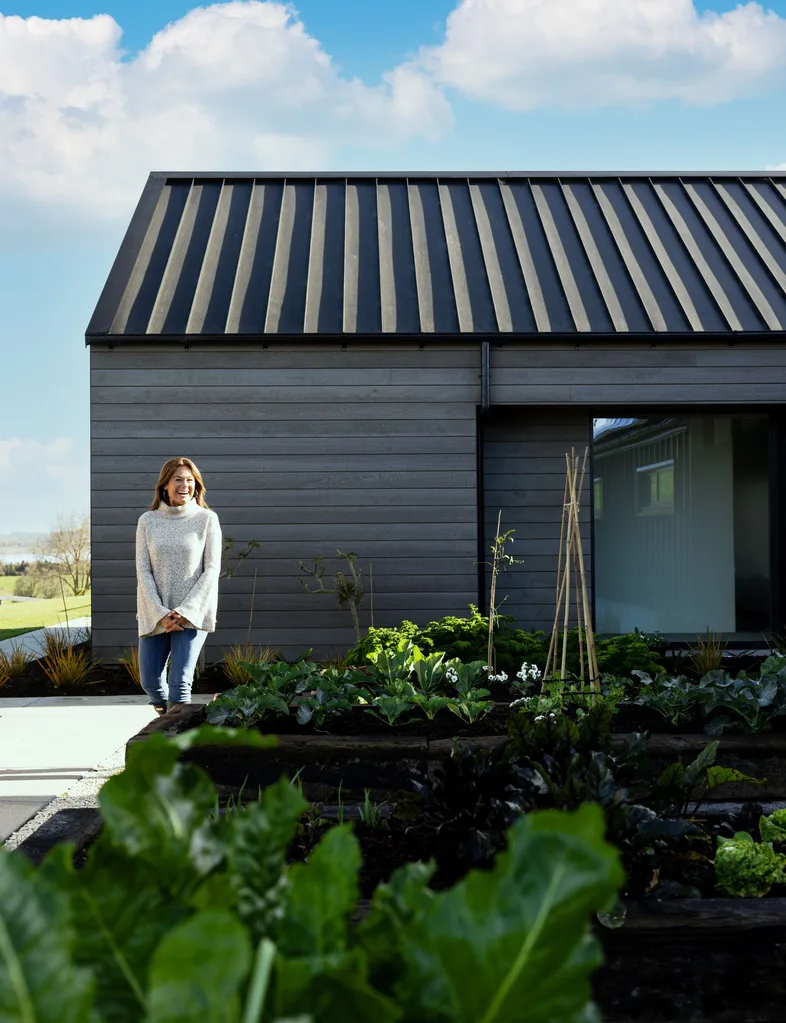
For Libby, the key to growing healthy vegetables is starting with good soil. She fills her raised beds with an organic mushroom compost.
“It’s excellent for helping the soil retain water, adds back a host of nutrients (so the food that grows in this will take up those nutrients). Plus it helps break up otherwise dense soil so the roots can embed better.”
Libby says that the flavour profile is also better when food is homegrown.
“The potatoes I grew late last year were the most delicious I’d ever tasted – so naturally creamy. The kale tastes much better than store-bought kale.”
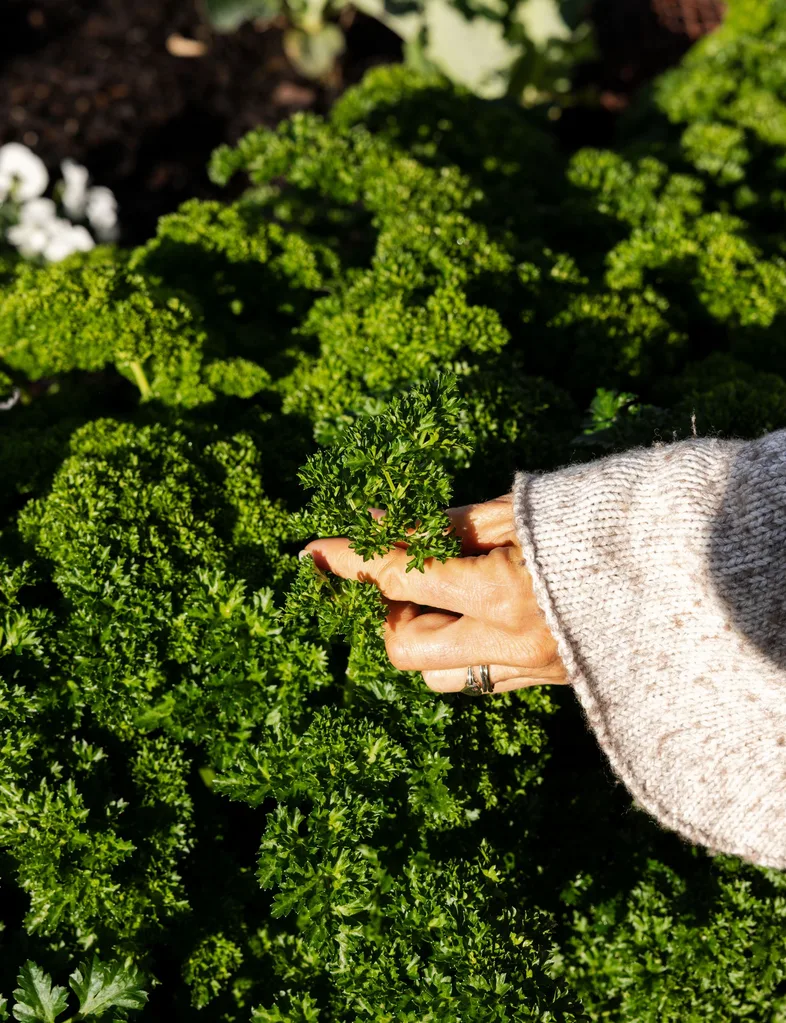
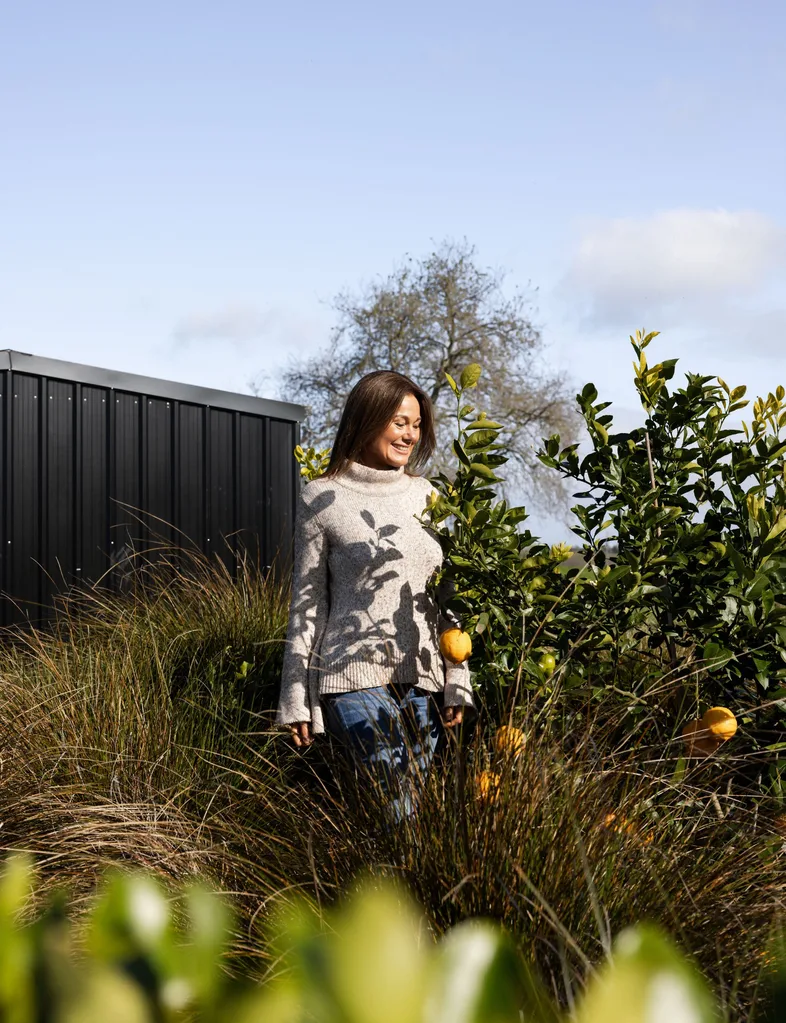
She harvests from her garden throughout the day, starting with juice from her Meyer lemons (“my favourite flavour”) before breakfast. For lunch, rocket is picked for an open sandwich for a bitter taste hit (“bitterness is good for bile production and liver health”). Bok choy is steamed or stir-fried for dinner; and kale is briefly roasted so it has a slightly crunchy texture.
For Libby, who is based in Australia, one of the main benefits of homegrown is the freshness factor.
“Some nutrients diminish the longer a food is from picking. So if you can’t grow your own (although even the smallest apartment balcony can hold pots to grow herbs), buying what you can from local farmers’ markets is a great way to go because the vegetables have usually been picked only the day before.”

The best-selling author has explored the connection between food and health in many of her books. Her most recent offering, Fix Iron First: The one thing that changes everything examines iron deficiency.
“It’s the most common nutrient deficiency in the world and too many people live knowingly or unknowingly with it. It causes major health issues in children and adults, both today and long term.”
Rather than treating low iron with synthetic supplements, which frequently cause constipation, Libby launched Bio Blends in 2016, a range of natural supplements made from real food and herbal medicines. Her newest product, Iconic Iron, uses iron sourced from organic peas.
“It also contains nutrient co-factors needed for healthy iron metabolism (so iron can be well utilised once it is inside you), and these are also made from foods.”
Gardening also provides Libby with important downtime. “I often pop outside during the day for a brief break from working at my laptop and look at my garden. It makes me smile and a deeper calm sets in. I love to water it each evening as the light changes and the sun starts to set.”
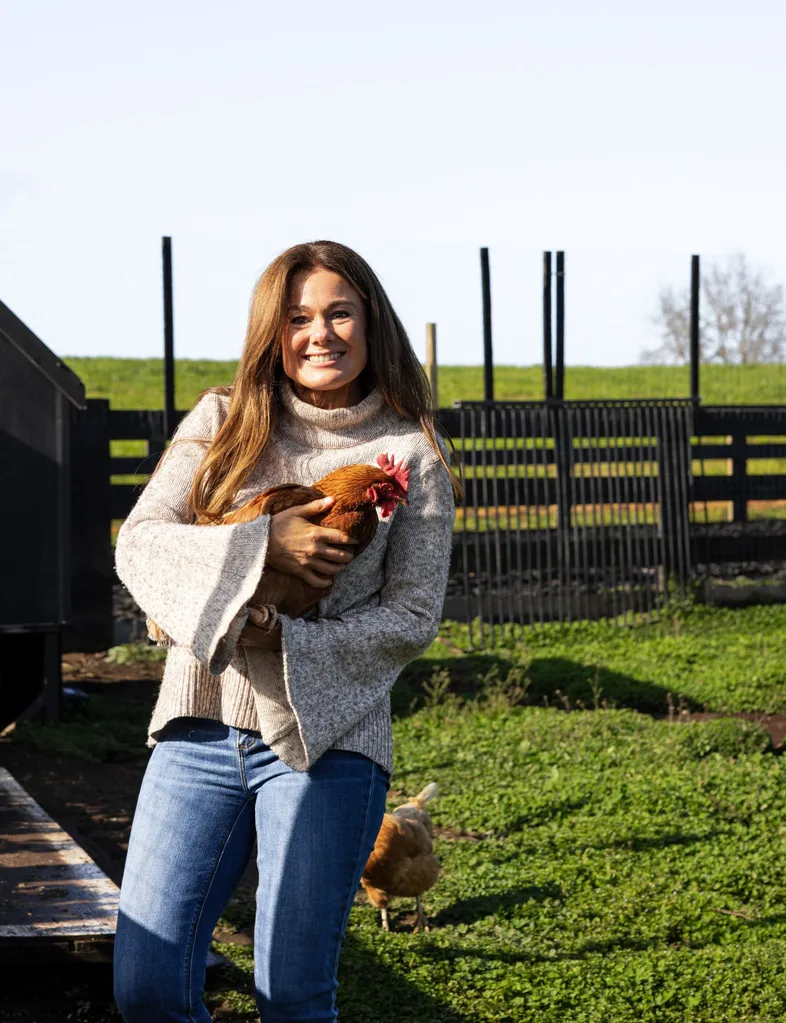
She shares her garden with Moira, Alexis and Stevie, a happy band of hens, named after the three female characters in the TV show Schitt’s Creek, whose antics she enjoys observing.
“I didn’t know where they were one day and found them all in one bed together, having a dirt bath in the sun. It looked hilarious, them all in there together.”
The girls also help out with pest control in the spray-free garden. They are the happy recipients of any munching marauders, such as crickets, which Libby picks off by hand. “As an organic farmer I once knew liked to say, ‘It keeps them in the food chain’.”
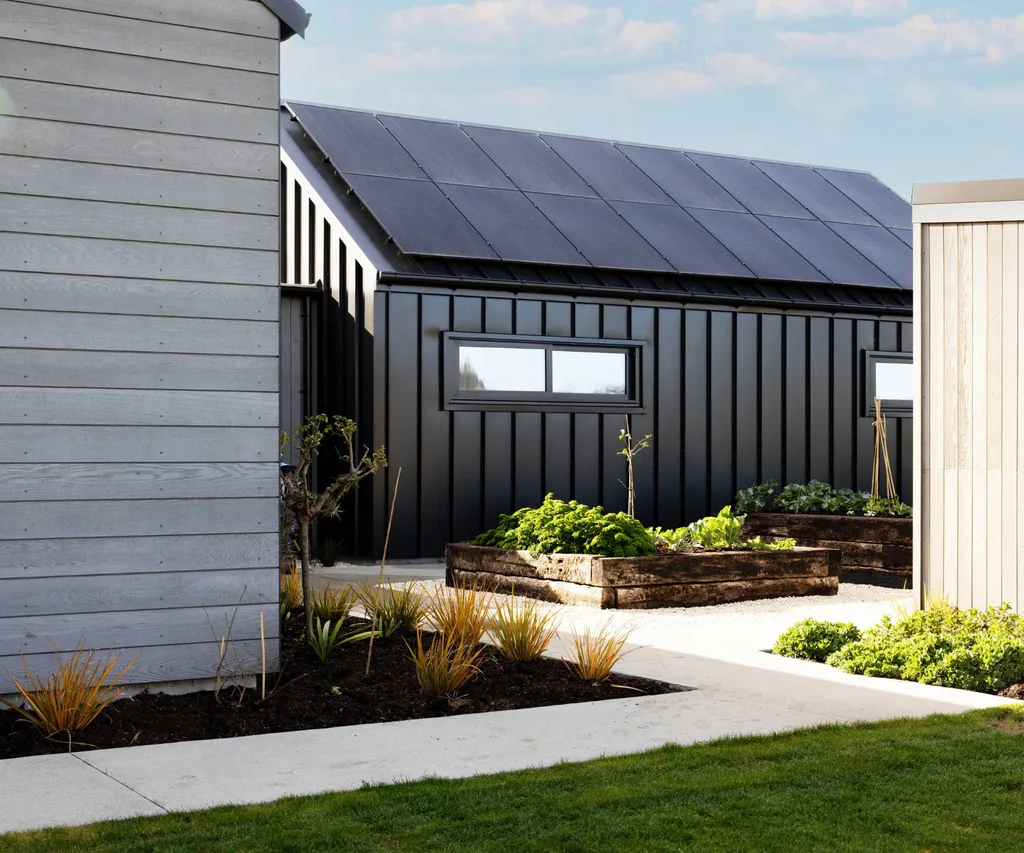
Beyond nourishing ourselves with good kai, Libby is a huge advocate of the physical and mental benefits gardening brings.
“You’re carrying 20kg bags of mulch or compost. A loaded wheelbarrow weighs a decent amount, too. I feel very satisfied at the end of a Saturday when I’ve shifted rocks myself. You feel like you’ve had a workout after a day in the garden – lifting, carrying, walking, squatting, stepping over things. While I do this, I’m observing what’s around. All sorts of birds come and hang out. I might solve something inside my head that I’ve been concerned about. Gardening heightens my gratitude.”
Related articles:
- How to start a cut flower garden in Aotearoa
- 14 of the best climbing plants for every garden
- Madeleine Lambert of Petal & Twine shares her dahlia growing tips

