

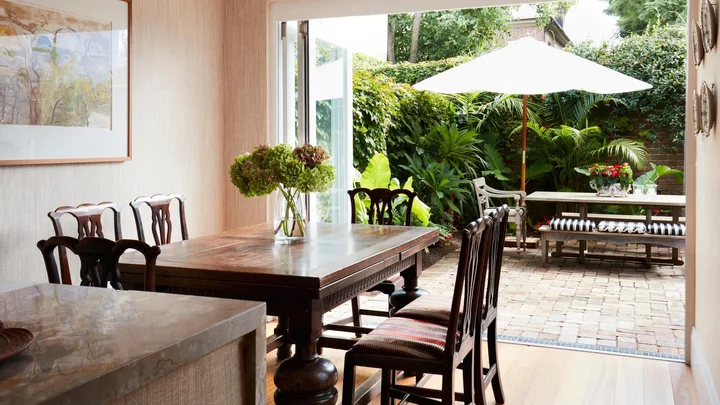
 Photography: Prue Ruscoe
The vintage juggernaut has momentum for a reason. It has always been utterly cool and likely always will be – there is nothing quite like the theatre of a good find. Someone recounts unearthing a chair from a regional auction, a sideboard salvaged from a grandmother’s garage, or a table pulled from a kerbside clean-up and restored to its former glory. Rightfully so, it deserves to be flaunted. However, often then comes the line that lands with equal parts pride and provocation: it’s vintage. To most people’s dismay, it’s a phrase that signals scarcity, provenance and, crucially, that this is not something you can simply add to cart.
Yet in a design landscape where “antique” and “vintage” are often used interchangeably – and, honestly, sometimes lazily – the distinction matters more than ever. According to dealers and designers alike, understanding where one ends and the other begins is not about semantics but about value, context and longevity. In a bout of curiosity, we turned to lauded experts Bronte Taton of Cleo Collects and Jeremy Bowker of The Vault to talk all things vintage – and antique.
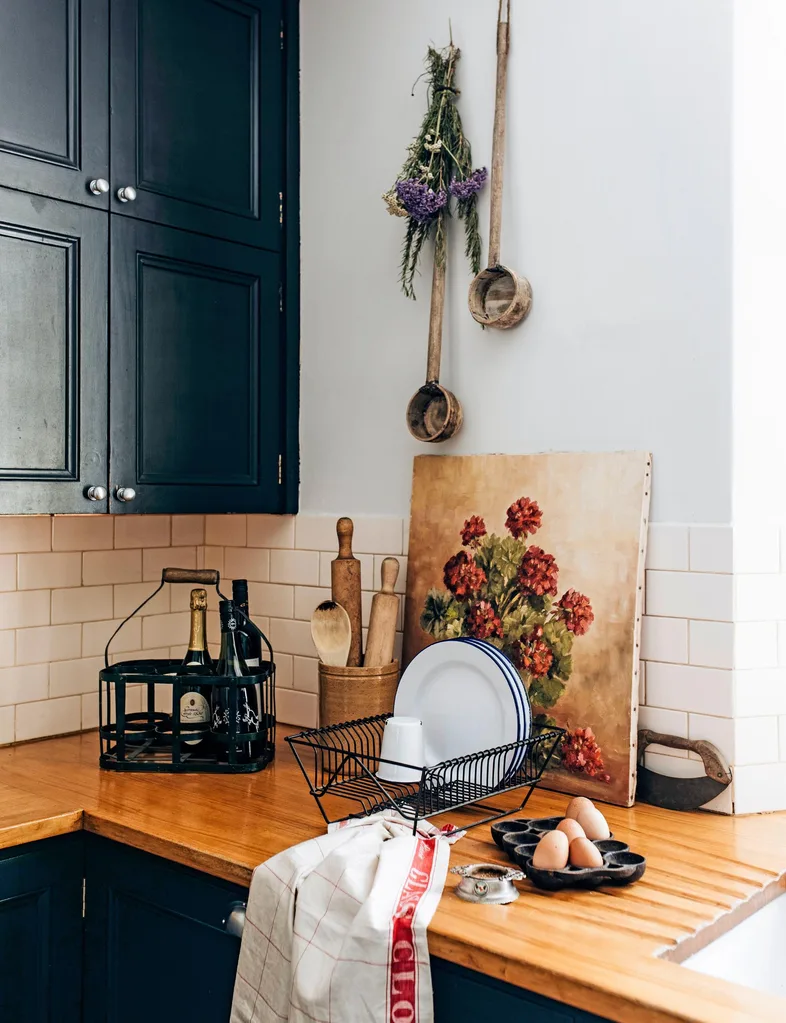
What does vintage actually mean?
Vintage has perhaps been confused within the last few years, with people grasping at straws – applying the term to anything with even a remote hint of degeneration. However, “generally speaking, vintage refers to objects and furniture that sit somewhere between 20 and 100 years old. They’re old enough to belong to a distinct design moment, but not quite old enough to be classified as antique,” says Bronte Taton.
“In practice, however, vintage is less about a rigid date range and more about design intent and context. At Cleo Collects, we think of vintage as objects that clearly reflect the thinking of their time. A 1960s brutalist coffee table, for example, tells a story about post-war rebuilding, material scarcity, and a return to intentional, functional design,” shares Taton. “These pieces weren’t made to be precious in the way many Art Deco or early 20th-century objects were; they were made to be used. That practicality is likely why so many of them have survived.”
Notably, vintage has become shorthand for choosing furnishings and fixtures with character, rather than opting for perfection. There is herculean beauty in reaching for wear, patina and small irregularities. They are a testament to an object’s pre-dating life and are more than willing to keep going. As Taton explains, “Many of the pieces we source, from French mid-century seating to Italian lighting, were produced in small workshops or limited runs, often by makers whose names weren’t widely known at the time, but whose work still feels relevant today. There’s a clarity and restraint to these objects that modern manufacturing sometimes forgets.”
How does vintage differ from antique?
As for antique, they are ” technically defined as objects over one hundred years old, a category that now includes early Art Deco furniture, despite such pieces often feeling culturally modern. Beyond age, antiques are valued for the quality of their craftsmanship, materials, and patina,” adds Jeremy Bowker. “I think antiques, unfortunately to some, are defined by poor-quality reproductions or grandma’s formal room full of brown furniture not to be touched and thus conservatism. By contrast, vintage design has experienced a cultural renaissance. Made for modern living, vintage pieces are typically more compact, adaptable, and aligned with contemporary lifestyles.”
“Culturally, the difference is less about dates and more about how we live with these objects. They’re collected with an awareness of provenance and lineage. History first, function second. A 19th-century French farmhouse table or a sculptural confit pot carries the weight of time; its age and provenance are felt immediately,” Taton adds. In contrast to vintage, which acts as a “conversational entry point into design history. It allows people to engage with the past without formality or the need to understand specific eras or movements. It feels human and approachable.”
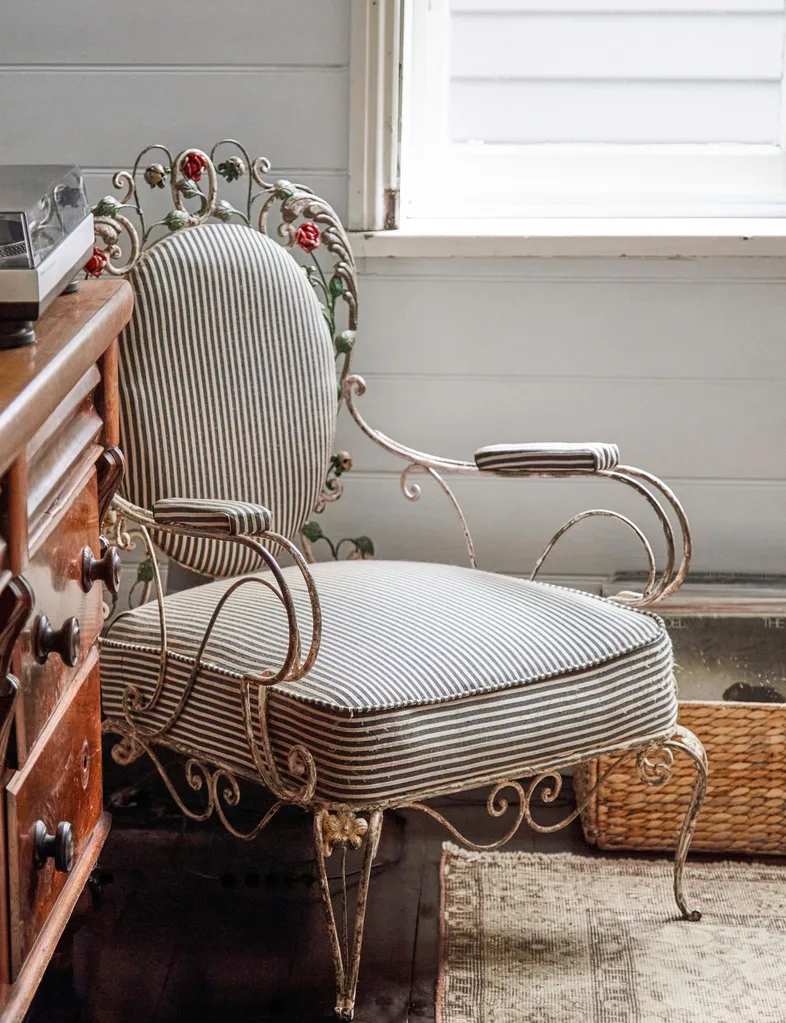
What are some examples of vintage and antique design?
Set against the ornament and optimism of Art Deco, post-war vintage design is characterised by restraint. Where Deco celebrated craftsmanship as spectacle, furniture from post-war France, Belgium and Italy – periods Cleo Collects notably revisits often – prioritised solidity, tactility and function. Designers such as Guillerme et Chambron and Audoux-Minet conceived oak chairs, rattan accents and weighty storage pieces where material came to the fore and durability was valued – qualities perhaps shaped by the realities of rebuilding.
By the 1970s and 80s, the rise of plastics and new technologies vacillated, once again veering towards modularity, neon palettes and mass production, a testament to the changing attitudes to living and consumption. “What I believe these movements ultimately show is that design is almost always a response. The most lasting pieces weren’t trying to be timeless; they were simply honest representations of their moment and environment,” concludes Taton.

